Henry David Thoreau is usually filed under nature writing and gentle simplicity, but the real Thoreau is a sharper figure, a naturalist, a tax resister, and a moral provocateur whose ideas reached Gandhi and King. Reading in order helps because Thoreau wrote in fragments and moods, and a biography plus his central texts give you the frame before you wander into the journals and the wider Transcendentalist circle.
Start with a life, read the essential Thoreau, then widen to the movement and the man behind the myth.
The life
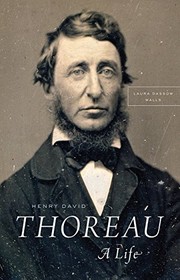
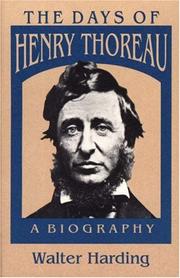
Begin with Henry David Thoreau, Laura Dassow Walls' acclaimed modern biography, which restores the full, scientific, socially engaged Thoreau. For a deeper day-by-day account, The days of Henry Thoreau, Walter Harding's detailed classic life, is the standard reference. These correct the cardigan-and-pond stereotype before you read him.
The essential Thoreau
Now the core texts. Civil Disobedience, his short and explosive essay on refusing unjust government, is his most consequential single work. Then Walden, his account of two years living deliberately at the pond, which is far stranger and funnier than its reputation. Add the essay Walking, his manifesto for wildness, and The Maine Woods, his rugged nature narratives, to round out his range.
For the raw material of his mind, Thoreau, The Selected Journals of Henry David collects the daily observations where his thinking actually lived, and Walden ; and, Resistance to civil government pairs his two most famous works in one convenient volume.
The wider world
Thoreau did not think alone. Nature, Ralph Waldo Emerson's founding Transcendentalist essay, is the intellectual soil he grew from, and Emerson among the eccentrics, Carlos Baker's group portrait, shows the vivid circle around him. Close with The Thoreau You Don't Know, Robert Sullivan's lively corrective, which argues against the hermit myth one more time.
Read in order, Thoreau becomes a full and surprising thinker. Follow the full path to take the books in sequence.
Follow the full reading path →
Ready to learn something deeply?
Build a reading path — free