Best Books on Alfred Hitchcock, in Reading Order
This curriculum moves from intimate conversation to critical biography to deep film analysis, mirroring the way a serious Hitchcock student should build knowledge. You begin with Hitchcock in his own words (via Truffaut), graduate to the major biographies that place his life and work in full context, then finish with rigorous close readings and technical studies of his craft — each stage assuming the vocabulary and film familiarity built in the one before.
Hitchcock in His Own Words
BeginnerHear Hitchcock explain his own methods, obsessions, and films directly — building the essential vocabulary (pure cinema, MacGuffin, suspense vs. surprise) that every later book assumes you already know.
▸ Study plan for this stage
Pace: 4–5 weeks, ~40–50 pages/day (or 2–3 chapters per sitting, 3–4 times per week). The Truffaut book is dense with dialogue and theory; pace yourself to absorb Hitchcock's voice and philosophy.
- Pure cinema: visual storytelling without reliance on dialogue or exposition; showing rather than telling
- The MacGuffin: a plot device that motivates characters but is ultimately irrelevant to the audience's emotional investment
- Suspense vs. surprise: the distinction between letting the audience know danger is coming (suspense) versus shocking them with unexpected events (surprise)
- The camera as narrator: how camera placement, movement, and editing create meaning and guide viewer emotion independent of plot
- Audience manipulation: Hitchcock's deliberate techniques to control what viewers see, when they see it, and how they feel
- Obsession and psychology: Hitchcock's recurring fascination with guilt, voyeurism, and the darker aspects of human nature
- Craft over message: Hitchcock's emphasis on technical mastery and entertainment value rather than social commentary or moral lessons
- The wrong man: the archetypal Hitchcock protagonist—innocent, ordinary, caught in extraordinary circumstances through no fault of their own
- What does Hitchcock mean by 'pure cinema,' and how does it differ from theatrical or literary storytelling?
- Explain the MacGuffin with an example from one of Hitchcock's films discussed in the Truffaut interviews. Why does Hitchcock consider it essential to plot construction?
- What is the key difference between suspense and surprise, according to Hitchcock? Which does he prefer, and why?
- How does Hitchcock use the camera and editing to manipulate audience emotion without relying on dialogue or music?
- Identify at least three recurring psychological themes or obsessions Hitchcock discusses in his interviews with Truffaut.
- What does Hitchcock say about the role of the protagonist in his films? What type of character does he favor, and what is their typical predicament?
- Watch one Hitchcock film discussed extensively in the Truffaut interviews (e.g., *Rear Window*, *Vertigo*, or *Psycho*) while keeping the book nearby. Pause at key scenes and match Hitchcock's own explanation of his technique to what you see on screen.
- Create a one-page visual diagram or mind map showing the relationship between 'pure cinema,' 'camera as narrator,' and 'audience manipulation.' Use examples from the Truffaut interviews to label each connection.
- Write a 300–400 word analysis of a single scene from a Hitchcock film (from the book's discussion) that exemplifies either suspense or surprise. Explain Hitchcock's stated intention and how the technique works.
- Identify and document three instances of the MacGuffin in films mentioned in the Truffaut book. For each, note what the MacGuffin is, why the characters care about it, and why the audience ultimately doesn't.
- Rewatch a 5–10 minute sequence from a Hitchcock film with the sound off. Write down what you learn about the story, character, and emotion from *only* the visual information. Then rewatch with sound and compare—what did the dialogue add or obscure?
- Conduct a 'Hitchcock vocabulary audit': create a glossary of 15–20 key terms and phrases Hitchcock uses repeatedly in the Truffaut interviews (e.g., 'pure cinema,' 'MacGuffin,' 'the bomb under the table'). Write a one-sentence definition for each in your own words.
Next up: This stage equips you with Hitchcock's own critical vocabulary and philosophical framework—the language and concepts that all subsequent Hitchcock scholarship, biography, and film analysis assume you understand—allowing you to move into deeper explorations of his individual films, career evolution, and cultural impact with confidence and fluency.
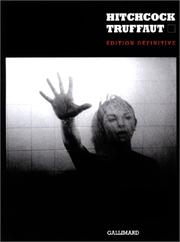
The canonical starting point: a book-length interview in which Truffaut walks Hitchcock film by film, drawing out his theories of suspense, visual storytelling, and the audience. Reading this first means every subsequent biography and analysis will feel like an elaboration of ideas you already hold.
The Life Behind the Films
BeginnerUnderstand Hitchcock's biography — his English origins, Hollywood ascent, personal contradictions, and the real-world pressures that shaped his art — so that later critical readings have a human and historical anchor.
▸ Study plan for this stage
Pace: 4–5 weeks, ~40–50 pages/day (approximately 280–350 pages total for "Dark Side of Genius")
- Hitchcock's formative years in Victorian/Edwardian England and their influence on his psychology and aesthetics
- His early career in silent film and the transition to sound, including his work at British International Pictures and Gaumont-British
- The role of his wife Alma Reville as creative partner and emotional anchor throughout his career
- His personal contradictions: public persona versus private life, including his anxieties, obsessions, and difficult relationships
- The pressures of studio systems (both British and American) and how commercial demands shaped his artistic choices
- His immigration to America and the challenges of establishing himself in Hollywood during the 1930s–1940s
- Key biographical events that directly influenced specific films (e.g., trauma, family dynamics, professional setbacks)
- The psychological and emotional toll of his perfectionism and control on those around him
- What were the key events in Hitchcock's childhood and adolescence that shaped his later obsessions with control, guilt, and voyeurism?
- How did Hitchcock's early work in British silent and sound cinema prepare him for his later Hollywood success, and what did he learn from those experiences?
- What was Alma Reville's role in Hitchcock's creative process and personal life, and why is she essential to understanding his work?
- How did Hitchcock navigate the transition from British to American cinema, and what obstacles did he face in establishing himself in Hollywood?
- Which biographical events or personal struggles directly influenced the themes and content of his major films during this period?
- How did Hitchcock's public image differ from his private personality, and what does this contradiction reveal about his character?
- Create a timeline of Hitchcock's life from birth through his early Hollywood years, marking key personal events alongside his major films and career milestones
- Write a 2–3 page character sketch of Hitchcock based on Spoto's portrayal, identifying his dominant personality traits, fears, and motivations
- Select three films discussed in the book and write brief notes on how specific biographical details (family trauma, professional setbacks, relationships) appear reflected in each film's themes or content
- Compile a 'Hitchcock and Alma' dossier: list the major ways Alma influenced his work, decisions, and emotional stability based on Spoto's account
- Create a comparison chart of Hitchcock's British versus American periods, noting differences in his working methods, creative freedom, and psychological state
- Record a 5–10 minute audio reflection answering: 'What surprised me most about Hitchcock as a person, and how does it change the way I'll watch his films?'
Next up: This biographical foundation reveals Hitchcock as a complex human being shaped by specific historical, familial, and professional forces, providing the essential context needed to analyze his films critically—understanding not just *what* he made, but *why* and *how* his life experiences became encoded in his artistic vision.

The definitive and most widely read Hitchcock biography; Spoto had unique access and writes with novelistic drive. Read it before the revisionist biographies so you absorb the full arc of the life first.
Close Readings of the Major Films
IntermediateDevelop the ability to analyze individual Hitchcock films in depth — their structure, imagery, psychology, and meaning — using the biographical and theoretical grounding already in place.
▸ Study plan for this stage
Pace: 8–10 weeks, ~40–50 pages/day (with 2–3 days per week for viewing and note-taking)
- The romantic paradigm in Hitchcock: how love, desire, and emotional vulnerability drive narrative and visual strategy
- Structural analysis of Hitchcock's films: editing, pacing, and the mechanics of suspense and revelation
- Psychological depth in characterization: the inner lives of protagonists and their moral/emotional conflicts
- Imagery and symbolism: recurring visual motifs (staircases, windows, mirrors, bodies) and their thematic significance
- The relationship between camera movement, point-of-view, and audience identification
- Hitchcock's revision and reworking of themes across his filmography: evolution and consistency
- Gender dynamics and the female gaze in Hitchcock's cinema
- The interplay between plot mechanics and emotional/psychological realism
- How does Brill's concept of the 'Hitchcock romance' reframe our understanding of films like Vertigo, Marnie, and Shadow of a Doubt compared to a purely suspense-based reading?
- What are the key structural techniques Hitchcock uses to manipulate audience identification and sympathy, and how do Wood and Brill analyze these differently?
- How do visual motifs (staircases, windows, confined spaces) function symbolically across multiple Hitchcock films, and what psychological states do they represent?
- How does Hitchcock's treatment of female characters evolve across his career, and what do Wood's and Brill's analyses reveal about gender and desire in his work?
- What is the relationship between Hitchcock's biographical circumstances and the recurring psychological and emotional themes in his films?
- How do editing, camera movement, and mise-en-scène work together in a single Hitchcock sequence to create both suspense and emotional depth?
- Watch and annotate one major Hitchcock film per week (e.g., Vertigo, Marnie, Psycho, Shadow of a Doubt, Rope, Rear Window) while reading the corresponding analysis in Brill and Wood; track visual motifs, editing patterns, and character psychology in a viewing journal
- Conduct a comparative scene analysis: select the same scene analyzed in both Brill and Wood, then write a 2–3 page essay explaining how their interpretive frameworks differ and what each reveals
- Create a visual map of recurring imagery in three films (e.g., staircases in Vertigo and Psycho, windows in Rear Window and Marnie); annotate screenshots with symbolic and psychological meanings
- Write a character study of a Hitchcock protagonist (e.g., Scottie in Vertigo, Marnie, Norman Bates) using Brill's romantic/psychological lens; analyze how visual style reinforces inner conflict
- Trace the evolution of a single theme across three Hitchcock films (e.g., obsession, guilt, female agency); use both books to support your argument about how the theme develops
- Perform a shot-by-shot breakdown of a 3–5 minute sequence from one film, documenting camera angles, cuts, sound, and performance; connect formal choices to emotional and thematic meaning
Next up: This stage equips you with the analytical vocabulary and interpretive depth to move beyond individual films toward broader critical frameworks—whether examining Hitchcock's influence on later filmmakers, his place in film history, or applying psychoanalytic and feminist theory to his entire body of work.
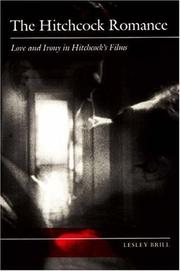
A film-by-film thematic study focused on romance, irony, and moral vision; it teaches you how to read a Hitchcock film as a coherent argument, not just a thriller.
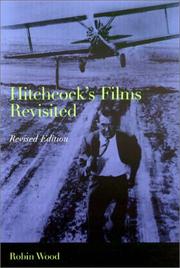
The most influential auteurist criticism of Hitchcock, combining close formal analysis with moral and political seriousness. Wood's essays on Psycho, Vertigo, and Rear Window remain essential benchmarks.
Mulvey's feminist and psychoanalytic framework — introduced here in accessible essay form — is the lens through which most academic Hitchcock criticism is now written, making it indispensable before tackling advanced theory.
Technique, Style, and the Craft of Suspense
ExpertMaster Hitchcock's specific technical and stylistic toolkit — editing, camera movement, sound design, and narrative construction — and understand how he influenced the entire language of cinema.
▸ Study plan for this stage
Pace: 6–8 weeks, ~25–30 pages/day. Start with Hitchcock's Notebooks (2–3 weeks), move to Vertigo (2 weeks), then Alfred Hitchcock and the Making of Psycho (2 weeks). Build in 1 week for review and synthesis.
- Hitchcock's visual grammar: camera angles, framing, and composition as tools for controlling viewer perspective and emotional response
- Editing as suspense architecture: how cutting rhythm, pacing, and montage construct tension independent of plot
- Sound design and silence as psychological weapons: the strategic use of music, ambient sound, and absence of sound
- Subjective camera and point-of-view editing: making the audience inhabit a character's consciousness and complicity
- Narrative structure and misdirection: how story construction, exposition placement, and information control manipulate audience knowledge and expectation
- Mise-en-scène and production design: the deliberate arrangement of space, objects, and actors to encode meaning and unease
- The evolution of Hitchcock's technique: how his methods matured and adapted across different projects and technological constraints
- Hitchcock's influence on cinematic language: how his innovations became the visual vocabulary of modern thriller and horror cinema
- How does Hitchcock use camera placement and framing to make the audience complicit in a character's transgression or voyeurism? Provide specific examples from the notebooks or films discussed.
- What is the relationship between editing rhythm and suspense? How do the case studies in these books demonstrate that tension can exist independently of plot events?
- How does Hitchcock deploy sound (or silence) to create psychological unease? What role does music play in his films versus ambient or diegetic sound?
- Explain Hitchcock's approach to subjective camera and POV editing. How does this technique force the audience into a character's perspective, and what are the moral implications?
- How did Hitchcock's technical approach evolve between the films discussed in these books? What constraints or innovations drove these changes?
- What specific production decisions in Psycho (as detailed in Rebello's book) were driven by Hitchcock's understanding of suspense technique, and how do they reflect principles from his earlier work?
- Scene deconstruction: Select 3–4 key scenes from Vertigo and Psycho. Break down each shot: camera angle, movement, framing, editing cut length, and sound design. Annotate how each choice serves suspense or psychological effect. Cross-reference with Auiler's and Rebello's analysis.
- Editing rhythm study: Take a 5–10 minute sequence from either Vertigo or Psycho. Time the cuts, note the pattern, and write a short analysis of how the editing pace manipulates tension. Experiment by mentally re-editing it at different rhythms.
- Sound design audit: Watch a scene with sound on, then muted. Document what sound elements (music, ambient, silence) are present and how they shift your emotional response. Compare your observations to Rebello's or Auiler's discussion of sound choices.
- Notebook-to-screen analysis: Select a passage from Hitchcock's Notebooks that describes a technical idea or visual concept. Find the corresponding scene in Vertigo or Psycho (if applicable) and analyze how the notebook concept was realized on film.
- POV and complicity mapping: Choose one scene where Hitchcock uses subjective camera. Map out whose perspective the audience inhabits at each moment, what they see/don't see, and what moral or psychological effect this creates. Write a brief reflection on how this technique implicates the viewer.
- Comparative technique study: Identify one specific technique (e.g., the dolly zoom, the shower scene editing pattern, a particular sound motif) and trace how it appears across multiple films or projects discussed in the three books. Write a 2–3 page analysis of its evolution and impact.
Next up: This stage equips you with the technical vocabulary and analytical framework to deconstruct Hitchcock's craft, preparing you to explore how these techniques were applied across his entire filmography, adapted to different genres, and ultimately examine his thematic preoccupations and philosophical worldview in the next stage.
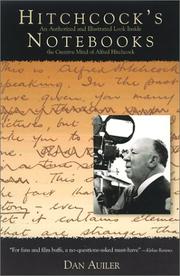
Draws on Hitchcock's production documents, scripts, and storyboards to show how his films were built from the inside out; essential for understanding the gap between intention and execution.
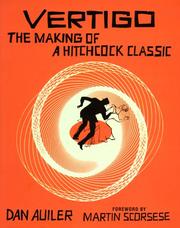
A single-film deep dive into Hitchcock's most technically and psychologically complex work, tracing every creative decision from script to screen — a masterclass in how to study one film exhaustively.

The authoritative production history of Psycho, covering the financing gamble, casting, Bernard Herrmann's score, and the marketing revolution; it crystallizes everything learned in earlier stages into one landmark case study.
Discussion
Keep reading
Paths that share books, cover the same subject, or open a related topic.