Addiction and recovery: an ordered reading list for hope
This curriculum moves from personal and narrative accounts of addiction through the neuroscience and psychology of dependence, and finally into evidence-based frameworks for recovery and long-term healing. Each stage builds the emotional vocabulary and conceptual grounding needed for the next, so that by the end the reader can engage critically with both the science and the human experience of recovery — and better understand or support professional treatment programs.
Foundations: The Human Face of Addiction
BeginnerDevelop empathy and a gut-level understanding of what addiction feels like from the inside, dismantling stigma before introducing science.
▸ Study plan for this stage
Pace: 6–7 weeks, ~40–50 pages/day. "Beautiful Boy" (336 pages, ~2 weeks) followed by "In the Realm of Hungry Ghosts" (480 pages, ~4–5 weeks). Build in 1–2 buffer days for reflection between books.
- Addiction as a lived experience: the internal struggle, shame, and loss of control from the addict's perspective (Sheff's Nic)
- The parent's dilemma: loving someone in active addiction while watching them self-destruct, and the myth that love alone can fix addiction (David Sheff's journey)
- Trauma, disconnection, and unmet needs as roots of addiction, not moral failure (Maté's framework)
- The brain's reward system and how addiction hijacks it—dopamine, craving, and the compulsion cycle (Maté's neuroscience)
- Compassion over judgment: understanding addiction as a symptom of deeper pain and survival strategy
- The role of environment, poverty, and systemic inequality in shaping addiction vulnerability (Maté's case studies)
- Recovery as possible but non-linear: relapse as part of the process, not proof of failure
- What does Nic's internal experience of addiction look like in 'Beautiful Boy'? How does Sheff convey the loss of agency and the pull of craving?
- How does David Sheff's perspective as a parent shift throughout 'Beautiful Boy'? What does he learn about the limits of parental love and control?
- According to Maté, what is the relationship between early trauma or disconnection and the development of addiction? Give examples from the case studies in 'In the Realm of Hungry Ghosts.'
- How does Maté explain addiction neurologically? What happens in the brain that makes addiction so difficult to overcome through willpower alone?
- What is the difference between viewing addiction as a moral failing versus viewing it as a symptom of unmet psychological or physical needs?
- What role do systemic factors (poverty, discrimination, access to care) play in addiction according to Maté? How does this complicate the individual-blame narrative?
- Character journal: After finishing 'Beautiful Boy,' write 2–3 journal entries from Nic's perspective during moments of active use, capturing his internal state, cravings, and sense of self.
- Parent's perspective reflection: Write a letter from David Sheff to his younger self before Nic's addiction, then reflect on what he learned that he wishes he'd known.
- Case study analysis: Choose 2–3 of Maté's case studies from 'In the Realm of Hungry Ghosts' and map the trauma/disconnection → addiction pathway for each person.
- Neuroscience translation: Create a simple visual diagram or one-page explanation of how the brain's reward system gets hijacked in addiction, using Maté's explanations in plain language.
- Stigma audit: List 5 beliefs about addiction you held before reading these books. For each, write how Sheff's and Maté's work challenged or deepened that belief.
- Empathy interview: Speak with someone in recovery or working in addiction services (if possible) and ask them which insights from these books resonate with their experience. Reflect on what you learn.
Next up: This stage builds emotional and human grounding—you now understand addiction from the inside and see the person, not the stereotype—which prepares you to engage with the neuroscience, psychology, and evidence-based treatment approaches in the next stage without losing sight of the human complexity you've internalized here.

A father's memoir of his son's methamphetamine addiction offers an emotionally accessible entry point, showing how addiction affects entire families and setting up the 'why' questions the rest of the curriculum answers.

A physician working with severely addicted patients weaves personal stories with early neuroscience, bridging raw human experience and biology — the perfect bridge into the science stage.
The Science of Dependence
BeginnerUnderstand the neurological, psychological, and developmental mechanisms that drive addiction — why it is a brain disease, not a moral failing.
▸ Study plan for this stage
Pace: 4–5 weeks, ~25–30 pages/day. Start with "Unbroken Brain" (Week 1–3, ~400 pages), then "The Addicted Brain" (Week 4–5, ~200 pages). Allow 2–3 days at the end for review and synthesis.
- Addiction as a brain disease: how neuroplasticity and reward system dysregulation create compulsive behavior independent of willpower
- The role of dopamine and the mesolimbic reward pathway in reinforcement learning and the development of addiction
- Developmental vulnerability: how adolescent brain development, trauma, and early life experiences increase susceptibility to addiction
- The transition from casual use to dependence: how repeated drug exposure rewires neural circuits for motivation and decision-making
- Psychological factors in addiction: stress, emotional regulation, self-medication, and the interplay between environment and neurobiology
- Why addiction persists: the distinction between acute withdrawal and long-term neuroadaptation, including cue-induced craving and relapse vulnerability
- Genetic and environmental interactions: how both nature and nurture shape addiction risk across populations
- What evidence from neuroscience supports the claim that addiction is a brain disease rather than a moral or character flaw?
- How does the reward system become dysregulated in addiction, and what role does dopamine play in this process?
- Why are adolescents particularly vulnerable to developing addiction, and what does this tell us about brain development?
- What is the difference between physical dependence (withdrawal) and psychological dependence, and why is the latter often more difficult to overcome?
- How do environmental cues and stress trigger cravings and relapse even after long periods of abstinence?
- What is the relationship between trauma, adverse childhood experiences, and addiction vulnerability according to these authors?
- Create a visual diagram of the reward pathway (ventral tegmental area → nucleus accumbens → prefrontal cortex) and annotate how dopamine signaling changes from casual use to addiction
- Write a case study analysis: select one addiction scenario from the books and trace the neurobiological mechanisms (reward dysregulation, decision-making impairment, cue sensitivity) that explain the person's behavior
- Map the developmental timeline: chart how brain regions mature at different ages and explain why early drug exposure during adolescence has outsized neurological impact
- Conduct a personal reflection: identify a habit or compulsive behavior in your own life and analyze it through the lens of reward learning and neuroplasticity (without judgment)
- Debate preparation: compile evidence from both books addressing the question 'Is addiction a choice or a disease?' and articulate the nuanced answer these authors present
- Create a comparison table: list the key neurobiological differences between someone with addiction vulnerability versus someone with resilience, citing specific mechanisms from the texts
Next up: This stage establishes that addiction is rooted in measurable brain changes and developmental factors, preparing you to explore evidence-based treatment approaches, recovery mechanisms, and how understanding the neurobiology of addiction informs practical interventions in the next stage.
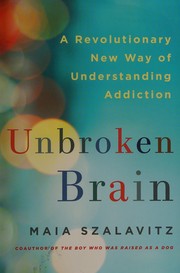
Argues compellingly that addiction is a learning disorder, not a disease of pure brain chemistry or weak will — accessible writing that reframes everything the reader learned in Stage 1.

A neuroscientist explains dopamine, reward pathways, and craving in plain language, giving the reader the core biological vocabulary needed for deeper texts ahead.
Psychology, Trauma & the Roots of Craving
IntermediateExplore the psychological and trauma-based underpinnings of addiction, understanding why people use substances to cope and how early experience shapes vulnerability.
▸ Study plan for this stage
Pace: 8–10 weeks, ~40–50 pages/day. "The Body Keeps the Score" (464 pages) over 5–6 weeks, then "Never Enough" (400 pages) over 3–4 weeks, with 1–2 weeks for integration and reflection.
- Trauma alters the brain's threat-detection and stress-response systems, creating a neurobiological foundation for self-medication and substance use
- The body stores traumatic memories non-verbally (through sensations, emotions, and physical reactions) rather than as coherent narratives, driving compulsive coping behaviors
- The reward system's dopamine circuitry becomes dysregulated through repeated substance use, progressively raising the threshold for 'enough' and deepening craving
- Addiction is fundamentally a disorder of motivation and learning—the brain learns to prioritize the drug over survival needs through repeated reinforcement
- Early-life adversity and attachment disruption create vulnerability to addiction by impairing self-regulation, emotional tolerance, and the ability to derive reward from natural sources
- Craving is not simply about pleasure-seeking but about filling an internal void created by unprocessed trauma and disconnection from self and others
- Integration of fragmented trauma memories (through body awareness, narrative work, and relational safety) is essential for breaking the addiction-trauma cycle
- How does van der Kolk explain the difference between implicit (body-based) and explicit (narrative) memory, and why is this distinction critical for understanding addiction?
- What neurobiological changes occur in the brain as a result of trauma, and how do these changes predispose someone to substance use as a coping mechanism?
- According to Grisel, how does the dopamine system's role in learning and motivation explain why addiction persists even when the user wants to stop?
- What does Grisel mean by the concept of 'never enough,' and how does it relate to the brain's reward threshold and the progression of addiction?
- How do early attachment experiences and childhood trauma shape the development of addiction vulnerability, according to both authors?
- What is the relationship between dissociation, trauma, and substance use, and why might drugs serve as a form of self-regulation for trauma survivors?
- Create a detailed timeline of your own or a case study subject's life, mapping traumatic events alongside substance use patterns—identify correlations between specific stressors and escalations in use
- Read van der Kolk's chapters on neurobiology (especially on the amygdala, prefrontal cortex, and insula) and draw or diagram the brain systems involved in threat detection and emotional regulation; label how each is affected by trauma
- Practice a body-scan meditation (15–20 minutes, 3–4 times per week) while reading van der Kolk's sections on somatic experience; journal about sensations, emotions, and urges that arise without judgment
- Analyze a real or fictional addiction narrative (memoir, film, case study) through both van der Kolk's trauma lens and Grisel's dopamine/learning lens—write a 2–3 page synthesis showing how both frameworks illuminate the person's journey
- Interview or read an account from someone in recovery; identify moments where they describe 'filling a void' or 'numbing pain'—connect these to van der Kolk's concept of trauma and Grisel's reward-system dysregulation
- Create a visual 'addiction cycle' diagram showing how trauma → dysregulation → craving → use → temporary relief → shame → re-traumatization loops back; annotate with specific brain regions and neurotransmitters from both books
Next up: This stage establishes that addiction is rooted in trauma and brain dysregulation, setting the foundation for the next stage to explore evidence-based treatment modalities—how therapy, neuroscience-informed interventions, and relational repair can rewire the brain and interrupt the addiction-trauma cycle.

Establishes the deep link between trauma and addiction by showing how unresolved trauma is stored in the body — essential context for understanding relapse and self-medication.

A behavioral neuroscientist and recovering addict explains how different drugs hijack the brain's reward system, combining personal narrative with rigorous science at an intermediate level.
Recovery: Evidence-Based Paths to Healing
IntermediateLearn what recovery actually looks like — the evidence behind different treatment models, the role of community, and practical frameworks for sustained change.
▸ Study plan for this stage
Pace: 8–10 weeks, ~40–50 pages/day (mix of dense neuroscience and narrative-driven material; allow extra time for reflection)
- Addiction as a learned behavior rooted in brain plasticity, not moral failure — understanding how desire and habit reshape neural pathways
- The social determinants of addiction and recovery — how disconnection drives addiction and connection enables healing
- The limitations and strengths of different treatment models (abstinence-based, harm reduction, medication-assisted, peer support) and when each is appropriate
- The role of community, purpose, and meaningful relationships as non-negotiable elements of sustained recovery
- Practical frameworks for relapse prevention, managing triggers, and building new habits and identities in recovery
- The distinction between 'recovery' as a process (not a destination) and the importance of self-compassion and incremental progress
- How environmental and systemic factors (poverty, trauma, isolation) intersect with neurobiological vulnerability to shape addiction trajectories
- According to Lewis, how does the brain's reward system and learning mechanisms explain addiction as a form of desire rather than a disease? What are the implications of this framing?
- What is Hari's central argument about the relationship between disconnection and addiction, and how does he challenge the traditional 'disease model'?
- What are the main evidence-based treatment approaches described across the three books, and what does the research suggest about their relative effectiveness for different populations?
- How do the three books collectively address the role of community, purpose, and social connection in recovery? What evidence supports this?
- What practical tools and frameworks from 'The Recovery Book' can you apply to your own life or to supporting someone in recovery?
- How would you explain to someone why recovery is a process rather than a destination, and what does sustained change actually require?
- After finishing 'The Biology of Desire': Map your own habit loop (cue → routine → reward) for a behavior you want to change. Use Lewis's framework to identify the neural learning involved and brainstorm how to rewire it.
- While reading 'Chasing the Scream': Create a visual timeline of one person's addiction and recovery journey from the book, annotating where disconnection and reconnection appear as turning points.
- Comparative analysis: Create a table comparing the treatment models discussed across all three books (abstinence, harm reduction, medication-assisted, peer support, etc.) — list evidence, limitations, and ideal contexts for each.
- Interview or conversation exercise: Talk to someone in recovery (or someone who supports recovery) about their experience with community, triggers, and what 'recovery' means to them. Reflect on how their story aligns with or challenges the frameworks in the books.
- Relapse prevention plan: Using tools from 'The Recovery Book,' draft a personal relapse prevention plan for a specific behavior or addiction (real or hypothetical), including trigger identification, coping strategies, and support systems.
- Reflection essay: Write 2–3 pages on how your understanding of addiction has shifted after reading these three books. What surprised you? What challenged your assumptions?
Next up: This stage establishes that recovery is biologically possible, socially essential, and practically achievable — preparing you to explore the systemic barriers and policy solutions that either enable or obstruct these evidence-based paths to healing.

A neuroscientist and former addict challenges the pure disease model, arguing recovery is a developmental process — this nuanced view prepares the reader to evaluate treatment options critically.
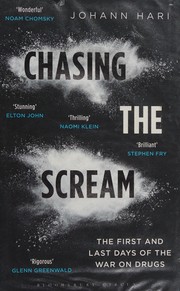
Investigates the social and political roots of addiction and recovery across the world, showing that connection and community — not just medicine — are central to healing.

A practical, comprehensive guide to the recovery process that complements professional treatment programs, giving the reader actionable frameworks after the conceptual groundwork has been laid.
Advanced Integration: Relapse, Meaning & Long-Term Change
ExpertSynthesize everything into a sophisticated understanding of relapse prevention, identity reconstruction, and the long arc of lasting recovery.
▸ Study plan for this stage
Pace: 4–5 weeks, ~40–50 pages/day (approximately 280–350 pages total across both books)
- Dopamine dysregulation as the neurobiological foundation of addiction and the mechanism behind hedonic adaptation and withdrawal
- The concept of 'dopamine fasting' and strategic abstinence as tools for recalibrating the brain's reward system
- Identity reconstruction and the role of meaning-making in sustaining long-term recovery beyond symptom management
- The distinction between relapse as a discrete event versus relapse as a process with recognizable warning signs and intervention points
- How environmental design, social connection, and purposeful living create structural support for lasting behavioral change
- The integration of neuroscience and psychology: understanding both the brain mechanisms and the psychological/spiritual dimensions of recovery
- Vulnerability factors in relapse (stress, shame, isolation, loss of meaning) and targeted prevention strategies for each
- The role of narrative reconstruction—rewriting one's story from 'addict' to 'person in recovery' with agency and purpose
- How does Lembke explain the relationship between dopamine, reward sensitivity, and the progression of addiction? What does 'hedonic adaptation' mean, and why is it central to understanding relapse risk?
- What is 'dopamine fasting' according to Lembke, and what is the evidence for its effectiveness? How might this concept be applied to relapse prevention?
- In Spiegelman's framework, what is the difference between a relapse event and the relapse process? What are the early warning signs she identifies?
- How does Spiegelman argue that identity reconstruction differs from traditional abstinence-based recovery? Why does meaning-making matter for long-term change?
- What environmental and social factors does each author emphasize as critical for preventing relapse? How do these factors work together?
- How would you integrate Lembke's neuroscience-based insights with Spiegelman's emphasis on meaning and identity to design a personalized relapse prevention plan?
- Create a 'dopamine audit' of your own life: map your current reward-seeking behaviors, identify which ones dysregulate your dopamine system, and design a 30-day dopamine fasting protocol for one behavior (following Lembke's principles).
- Develop a detailed relapse warning-signs inventory based on Spiegelman's process model: identify your personal vulnerability factors (stress triggers, shame spirals, isolation patterns) and create specific micro-interventions for each.
- Write a 'recovery narrative' that reconstructs your identity from addiction to recovery: explicitly articulate how you see yourself differently, what values now guide you, and what meaning your recovery serves (aligned with Spiegelman's identity work).
- Design an environmental audit of your physical and social spaces: identify which elements support dopamine regulation and meaning-making, and which undermine them; create a concrete action plan to redesign one high-risk environment.
- Conduct a case study analysis: take a real or hypothetical relapse scenario and apply both Lembke's dopamine dysregulation framework and Spiegelman's relapse-process model to explain what happened and how it could have been prevented.
- Create a 'meaning map' for your recovery: identify 3–5 sources of deep purpose or meaning in your life, and design weekly practices that anchor you to these sources as relapse prevention (Spiegelman's approach).
Next up: This stage synthesizes the neurobiology of addiction with the psychology of identity and meaning, positioning you to move into specialized applications—whether that's understanding addiction in specific contexts (relationships, work, trauma), designing treatment systems, or exploring the intersection of recovery with spirituality and community.

A Stanford psychiatrist explores the neuroscience of pleasure and pain balance in the modern world, offering a cutting-edge framework for understanding compulsive behavior and sustainable abstinence.

Focuses on identity, self-worth, and rebuilding a meaningful life in recovery — the emotional and existential capstone that ties together the science, trauma, and treatment threads of the whole curriculum.
Discussion
Keep reading
Paths that share books, cover the same subject, or open a related topic.