Acrylic painting for beginners: an ordered reading path to your first paintings
This curriculum takes a complete beginner from zero knowledge of acrylics to confident, independent painting through four carefully sequenced stages. Each stage builds on the last — starting with materials and basic mark-making, moving through color theory and brushwork, then into guided projects, and finally into developing a personal style and problem-solving skills.
Getting Started: Materials & First Marks
BeginnerUnderstand what acrylics are, how they behave, which supplies to buy, and how to make your very first confident marks on canvas without feeling overwhelmed.
▸ Study plan for this stage
Pace: 2–3 weeks, ~20–25 pages/day with daily practice sessions
- Acrylic paint composition: pigments, binders, and water as solvent, and how this differs from oils and watercolors
- How acrylic paint dries through water evaporation and why this affects working time and layering
- Essential supplies: brushes, canvas/surfaces, palette, water containers, and why quality matters for beginners
- Brush types and their specific uses: flats, rounds, filberts, and how to choose the right tool for different marks
- Color theory fundamentals: primary colors, mixing, value, and saturation as they apply to acrylics
- Basic brush techniques: loading, blending, dry brushing, and stippling to build mark-making confidence
- Surface preparation and priming to ensure paint adhesion and longevity
- Practical workflow: setup, paint consistency, water management, and cleanup to build sustainable habits
- What are the key differences between acrylic, oil, and watercolor paints in terms of composition and drying time?
- Why does understanding acrylic's water-based nature matter for how you layer colors and manage your working time?
- What are the essential supplies a beginner needs to start painting with acrylics, and why is each one important?
- How do different brush types (flats, rounds, filberts) affect the marks you make, and which should you use for specific effects?
- What are the basic color mixing principles, and how do you achieve different values and saturations with acrylics?
- What are 3–4 fundamental brush techniques you can practice to build confidence before starting a full painting?
- Create a paint swatch chart mixing primary colors to understand how acrylics blend and how value changes with water dilution
- Practice basic brush strokes on scrap paper or canvas: load a flat brush and make confident horizontal, vertical, and diagonal marks at different pressures
- Experiment with brush types: use a round, flat, and filbert on the same surface to see how each creates different mark qualities
- Paint a simple color wheel using acrylic primaries to internalize mixing and color relationships
- Do a 'texture study' using dry brushing, stippling, and blending on a small canvas to explore mark-making variety
- Set up your workspace following Van Patten's guidance, then paint a simple monochromatic study (one color + white) to practice consistency and layering
- Create a 'surface test': prime and paint the same design on paper, canvas board, and raw canvas to feel the difference in paint behavior
Next up: This stage gives you the confidence, tools, and technical foundation to move into structured composition and subject matter—you'll now understand how acrylics behave well enough to focus on what you want to paint rather than fighting the medium.

Expands on materials knowledge and introduces foundational techniques like layering and glazing, giving beginners a broader vocabulary before moving into color.
Color & Brushwork: The Core Skills
BeginnerLearn how to mix colors confidently, understand the color wheel in practice, and develop control over a variety of brushstrokes and paint consistencies.
▸ Study plan for this stage
Pace: 4–5 weeks, ~20–25 pages/day, with 2–3 dedicated painting sessions per week
- The color wheel and relationships between primary, secondary, and tertiary colors
- Mixing techniques: how to achieve specific hues, values, and saturation levels using acrylics
- Warm and cool color temperature and how it affects color mixing and visual harmony
- Brush anatomy and how different brush shapes (rounds, flats, filberts, mops) affect mark-making
- Paint consistency and viscosity: how water-to-pigment ratios change brushwork behavior and coverage
- Fundamental brushstrokes (dry brush, wet-on-wet, glazing, stippling, scumbling) and when to use each
- Color harmony principles (complementary, analogous, triadic) and their practical application in mixing
- Opacity and transparency in acrylics and how they interact with layering and color mixing
- How do you mix a secondary color, and what happens if you adjust the ratio of primary colors?
- What is the difference between warm and cool versions of the same hue, and why does this matter for color mixing?
- How does paint consistency affect your brushwork, and what water-to-pigment ratios would you use for different effects?
- Name three different brush shapes and describe the kinds of marks each one naturally produces
- What is the difference between glazing and scumbling, and when would you use each technique?
- How can you use complementary colors to create visual interest without muddying your palette?
- Create a full color wheel using only three primary colors (red, yellow, blue) and document how you mixed each secondary and tertiary color
- Mix 10 different versions of the same hue (e.g., 10 greens) by adjusting ratios and adding complementary colors; arrange them by temperature and value
- Paint a series of small swatches testing different paint consistencies (thick impasto, medium, thin glaze) and note how each affects brushwork and coverage
- Practice each fundamental brushstroke (dry brush, wet-on-wet, glazing, stippling, scumbling) on separate test panels and label them
- Paint a simple still life using only complementary colors; focus on mixing clean colors and avoiding mud
- Create a color harmony study: paint three small compositions using analogous, triadic, and complementary color schemes side by side
Next up: Mastering color mixing and brushwork control establishes the technical foundation needed to move into composition, value structure, and subject-specific techniques in the next stage.
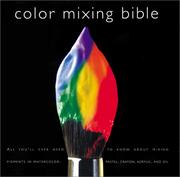
A comprehensive, visually rich guide to color mixing across mediums with a strong acrylic focus — reading this immediately after basics ensures color decisions become intuitive rather than guesswork.
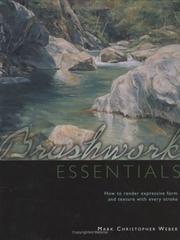
Dedicated entirely to the mechanics of the brush, this book teaches how stroke, pressure, and paint load create different effects — the perfect companion once color mixing is understood.
Guided Projects: Painting Real Things
BeginnerApply materials, color, and brushwork knowledge by completing structured step-by-step projects across still life, landscape, and simple subjects to build real, visible results.
▸ Study plan for this stage
Pace: 4–5 weeks, ~20–25 pages/day with daily painting practice (1–2 hours per project)
- Problem-solving with acrylics: using Cozen's solutions to overcome common technical challenges (drying time, blending, texture)
- Step-by-step project methodology: following structured painting sequences from start to finish to build confidence and visible results
- Still life fundamentals: arranging objects, understanding light and shadow, and rendering form with basic shapes (from Garcia)
- Landscape essentials: atmospheric perspective, color temperature shifts, and simplified brushwork for distance and depth
- Brushwork techniques in practice: applying different brush types and strokes to real subjects rather than abstract exercises
- Color mixing and application: translating color theory into practical mixing on canvas for recognizable subjects
- Building painting habits: completing full projects rather than fragments to develop discipline and see tangible progress
- How do you use Cozen's solutions to solve a specific problem you encounter while painting (e.g., edges that won't blend, paint drying too fast)?
- What are the key steps in Garcia's project methodology, and why does following them in order lead to better results?
- How do you set up a still life composition to make it easier to paint, and what role does light direction play?
- What techniques does Garcia recommend for creating the illusion of depth in a landscape, and how do they differ from still life approaches?
- How do you choose and use different brushes for different parts of a project (e.g., detail vs. background)?
- What color mixing decisions did you make in your projects, and how did they affect the final painting's believability?
- Complete at least 2 still life projects from Garcia's book: one simple (3–4 objects) and one more complex (5–6 objects with varied shapes and textures)
- Paint a landscape project focusing on atmospheric perspective: foreground, middle ground, and background with intentional color temperature shifts
- Work through 3–4 of Cozen's problem-solving solutions in isolation (e.g., test blending techniques, experiment with drying-time management) before applying them to a full project
- Paint a simple subject (apple, mug, or flower) three times in succession, applying lessons from each attempt to improve the next
- Complete a mixed still life and landscape project that combines both skill sets (e.g., a garden scene with foreground plants and distant trees)
- Document one full project from start to finish with photos at key stages, noting which Cozen solutions you used and why
Next up: This stage moves you from isolated technique practice into real, completed paintings, establishing the confidence and habit of finishing projects—essential preparation for the next stage, which will likely deepen your ability to refine subjects, handle more complex compositions, or develop a personal style within these foundational categories.

Presents practical problem-and-solution projects that directly address the challenges beginners face, bridging the gap between exercises and finished paintings.
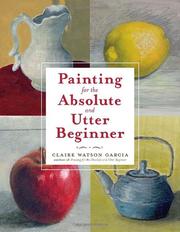
Uses a uniquely reassuring, project-based approach with clear step-by-step instruction across multiple subjects — builds real confidence by producing finished, satisfying work.
A warm, project-rich book that reinforces skills learned so far while introducing a wider variety of subjects and compositional ideas to round out this stage.
Thinking Like a Painter: Composition & Style
IntermediateMove beyond copying exercises to understand composition, value, and artistic decision-making so you can plan and execute original paintings with intention and a developing personal voice.
▸ Study plan for this stage
Pace: 4–5 weeks, ~40–50 pages/week with daily painting practice
- Direct painting (alla prima) as a method for developing decisiveness and authentic mark-making
- Value structure and value relationships as the foundation of composition and visual impact
- Color mixing and color temperature as tools for creating depth, mood, and harmony
- Composition through selective observation: choosing what to paint and what to leave out
- Gestural painting and the role of spontaneity in developing personal style
- Problem-solving through paint: how technical decisions become artistic decisions
- The relationship between observation, intention, and execution in creating convincing paintings
- What is alla prima painting, and how does working directly (without underpainting) force you to make clearer artistic decisions?
- How does understanding value relationships help you create stronger compositions, and what role does value play before color?
- What strategies does Schmid present for mixing colors on the canvas, and how does this differ from pre-mixing on a palette?
- How do you choose what to include and exclude in a composition, and what principles guide selective observation?
- What does it mean to paint 'with intention,' and how can you develop a personal voice through alla prima practice?
- How can you use temperature and color relationships to create depth and atmosphere in a painting?
- Paint 5–6 small alla prima studies (8×10 or smaller) from direct observation, completing each in one sitting without revisions; focus on value structure first, color second
- Create a value study (monochrome) of a complex subject before painting it in color to understand composition independent of hue
- Paint the same subject twice using different color temperatures (warm vs. cool palette) to see how temperature affects mood and depth
- Do 10–15 quick gestural sketches in paint (5–10 minutes each) to build confidence in mark-making and reduce overworking
- Analyze 3–4 paintings by Schmid or similar alla prima painters: map the value structure, identify the color temperature choices, and note what was simplified or omitted
- Paint a still life or landscape where you deliberately leave areas unfinished or loosely handled to practice restraint and suggestion over detail
Next up: This stage establishes the technical and conceptual foundation for intentional painting—understanding how value, color, and decisive mark-making create impact—preparing you to apply these principles to larger, more ambitious works and to develop a coherent personal aesthetic in the next stage.
A timeless, canonical text on composition principles that teaches how to arrange elements powerfully — essential reading before attempting original work rather than guided copies.

Widely regarded as one of the most important books on painting craft ever written, it ties together observation, color, value, and technique into a unified philosophy — the ideal capstone that elevates a beginner into a thoughtful, self-directed painter.
Discussion
Keep reading
Paths that share books, cover the same subject, or open a related topic.