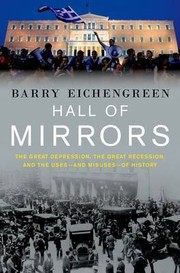
HALL OF MIRRORS
Barry Eichengreen · 2015 · 520 pages
As an Amazon Associate we earn from qualifying purchases. Some book links are affiliate links; you pay the same price and we may earn a small commission.
About this book
"There have been two global financial crises in the past century: the Great Depression of the 1930s and the Great Recession that began in 2008. Both featured loose credit, precarious real estate and stock market bubbles, suspicious banking practices, an inflexible monetary system, and global imbalances; both had devastating economic consequences. In both cases, people in the prosperous decade preceding the crash believed they were living in a post-volatility economy, one that had tamed the cycle of boom and bust. When the global financial system began to totter in 2008, policymakers were able to draw on the lessons of the Great Depression in order to prevent a repeat, but their response was still inadequate to prevent massive economic turmoil on a global scale. In Hall of Mirrors, renowned economist Barry Eichengreen provides the first book-length analysis of the two crises and their aftermaths. Weaving together the narratives of the 30s and recent years, he shows how fear of another Depression greatly informed the policy response after the Lehman Brothers collapse, with both positive and negative results. On the positive side, institutions took the opposite paths that they had during the Depression; government increased spending and cut taxes, and central banks reduced interest rates, flooded the market with liquidity, and coordinated international cooperation. This in large part prevented the bank failures, 25% unemployment rate, and other disasters that characterized the G
Appears in these reading paths


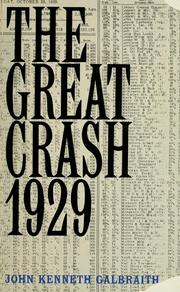
Best Books on Financial Crises and Market Crashes, in Reading Order
Related reading guides
Reader reviews
Ratings and notes from readers — tagged with how deep into the subject they were.
Loading reviews…