The Roaring Twenties are remembered as jazz, flappers, and reckless prosperity, but the decade was more complicated and more consequential than the party suggests. Read it in order and you see a nation transformed, by mass culture, migration, and above all the strange national experiment of Prohibition, which turned a whole country into lawbreakers and gave rise to organized crime.
Order matters because the era's glamour and its underworld are two halves of one story. This path opens with the decade's mood, moves through Prohibition and the gangsters it created, then places it all in the broader currents that were reshaping America.
The mood of the decade
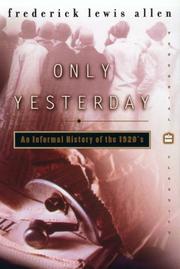
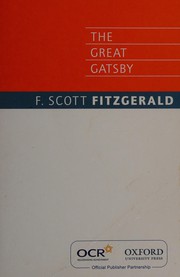
Start with Only yesterday by Frederick Lewis Allen, the classic informal history written just after the decade ended, still the most vivid portrait of its spirit. Then read The Great Gatsby by F. Scott Fitzgerald, the novel that distilled the era's glamour, longing, and hollow core into a hundred perfect pages.
The great experiment
Prohibition is the decade's defining paradox. Last call by Daniel Okrent is the definitive history of how America banned alcohol and what happened next, endlessly readable and revealing. Prohibition by Edward Behr complements it with the human drama of the era's excess and hypocrisy.
Gangsters and the underworld
Banning liquor created an empire of crime. Get Capone by Jonathan Eig retells the pursuit of the most famous gangster of all with fresh archival research, and Five Families by Selwyn Raab traces how Prohibition-era bootlegging grew into the enduring American Mafia.
The wider currents
The decade was more than speakeasies. Anything Goes by Lucy Moore surveys the whole cultural whirl, from art to aviation to scandal. The Warmth of Other Suns by Isabel Wilkerson tells the Great Migration that was remaking American cities in these very years, and Freedom from fear by David M. Kennedy sets the boom in the sweep that ends with the crash and Depression, a natural bridge to what came next.
Read this path in order and the Roaring Twenties become legible as a whole, a giddy, contradictory decade whose party and whose crime were inseparable, and whose end was already written. Follow the full sequence to live through it from champagne to Black Tuesday.
Follow the full reading path →
Ready to learn something deeply?
Build a reading path — free