The Great Depression was the defining economic catastrophe of the twentieth century, and its lessons still frame every debate about recessions, crashes, and government's role in the economy. Read it in order and you gain two things: a visceral sense of what a decade of mass unemployment felt like, and a grasp of the fierce, unresolved arguments over what caused it and what cured it.
Order matters because the Depression is where history and economics meet, and the two are best read in sequence. This path starts with the human experience, moves through narrative history, then confronts the competing economic explanations that still shape policy today.
The human experience
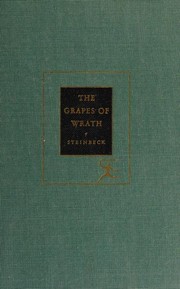
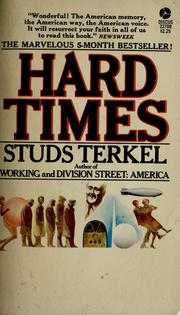
Start with The Grapes of Wrath by John Steinbeck, the novel that made the suffering of the era unforgettable through one family's journey west. Then read Hard times by Studs Terkel, an oral history that lets Americans who lived through the Depression speak for themselves, in all their variety.
The narrative history
For the sweep of events, Freedom from fear by David M. Kennedy is the magisterial account of the Depression and the New Deal, an ideal comprehensive history. The great crash, 1929 by John Kenneth Galbraith is the classic, witty anatomy of the stock-market collapse that opened the era.
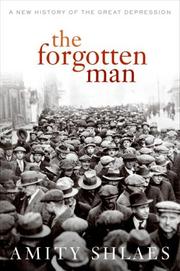
For a pointed reinterpretation, The Forgotten Man by Amity Shlaes offers a skeptical, market-oriented history of the New Deal, useful precisely because it argues against the standard account.
Why it happened, and what fixed it
Here the economists take over, and they disagree. A monetary history of the United States, 1867-1960 by Milton Friedman advances the hugely influential argument that the Federal Reserve's failures turned a downturn into a catastrophe. The world in depression, 1929-1939 by Charles Poor Kindleberger gives the international perspective, showing how a global system unraveled.
For the policy story, Nothing to fear by Adam Cohen recounts the frantic first hundred days of the New Deal, and The New Deal by Paul K. Conkin offers a critical assessment of what it did and did not achieve. Close with The Return of Depression Economics by Paul R. Krugman, which argues that the Depression's hard lessons became dangerously relevant again in our own time.
Read this path in order and the Great Depression becomes both a human tragedy you can feel and an economic argument you can follow. Follow the full sequence to understand the crisis that still shapes how we think about the economy.
Follow the full reading path →
Ready to learn something deeply?
Build a reading path — free