Mesopotamia is where history literally begins, because it is where writing begins. The land between the Tigris and Euphrates gave us the first cities, the first laws, the first empires, and the first literature, and yet it remains far less familiar than Egypt or Rome. Read it in order and the foundations of civilization itself come into view.
Order matters because the subject spans three thousand years and several peoples, Sumerians, Babylonians, Assyrians. This path starts with a broad map, narrows to specific cultures, then turns to the deeper themes of writing, myth, and daily life that make the era feel human.
Map the terrain
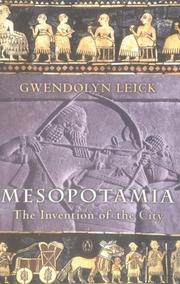
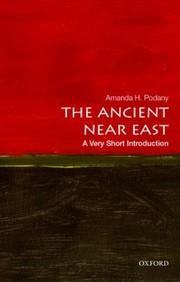
Start with Mesopotamia by Gwendolyn Leick, which tells the story through its great cities and is an excellent way in. Pair it with The Ancient Near East A Very Short Introduction by Amanda H. Podany, a superb compact orientation to the whole region and period.
The peoples
Go deeper into specific civilizations. The Sumerians: their history, culture, and character by Samuel Noah Kramer is the classic account of the people who invented so much of what we call civilization. Babylon by Paul Kriwaczek is a vivid narrative history of the region's most famous city and its empires, and The might that was Assyria by H. W. F. Saggs covers the fearsome empire that dominated the later era.
Writing, myth, and belief
The greatest Mesopotamian invention was writing. The writing revolution by Amalia E. Gnanadesikan explains how scripts, beginning with cuneiform, transformed human thought, and The Oxford Handbook of the History of Linguistics by Keith Allan sets that story in the wider history of how humans have studied language.
For the literature and the sacred, The Epic of Gilgamesh by Andrew George is the definitive translation of the world's oldest great poem, and Gods, demons, and symbols of ancient Mesopotamia by Jeremy A. Black is the illustrated guide to the rich religious imagination behind it.
Everyday life and diplomacy
Close with the human texture. Brotherhood of kings by Amanda H. Podany reveals the surprisingly sophisticated diplomacy between the era's great powers, and Daily Life in Ancient Mesopotamia by Karen Rhea Nemet-Nejat brings ordinary people, their homes, work, and families, back to life.
Read this path in order and Mesopotamia stops being a footnote before "real" history and becomes its beginning. Follow the full sequence to stand at the origin of the city, the law, and the written word.
Follow the full reading path →
Ready to learn something deeply?
Build a reading path — free