Refactoring gets used loosely to mean any rewrite, but the real practice is precise: improving the internal structure of code without changing what it does, in small, safe, test-backed steps. Done well it keeps a codebase healthy for years. Done carelessly, a big-bang rewrite in the name of refactoring introduces bugs and burns trust. The difference is discipline, and discipline is learned in a sequence.
Read in order and you go from the mechanical moves, to handling the messy code you actually have, to the design judgment that tells you what good looks like, and finally to the evidence that ties it all to delivery.
Learn the moves
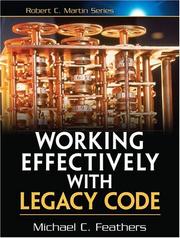
Start with Refactoring by Martin Fowler, the definitive catalog of small transformations and, more importantly, the workflow of taking tiny verified steps backed by tests. It teaches refactoring as a rhythm, not a rewrite. Then read Working effectively with legacy code, because the code you need to refactor is rarely well tested, and this book teaches how to make untested code safe to change in the first place.
Build a sense of good code
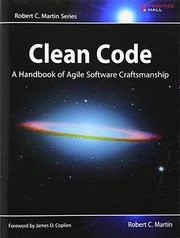
Refactoring toward what? You need a target, and Clean Code supplies the everyday standards of readable, well-structured code. The Pragmatic Programmer widens the lens to the habits and instincts of careful engineers, the mindset that makes you want to refactor at all.
Patterns give you vocabulary for better structures, so Head First design patterns introduces them in an approachable way, and Design Patterns by the Gang of Four is the original, denser reference to return to. Knowing patterns helps you recognize where a refactoring is heading.
Refactor at scale, with evidence
Large systems need higher-level guidance. A Philosophy of Software Design argues, sharply and memorably, about complexity and how to reduce it, and it reshapes how you judge a design. Software Design X-Rays brings data to the table, using version-control history to find the code most worth refactoring, which is a powerful antidote to guesswork.
Refactoring also enables architectural change, and Building Microservices shows how disciplined restructuring lets you evolve a system's shape over time. Finally, Accelerate presents the research linking practices like continuous refactoring and small changes to real delivery performance, grounding the whole discipline in evidence rather than opinion.
Follow the full path and refactoring becomes a steady, safe habit rather than a risky event. You end able to keep code clean as it grows, target the changes that matter most, and justify the effort with more than taste.
Follow the full reading path →
Ready to learn something deeply?
Build a reading path — free