Subjects / Refactoring
Best books to learn Refactoring, in order
Refactoring is safest learned in order: the catalog of small, behavior-preserving moves first, then the code smells that tell you when to apply them, then the hard art of changing legacy code that has no tests. Attempting a big cleanup before you can make tiny safe steps is how refactoring turns into rewriting, so a good path pairs Fowler's mechanics with the legacy-code techniques that let you work without a net.
Reading paths for refactoring

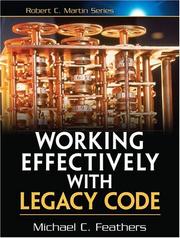
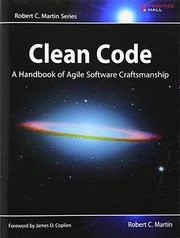
The Best Books on Refactoring, In Order
Beginner10books62 hrs5 stages
@codesherpa♥ 0
Popular refactoring books
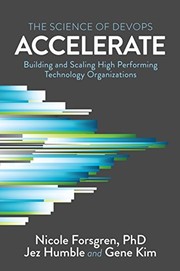


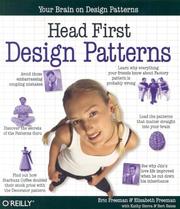
Related reading
Frequently asked questions
- How should I approach learning refactoring?
- Refactoring is safest learned in order: the catalog of small, behavior-preserving moves first, then the code smells that tell you when to apply them, then the hard art of changing legacy code that has no tests. Attempting a big cleanup before you can make tiny safe steps is how refactoring turns into rewriting, so a good path pairs Fowler's mechanics with the legacy-code techniques that let you work without a net.
- What's a good book to start refactoring with?
- A strong starting point is Accelerate by Nicole Forsgren. The ordered reading paths above show exactly where it fits and what to read next.
- What should I read after refactoring?
- Once you have the fundamentals, explore closely related subjects like Clean code and software craftsmanship, Reverse engineering, Malware analysis.