Subjects / Malware analysis
Best books to learn Malware analysis, in order
Malware analysis sits on top of reverse engineering, so the order is strict: assembly and OS internals first, then static and dynamic analysis in a safe lab, then advanced topics like unpacking, evasion, and behavioral profiling. Skipping the fundamentals leaves you running samples you can't actually read, so a good path builds the lab discipline and low-level literacy before the adversarial cat-and-mouse that defines the field.
Reading paths for malware analysis

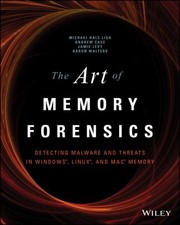

The Best Books to Learn Malware Analysis, In Order
Beginner10books119 hrs5 stages
@codesherpa♥ 0
Popular malware analysis books


Related reading
Frequently asked questions
- How should I approach learning malware analysis?
- Malware analysis sits on top of reverse engineering, so the order is strict: assembly and OS internals first, then static and dynamic analysis in a safe lab, then advanced topics like unpacking, evasion, and behavioral profiling. Skipping the fundamentals leaves you running samples you can't actually read, so a good path builds the lab discipline and low-level literacy before the adversarial cat-and-mouse that defines the field.
- What's a good book to start malware analysis with?
- A strong starting point is Rootkits by Greg Hoglund. The ordered reading paths above show exactly where it fits and what to read next.
- What should I read after malware analysis?
- Once you have the fundamentals, explore closely related subjects like Assembly language programming, MATLAB, Software testing and QA.