Italian food is the most popular cuisine on earth and the most misunderstood, because its central discipline is invisible: restraint. The dishes look so simple that home cooks pile on — more garlic, more toppings, cream where cream never went — and wonder why it doesn't taste like Italy. Learning Italian cooking is mostly unlearning; the canon below teaches you to do less, better, with ingredients that can survive the attention.
Cook Italy’s classics at home: a reading path through the real canon
July 9, 2026 · 2 min read
The path, stage by stage
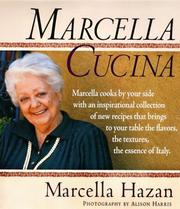
There is one obvious front door. The Essentials of Classic Italian Cooking by Marcella Hazan is the book that taught the English-speaking world real Italian food, and her voice — exacting, opinionated, right — is the education. Her tomato sauce with butter and onion is three ingredients and a rebuke to every overwrought recipe you've made. Cook from Essentials for a month before opening anything else. Then let Marcella Cucina deepen the relationship; it's Hazan older, more personal, and more regional.
Stage two adds counterpoint and pantry. Italian Food by Elizabeth David is the 1954 classic that started Anglophone Italian cooking — read it for prose and principles as much as recipes — while Italian Pantry by Theo Randall builds meals outward from a dozen staple ingredients, which is precisely how Italians actually cook on a Tuesday.
Stage three goes regional, because "Italian food" is really twenty cuisines in a trench coat. Lidia's Mastering the Art of Italian Cuisine by Lidia Bastianich is the encyclopedic teaching text; Tasting Rome by Katie Parla nails one city's cooking with modern rigor; Zuppa by Anne Bianchi honors the Tuscan soup tradition that never makes it onto restaurant menus.
Stage four is pasta as a subject of its own: The Geometry of Pasta by Caz Hildebrand on why each shape demands its particular sauce, and Pasta Grannies by Vicky Bennison, recipes gathered from Italian nonne who've hand-rolled these shapes for sixty years.
The habit: cook it twice in the same week
Pick one dish a week and cook it twice — first following the recipe exactly, then again three days later from memory, adjusting one thing. Italian cooking lives in technique and taste-as-you-go judgment, not recipe-following; the second pass is where the dish moves from the page into your hands. A repertoire of twelve dishes you own beats two hundred you've visited. Keep notes in the cookbook margins — Hazan expected it — recording what your stove, pans, and tomatoes did differently, because those margins become your family's edition of the book.
About 90 hours of reading, best amortized over a year of Sunday ragù. Follow the path, start at the Italian cooking hub, and when the hand-rolled itch arrives, the fresh pasta hub is waiting.
FAQ
- Which Italian cookbook should I buy first?
- Hazan’s Essentials of Classic Italian Cooking, without hesitation. It’s the most influential Italian cookbook in English, it teaches technique and philosophy rather than just recipes, and everything else on the path builds on it.
- Do I need special ingredients or equipment?
- Less than you’d think: good olive oil, real Parmigiano-Reggiano, canned San Marzano-style tomatoes, and decent dried pasta cover most of the canon. The discipline is buying fewer, better things — the equipment list is a heavy pot and a cheese grater.
Get the books
- 1The Essentials of Classic Italian CookingAmazon ↗Marcella Hazan
- 2Italian PantryAmazon ↗Theo Randall
- 3Marcella cucinaAmazon ↗Marcella Hazan
- 4Italian foodAmazon ↗Elizabeth David
- 5ZuppaAmazon ↗Anne Bianchi
- 6Lidia's mastering the art of Italian cuisineAmazon ↗Lidia Bastianich
As an Amazon Associate we earn from qualifying purchases. Some book links are affiliate links; you pay the same price and we may earn a small commission.
Follow the full reading path


Cook Italy's classics at home
Beginner11books114 hrs5 stages
Ready to learn something deeply?
Build a reading path — free