Backyard grilling stalls for one reason: people cook by time and hope. Flip at some point, poke it, cut it open to check, serve it dry. The entire gap between a decent griller and a great one is heat management — two zones, a lid, and a thermometer — and it's completely learnable from books, because unlike most cooking, grilling is more physics than technique.
Grilling books that replace guesswork with temperature
July 9, 2026 · 2 min read
The path, stage by stage
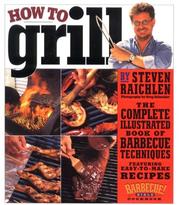
Start with How to Grill by Steven Raichlen, the illustrated step-by-step foundation: fire setup, direct versus indirect heat, and the core repertoire, shown rather than described. Alongside it, Weber's Way To Grill by Jamie Purviance drills the same fundamentals with the methodical patience of the company that sold everyone their kettle. Between the two, you'll have the physical skills down — what remains is understanding, which is where the path gets interesting.
Then the intellectual upgrade, and the heart of this path: Meathead by Meathead Goldwyn, which takes a flamethrower to grilling mythology — searing does not seal in juices, soaked wood chips are theater — and replaces it with tested science. Pair it with The Food Lab by J. Kenji López-Alt, whose obsessive experiments explain why the techniques work. One safety note that both books treat as non-negotiable: cook to verified internal temperature with an actual thermometer, not by color or feel — it makes food both safer and dramatically better, because you stop overcooking as insurance.
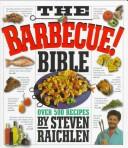
With fundamentals and science in place, go wide with The barbecue! bible by Steven Raichlen — the global tour of live-fire traditions — and then go low and slow: Smoke & spice by Cheryl Alters Jamison for real smoking at home, and Franklin Barbecue by Aaron Franklin for what obsessive craft looks like at the top of the game. Franklin's book is less a recipe collection than an apprenticeship in caring about every variable.
The habit: log every cook
One line per cook: cut, weight, setup, target temperature, actual time, result. Grilling is a slow feedback loop — you make brisket a few times a year, not a few times a week — so memory alone never compounds. A cook log turns each session into data, and by the second season you'll know your grill's quirks the way Franklin knows his pits: hot spots, real vent behavior, how weather changes everything. It also settles arguments with yourself; the log remembers that last year's turkey was done ninety minutes earlier than you'd swear it was.
Figure about 80 hours of reading, best distributed across a summer of practice. Follow the path or start at the grilling hub. When the low-and-slow bug bites, the meat smoking hub is the next step down the rabbit hole.
FAQ
- What is the single biggest grilling mistake beginners make?
- One hot zone and no thermometer. Set up two zones — direct and indirect — and cook to internal temperature, and most classic failures (burnt outside, raw inside, dried out everything) disappear immediately.
- Gas or charcoal for learning to grill?
- Whichever you’ll actually use. The fundamentals on this path — zones, lid control, temperature — apply to both. Charcoal offers more range and flavor; gas offers more reps because it’s frictionless. Reps win.
Get the books
- 1How to GrillAmazon ↗Steven Raichlen
- 2Weber's Way To GrillAmazon ↗Jamie Purviance
- 3The barbecue! bibleAmazon ↗Steven Raichlen
- 4Smoke & spiceAmazon ↗Cheryl Alters Jamison
- 5The grilling bookAmazon ↗Adam Rapoport
- 6Franklin BarbecueAmazon ↗Aaron Franklin
As an Amazon Associate we earn from qualifying purchases. Some book links are affiliate links; you pay the same price and we may earn a small commission.
Follow the full reading path

Master the grill
Beginner8books86 hrs4 stages
Ready to learn something deeply?
Build a reading path — free