Great bread has a reputation for being mystical. It isn't — it's four ingredients and a method, and the method is learnable in stages. What defeats most home bakers is starting with the hardest version: a wild sourdough, no scale, a vague recipe copied off a screen, and no idea which of the six things they did wrong.
So climb the ladder in order. Guaranteed wins first, then the craft, then wild fermentation, then the science, then the wider repertoire. Each stage makes the next one legible instead of mysterious.
Start where success is guaranteed
Bread Baking for Beginners by Bonnie Ohara produces good bread in the first week and, more importantly, teaches the vocabulary — bulk fermentation, shaping, proof, crumb — that every later book uses without explaining. Bake three or four of its loaves before you go anywhere near a starter.
The two books that make you serious
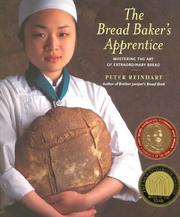
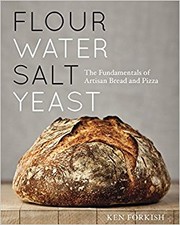
Flour Water Salt Yeast by Ken Forkish is the book that turned a generation of home bakers serious: long, cool fermentations, a Dutch oven, and recipes written as timetables so you learn to schedule dough around your day. The bread baker's apprentice by Peter Reinhart covers similar ground from the other direction — the twelve stages of bread, and the reasoning behind each step, with a much wider recipe range.
These two overlap enough that most people only need one at first. Take Forkish if you want a small number of loaves you will bake dozens of times; take Reinhart if you want to understand the process and range widely. Buying both is worthwhile eventually, in that order.
Sourdough, once your hands know what dough feels like
Tartine bread by Chad Robertson is the loaf every bakery has been imitating for fifteen years, and the book is as much a method for one obsessive loaf as a collection. It is demanding and slightly maddening, which is why it belongs here and not at the start. The sourdough school by Vanessa Kimbell goes deeper into the fermentation itself — the microbiology, the timings, the digestibility claims — and is the better book if the starter interests you as much as the crust.
Understand why any of it works
Bread Science by Emily Buehler is the missing explanation: gluten development, fermentation chemistry, and what is actually happening in the oven, written for bakers rather than food scientists. Read it after a few months of baking and half your unexplained failures will name themselves.
Widen the repertoire
The Italian baker by Carol Field is the standard English-language account of Italian regional breads, and it will pull you out of the single-loaf rut that Tartine can create. The rye baker by Stanley Ginsberg is the serious book on rye, which behaves nothing like wheat — low gluten, sour, sticky, and a whole northern European tradition that most home bakers never touch.
Modernist Bread at Home by Nathan Myhrvold is the last stop and an honest luxury: a home-scale distillation of the five-volume Modernist Bread, exhaustively tested and beautifully photographed. It is expensive and it is not a first book. Buy it when you have baked enough to argue with it.
The habit: one bake, one variable
Bread teaches through repetition with attention. Bake the same loaf weekly and change exactly one thing — hydration, fermentation time, oven steam — and you will understand dough in three months. Chase a new recipe every weekend and you will stay a beginner for years. Keep notes; your future loaves are built on them.
The path is about 30 hours of reading spread across many floury Saturdays. Follow it here, or browse the bread baking hub. Fermentation curious? The same microbes run sauerkraut and kimchi.