Fresh pasta defeats home cooks in a specific way: the recipe works once, then mysteriously doesn't. The dough that rolled silk-smooth on Sunday tears on Thursday, and the recipe has no advice because recipes can't feel your dough. Flour varies, eggs vary, humidity varies — pasta is a craft of adjustment, and adjustment requires understanding, not more recipes. That's what a reading path fixes.
Fresh pasta from scratch: a reading path from flour to fork
July 9, 2026 · 2 min read
The path, stage by stage
Start with the tradition, because pasta is grandmother technology. Vicky Bennison's Pasta Grannies — drawn from her project documenting Italy's elderly pasta makers — captures hand-me-down technique that never made it into professional cookbooks: shapes formed with nothing but a knife and a wooden board, and the confidence of ten thousand repetitions. It's the best possible answer to the beginner's fear that pasta requires equipment.
Then add the science. Marc Vetri's Mastering Pasta is the serious student's core text — flour types, hydration, egg ratios, and why doughs behave the way they do, from a chef who spent years studying in Italy. This is the book that turns "my dough tore" from a mystery into a diagnosis. J. Kenji López-Alt's The Food Lab reinforces the habit of thinking in mechanisms rather than rituals across the whole kitchen.
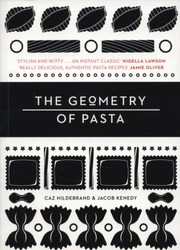
Stage three is the part most beginners skip: shape logic. Caz Hildebrand's The Geometry of Pasta pairs each shape with the sauces it was built for — why ridges hold ragù and silk-thin sheets want butter — and Jenn Louis's Pasta by Hand goes deep on the hand-formed dumpling traditions, region by region, that need no machine at all.
Finish by putting pasta back in its context. Rolando Beramendi's Autentico teaches the restraint that makes Italian food Italian — fewer ingredients, treated better — and The Silver Spoon from Phaidon Press, Italy's own kitchen bible, becomes the reference you cook from for decades.
The habit: the weekly hundred grams
Once a week, make a one-egg batch — about a hundred grams of flour — and turn it into one shape. It's fifteen minutes of kneading and rolling, too small to dread, and dough-feel is purely a repetition skill: after ten weeks your hands know what "right" feels like in a way no photo can teach. Vary one thing each week (flour, hydration, resting time) and you're running the experiments Vetri describes — a private pasta lab that costs about forty cents a session and pays out in tagliatelle.
The full path runs nine books — roughly 90 hours of reading, though half of these are references you'll cook from for years rather than read straight through. Follow the path, start at the fresh pasta hub, or widen the frame at the Italian cooking hub.
FAQ
- Do I need a pasta machine to start?
- No — a rolling pin and a wooden board made pasta for centuries, and Pasta Grannies and Pasta by Hand are full of shapes designed for exactly that. A machine speeds up thin sheets; it teaches you nothing about dough.
- Why does my pasta dough keep tearing?
- Usually under-kneading, insufficient resting, or a flour/hydration mismatch — the gluten network isn’t developed or relaxed enough. Mastering Pasta diagnoses all three; the weekly small-batch habit is how you learn to feel them coming.
Get the books
- 1Pasta GranniesAmazon ↗Vicky Bennison
- 2Mastering pastaAmazon ↗Marc Vetri
- 3The Geometry Of PastaAmazon ↗Caz Hildebrand
- 4Pasta by handAmazon ↗Jenn Louis
- 5AutenticoAmazon ↗Rolando Beramendi
- 6The Italian cooking encyclopediaAmazon ↗Carla Capalbo
As an Amazon Associate we earn from qualifying purchases. Some book links are affiliate links; you pay the same price and we may earn a small commission.
Follow the full reading path


Homemade pasta from scratch
Beginner10books129 hrs5 stages
Ready to learn something deeply?
Build a reading path — free