Most cake decorating disasters aren't decorating problems. They're structure problems wearing a costume: domed layers that won't stack, crumbly cakes that shed into the buttercream, frosting applied to a cake that's still warm. People buy piping tips and fondant tools, skip the boring foundation, and then wonder why the tutorial cake looks nothing like theirs. The pros know a secret that isn't glamorous — the decorating is the last 20 percent, and it only works on top of a cake engineered to hold it.
Cake decorating for beginners: bake the canvas before you paint it
July 9, 2026 · 2 min read
The path, stage by stage
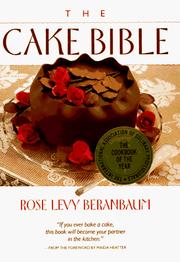
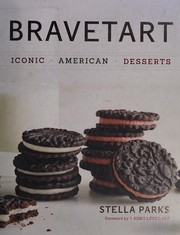
The path starts where every serious baker eventually lands: Rose Levy Beranbaum's The Cake Bible, the book that treats cake as a formula you can control rather than a lottery you enter. Beranbaum explains why recipes work — ratios, mixing methods, why your layers dome — so your canvas comes out flat, moist, and stackable every time. Stella Parks' Bravetart adds the American repertoire with the same rigor and considerably more wit, and Zoë François' Zoë Bakes Cakes bridges baking and decorating with approachable, genuinely achievable finishes.
Then the path turns to the showpiece skills. Lindy Smith's The Contemporary Cake Decorating Bible: Flowers covers sugar flowers — the technique that separates supermarket cakes from wedding cakes. Natasha Collins' The Painted Cake treats the iced surface as an actual canvas, teaching hand-painting techniques that look impossibly hard and aren't. And Amanda Rettke's Surprise-Inside Cakes is the fun final exam: cakes with hidden patterns and shapes baked inside, which quietly demand everything the earlier books taught about structure and precision.
A note on order: it's tempting to skip straight to Smith and Collins, because flowers and painting are the part people applaud. Resist. Every technique in the decorating half of the path quietly assumes a level, sturdy, properly chilled cake underneath it, and the first three books are what make that assumption true. Sequenced this way, each showpiece skill lands on a foundation that can actually hold it — which is the difference between a cake that photographs well and one that survives the drive to the party.
The habit: one skill per cake
The fastest way to stall is trying to debut four techniques on one birthday cake. Instead, bake on a schedule — every week or two — and assign each cake exactly one new skill: this week a perfectly smooth buttercream coat, next time a piped border, then a single sugar rose. One variable per bake means you actually know what went wrong when something does, and a modest weekly cake habit compounds faster than an ambitious quarterly one. Keep the rejects; your coworkers will not complain.
This is a craft where the reading pays off in inches of frosting: roughly 60 hours of reading, spread across many very good excuses to bake. Follow the path or start at the cake decorating hub. If the oven itself is calling to you, the bread baking hub is the natural sibling craft.
FAQ
- Should I learn buttercream or fondant first?
- Buttercream. It’s cheaper, tastier, more forgiving, and the smoothing and piping skills transfer directly. Fondant and sugar-flower work make more sense once your layers and crumb coats are consistent.
- Do I need special equipment to start decorating cakes?
- Surprisingly little: an offset spatula, a bench scraper, a turntable, and a few piping tips cover most of the first year. The books emphasize technique over gear — a great cake on a cheap turntable beats a mediocre one on a fancy stand.
Get the books
- 1The cake bibleAmazon ↗Rose Levy Beranbaum
- 2BravetartAmazon ↗Stella Parks
- 3Zoë Bakes CakesAmazon ↗Zoë François
- 4Cake DecoratingAmazon ↗McKinley Wilton
- 5Amazon ↗
- 6The Painted CakeAmazon ↗Natasha Collins
As an Amazon Associate we earn from qualifying purchases. Some book links are affiliate links; you pay the same price and we may earn a small commission.
Follow the full reading path

Decorate cakes like a pastry pro
Beginner8books56 hrs5 stages
Ready to learn something deeply?
Build a reading path — free