Adoption is more than a legal event; it is a lifelong relationship built across loss, identity, and attachment. That is why the reading order matters. You start by understanding the process and your options, then prepare for the attachment work that comes home with the child, then learn to handle openness and, where relevant, transracial realities, and finally learn to talk with your child honestly across the years.
Read this way, you arrive ready not just to bring a child home, but to parent through the deeper questions adoption raises.
Understand the process
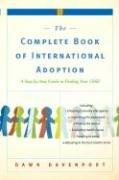
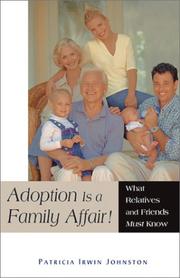
Begin with The Complete Book of International Adoption by Dawn Davenport for a thorough survey of routes and decisions, and Adoption Is a Family Affair! by Patricia Irwin Johnston, a short, essential primer to share with extended family so they understand the road ahead. These orient you before the emotional preparation begins.
Prepare for attachment
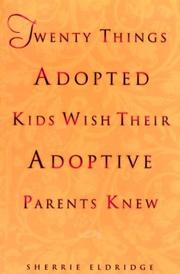
This is the heart of adoptive parenting. The Connected Child by Karyn B Purvis is the widely trusted guide to helping children who have experienced early adversity feel safe and bonded, and Attaching in adoption by Deborah D. Gray goes deep on building secure attachment. Twenty things adopted kids wish their adoptive parents knew by Sherrie Eldridge helps you see the experience from the child's side, which reshapes how you respond.
Openness, identity, and honest conversations
Finish with the long relationship. The Open-Hearted Way to Open Adoption by Lori Holden makes the case for openness and how to navigate it, while Inside transracial adoption by Gail Steinberg and In Their Own Voices by Rita J. Simon address race and identity for transracial families. Talking with Young Children about Adoption by Mary Watkins and Being adopted by David Brodzinsky guide the age-appropriate conversations that unfold over a lifetime.
These books complement, and do not replace, your agency, social workers, and any therapists your family works with. Read the path in order, spend real time on the attachment stage before placement, and revisit the conversation titles as your child grows.
Follow the full reading path →
Ready to learn something deeply?
Build a reading path — free