Any working programmer can make code run. The harder, more valuable skill is writing code that a colleague can read, change, and trust six months later, and that skill has a name: craftsmanship. It is not taught in most courses, which race to correctness and stop there. As a result, plenty of experienced developers write code that works and is miserable to maintain. Craftsmanship is learned deliberately, and reading order matters.
The path moves from the small scale of readable code, up through professional habits, into design and refactoring, and finally to architecture. You build taste from the line outward.
Start at the line and the function
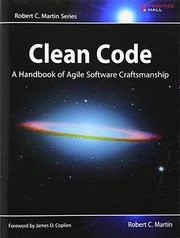
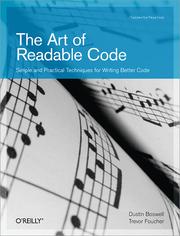
Begin with Clean Code by Robert Martin, the book that put naming, small functions, and readability at the center of the conversation. Treat its rules as a starting point to argue with, not gospel, but internalize its core message that code is read far more than it is written. Pair it with The Art of Readable Code, a shorter, gentler take focused squarely on making code obvious at a glance.
Grow into a professional
Craft is more than syntax; it is how you work. The Pragmatic Programmer is the classic on the habits, instincts, and attitude of effective developers, and it has aged well. The clean coder, also by Martin, turns to professionalism itself: estimation, saying no, and handling pressure without cutting corners. Then Software Craftsmanship by Sandro Mancuso frames the whole movement, arguing for a career built on pride in the work.
Improve and structure real code
Craftsmanship is proven in how you improve existing code. Refactoring by Martin Fowler teaches the disciplined, test-backed way to make code better without breaking it, and Working effectively with legacy code covers the messy reality of applying that discipline to inherited systems.
Finally, zoom out. A Philosophy of Software Design is a sharp, opinionated argument about managing complexity that will change how you evaluate a design, and Clean Architecture ties the small-scale habits to large-scale structure, showing how good code and good architecture reinforce each other.
Read the full path and craftsmanship stops being a vague virtue and becomes a set of concrete judgments you can defend. You end writing code that works, that reads clearly, and that welcomes the next person who has to change it, which is the whole point.
Follow the full reading path →
Ready to learn something deeply?
Build a reading path — free