Reverse engineering is the art of understanding software you do not have the source for, and it fails fast for anyone missing the prerequisites. You cannot make sense of a disassembly if you do not know how a CPU executes instructions or how memory is laid out. That is why so many beginners bounce off it: they reach for a disassembler before they understand what it is showing them. The subject is learnable, but only in order.
The path lays the groundwork in architecture and assembly, moves into the core techniques and tools of taking binaries apart, and then branches into the specialized deep ends. This is also security-sensitive work, so learn it to defend and analyze, and only against systems you are authorized to touch.
Build the foundations
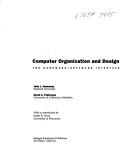
Start with Computer Organization and Design, which teaches how processors and memory actually work. Without this, everything downstream is guesswork. Then learn to read the machine's language with Professional assembly language, since assembly is the vocabulary of every disassembly you will ever study.
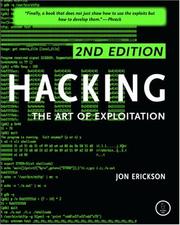
For a hands-on bridge into the security mindset, Hacking by Jon Erickson walks through exploitation from first principles, connecting C, assembly, and memory in a way that makes the low level tangible.
Learn the core craft
Now the subject proper. Reversing by Eldad Eilam is the classic introduction to reverse engineering as a discipline, covering the concepts and workflow end to end. Pair it with tools: The IDA Pro book teaches the industry-standard disassembler, and Practical Binary Analysis covers modern techniques for analyzing binaries programmatically. Together they take you from theory to a working practice.
Go into the deep ends
From here the field splits into specialties. Practical Malware Analysis applies reversing to hostile software, and The Art of Memory Forensics teaches how to reconstruct what a system was doing from a memory image. On the offensive-research side, The shellcoder's handbook and A Guide to Kernel Exploitation go deep into vulnerabilities and exploitation, while Windows Internals, Part 2 gives you the operating-system depth that serious reversing on Windows demands.
The final specialties are the darkest corners: Rootkits covers stealth techniques used to hide malicious code, and The Art of Unpacking addresses defeating the obfuscation and packing that real-world binaries hide behind.
Follow the full path and reverse engineering stops being an impenetrable wall of hex. You end able to take an unknown binary and reason about what it does and how. Keep it ethical: study only what you are permitted to, and use the skill to understand and defend systems.
Follow the full reading path →
Ready to learn something deeply?
Build a reading path — free