Subjects / Computer graphics
Best books to learn Computer graphics, in order
Graphics is math-heavy in a way tutorials hide. The productive order is the fundamentals first — the transform pipeline, coordinate spaces, and the linear algebra behind them — before rasterization, then lighting and shading, then ray tracing and the physically based models. Skip the math and shaders become guesswork. Build the pipeline in your head, then render, then chase realism.
Reading paths for computer graphics
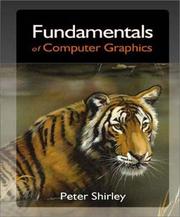
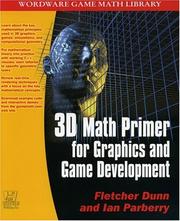

The Best Computer Graphics Books, in Order
Beginner10books135 hrs4 stages
@codesherpa♥ 0
Popular computer graphics books



Related reading
Frequently asked questions
- How should I approach learning computer graphics?
- Graphics is math-heavy in a way tutorials hide. The productive order is the fundamentals first — the transform pipeline, coordinate spaces, and the linear algebra behind them — before rasterization, then lighting and shading, then ray tracing and the physically based models. Skip the math and shaders become guesswork. Build the pipeline in your head, then render, then chase realism.
- What's a good book to start computer graphics with?
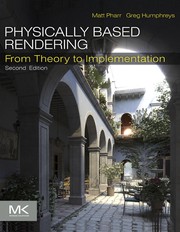
- A strong starting point is Physically Based Rendering by Matt Pharr. The ordered reading paths above show exactly where it fits and what to read next.
- What should I read after computer graphics?
- Once you have the fundamentals, explore closely related subjects like PowerShell scripting, Julia programming, Elasticsearch.