Subjects / Acoustics and the science of sound
Best books to learn Acoustics and the science of sound, in order
Acoustics blends physics, perception, and engineering, so a good path keeps them in order: the physics of waves, vibration, and resonance first, then how we hear and how rooms and instruments shape sound, then the applied work of measurement, audio, and architectural acoustics. Skipping the wave fundamentals leaves the applied topics as disconnected rules, so the arc runs from the physics, to hearing and spaces, to real acoustic engineering.
Reading paths for acoustics and the science of sound
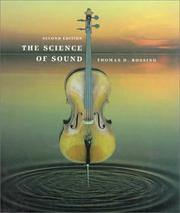


The Best Books on Acoustics and the Science of Sound, In Order
Beginner10books145 hrs5 stages
Popular acoustics and the science of sound books



Related reading
Frequently asked questions
- How should I approach learning acoustics and the science of sound?
- Acoustics blends physics, perception, and engineering, so a good path keeps them in order: the physics of waves, vibration, and resonance first, then how we hear and how rooms and instruments shape sound, then the applied work of measurement, audio, and architectural acoustics. Skipping the wave fundamentals leaves the applied topics as disconnected rules, so the arc runs from the physics, to hearing and spaces, to real acoustic engineering.
- What's a good book to start acoustics and the science of sound with?
- A strong starting point is Master Handbook of Acoustics by F. Alton Everest. The ordered reading paths above show exactly where it fits and what to read next.
- What should I read after acoustics and the science of sound?
- Once you have the fundamentals, explore closely related subjects like Physical chemistry, Mycology and fungi, Ornithology and bird biology.