Women's health: an evidence-based reading path
This curriculum builds from the ground up — starting with how the female body actually works, then moving into reproductive and hormonal health, then midlife and menopause, and finally equipping the reader to critically navigate a medical system with a long history of overlooking women. Each stage deepens the science and sharpens the advocacy lens, so that by the end the reader can read research, ask better questions, and make informed decisions about their own health.
Foundations: Understanding the Female Body
BeginnerBuild a clear, evidence-based mental model of female anatomy, hormones, and the menstrual cycle — the vocabulary needed for everything that follows.
▸ Study plan for this stage
Pace: 6–8 weeks total: Weeks 1–3 for "Period Power" (~25–30 pages/day, 5 days/week), and Weeks 4–6 for "Come as You Are" (~20–25 pages/day, 5 days/week), with Weeks 7–8 reserved for review, journaling, and reflection exercises.
- The four phases of the menstrual cycle (menstruation, follicular, ovulatory, luteal) as described in 'Period Power' — their hormonal drivers, typical lengths, and how they affect energy, mood, and cognition
- The role of key hormones — estrogen, progesterone, LH, and FSH — and how their rise and fall across the cycle create predictable inner seasons (Hill's 'Winter, Spring, Summer, Autumn' framework)
- Cycle tracking as a self-knowledge tool: using basal body temperature, cervical fluid, and subjective symptoms to map your own unique cycle rather than relying on a 28-day average
- The concept of the 'inner critic' and cycle-driven emotional patterns: understanding PMS and PMDD through a hormonal lens rather than a character-flaw lens (Period Power)
- Nagoski's Dual Control Model of sexual response — the Sexual Excitation System (SES) and Sexual Inhibition System (SIS) — and how context, not anatomy alone, drives arousal
- The distinction between spontaneous and responsive desire, and why both are normal variants of healthy sexual functioning (Come as You Are)
- Nagoski's 'stress response cycle' and the concept of completing the cycle: how unresolved stress physically affects the female body and sexual wellbeing
- The social and cultural 'context' layer: how messages about bodies, gender, and sexuality become internalized and shape physical and emotional experience (Come as You Are)
- Can you name and describe each of the four menstrual cycle phases, including which hormones dominate each phase and at least two ways each phase typically affects mood, energy, or focus?
- Using Hill's seasonal metaphor, how would you explain to someone else why productivity and social energy naturally fluctuate across the month — and why that is biological, not a personal failing?
- What is the Dual Control Model, and how does the balance between the 'accelerator' (SES) and 'brakes' (SIS) explain differences in sexual desire between individuals and across the menstrual cycle?
- What is the difference between spontaneous and responsive desire, and what evidence from 'Come as You Are' supports the idea that responsive desire is equally healthy?
- How does Nagoski's stress-response cycle connect to the hormonal picture painted in 'Period Power'? In other words, how does chronic stress interact with cycle regularity and sexual wellbeing?
- What practical tracking methods does Hill recommend, and after attempting them yourself, what did you learn about your own (or a hypothetical) cycle that surprised you?
- Cycle-mapping journal: Starting on Day 1 of your next cycle (or using a 28-day hypothetical template if needed), record daily energy level (1–10), mood keywords, and any physical symptoms. At the end of each week, annotate which phase you were likely in using Hill's framework and note whether your experience matched her descriptions.
- Hormone timeline diagram: Draw or digitally create a single-page chart showing the rise and fall of estrogen, progesterone, LH, and FSH across a 28-day cycle. Label each phase and add 2–3 behavioral/emotional traits Hill associates with each. Keep it as a reference card for the rest of the curriculum.
- SES/SIS personal inventory: After reading 'Come as You Are,' write a private, honest list of your top 5 'accelerators' and top 5 'brakes' as Nagoski defines them. Reflect in 1–2 paragraphs on how your cycle phases (from Exercise 1) might shift the sensitivity of each.
- Vocabulary glossary: As you read both books, maintain a running glossary of at least 20 terms (e.g., luteal phase, cervical fluid, responsive desire, allostatic load). Write each definition in your own words — no copying — to confirm genuine understanding.
- Stress-cycle audit: Nagoski argues that most people leave the stress-response cycle incomplete. For one week, deliberately practice one of her recommended 'completers' (vigorous exercise, creative expression, deep breathing, or meaningful social connection) each day and journal briefly on how it affects your mood and body awareness.
- Comparative reflection essay (500–700 words): After finishing both books, write a short essay answering: 'How do Hill's hormonal phases and Nagoski's Dual Control Model together explain why a woman might feel very differently about sex, work, and her body at different points in the month?' This synthesizes both books and primes analytical thinking for later stages.
Next up: Having built a precise hormonal and anatomical vocabulary from Hill and a nuanced model of desire and stress from Nagoski, the reader is now equipped to engage critically with more specialized topics — such as reproductive health conditions, fertility, perimenopause, or sexual dysfunction — without encountering those subjects cold.
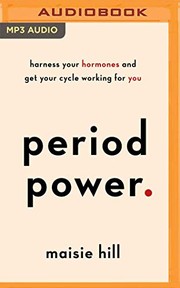
An accessible, jargon-free introduction to the menstrual cycle and its four phases, giving beginners a concrete framework for understanding hormonal rhythms before tackling heavier science.

Grounded in peer-reviewed research yet written for a general audience, this book explains the science of female sexual response and stress — building essential vocabulary around the nervous system and hormones in an engaging way.
Hormones and the Cycle in Depth
BeginnerUnderstand the hormonal architecture of the female body — estrogen, progesterone, testosterone, cortisol — and how imbalances manifest as real symptoms.
▸ Study plan for this stage
Pace: 6–8 weeks total: Weeks 1–3 cover "Beyond the Pill" (~25–30 pages/day, including journaling time); Weeks 4–7 cover "The Hormone Cure" (~20–25 pages/day, which is denser and quiz-heavy); Week 8 is a consolidation week for review, symptom mapping, and connecting both frameworks.
- The four key hormones and their roles: estrogen (growth, mood, fertility), progesterone (calming, luteal phase support), testosterone (libido, energy, confidence), and cortisol (stress response, blood sugar regulation)
- The Hypothalamic-Pituitary-Ovarian (HPO) axis: how the brain communicates with the ovaries to orchestrate the monthly cycle, as detailed in 'Beyond the Pill'
- The four phases of the menstrual cycle (menstrual, follicular, ovulatory, luteal) and the hormonal rise and fall that defines each phase
- How synthetic hormones in hormonal birth control suppress the HPO axis and can create post-pill hormone imbalances — the central thesis of 'Beyond the Pill'
- Hormone dominance and deficiency patterns: estrogen dominance, low progesterone, low testosterone, and high/low cortisol as described symptom clusters in 'The Hormone Cure'
- The concept of the 'hormone cure' framework in Dr. Gottfried's book: using a symptom quiz to identify your personal imbalance pattern before seeking solutions
- The cortisol-sex hormone connection: how chronic stress steals pregnenolone (the 'pregnenolone steal') and suppresses reproductive hormones, covered in both books
- Lifestyle levers — nutrition, sleep, movement, and stress management — as first-line tools for hormonal rebalancing, emphasized across both authors
- After reading 'Beyond the Pill,' can you explain what the HPO axis is and describe what happens to it when someone takes hormonal birth control for an extended period?
- What are the hallmark symptoms of estrogen dominance versus low progesterone, and how does Dr. Gottfried's symptom quiz in 'The Hormone Cure' help distinguish between them?
- How do cortisol and reproductive hormones compete for the same hormonal precursors, and why does chronic stress tend to worsen PMS or cycle irregularity?
- Using the frameworks from both books, how would you describe the hormonal profile of someone experiencing fatigue, low libido, heavy periods, and mood swings in the luteal phase?
- What does Jolene Brighten mean by 'post-birth control syndrome,' and which specific hormone imbalances does she associate with it?
- How do the approaches of Brighten ('Beyond the Pill') and Gottfried ('The Hormone Cure') complement each other — where do they agree, and where does each author add a unique lens?
- Symptom & Cycle Journal (ongoing): Starting on Day 1 of your next cycle, track daily energy, mood, libido, sleep quality, and any physical symptoms. After 4 weeks, annotate your journal with the cycle phase you were in each day, using the phase descriptions from 'Beyond the Pill' to spot hormonal patterns.
- Hormone Quiz Deep-Dive: Complete every symptom quiz in 'The Hormone Cure' honestly and in full. Write a one-paragraph personal 'hormone portrait' summarizing your likely imbalance pattern. Revisit it at the end of Week 8 to see if your understanding has deepened.
- Hormone Glossary Card Deck: Create a set of flashcards (physical or digital) — one card per hormone — listing: its production site, its primary functions, symptoms of excess, and symptoms of deficiency. Draw from both books to populate each card.
- Lifestyle Audit Worksheet: Using the diet, sleep, and stress recommendations in both 'Beyond the Pill' and 'The Hormone Cure,' audit your current habits in each category. Identify one concrete change per category to implement during the study period and note any symptom shifts in your journal.
- Comparative Author Matrix: Create a simple two-column table (Brighten vs. Gottfried). For each major hormone covered, note each author's perspective on root causes of imbalance and their top recommended interventions. This builds critical reading skills and reveals where the books reinforce or nuance each other.
- Teach-It-Back Exercise: After finishing each book, record a 5-minute voice memo or write a short paragraph explaining the book's core hormonal framework as if speaking to a friend with no science background. This forces you to consolidate and identify any gaps in your understanding.
Next up: By building a clear map of what each hormone does and how imbalances feel in the body, this stage gives you the biological vocabulary and self-awareness needed to explore more targeted topics — such as thyroid health, adrenal fatigue, perimenopause, or condition-specific hormonal disruptions like PCOS and endometriosis — in the next stage of the curriculum.

Bridges the gap between everyday experience (hormonal contraception) and deeper endocrinology, explaining what hormones do and what happens when they are disrupted — a natural next step after learning cycle basics.

A physician-authored deep dive into specific hormonal imbalances and their symptoms, adding clinical detail and self-assessment tools that reward readers who now have foundational vocabulary.
Reproductive Health and Fertility
IntermediateUnderstand the evidence around fertility, PCOS, endometriosis, pregnancy, and reproductive choices — moving from hormonal theory into specific conditions and decisions.
▸ Study plan for this stage
Pace: 4–5 weeks, ~25–35 pages/day (the book is ~500 pages including charts and appendices); plan for slower reading during the charting chapters (Parts 2–3) where you'll be cross-referencing diagrams and your own observations
- The Fertility Awareness Method (FAM): distinguishing it clearly from the rhythm/calendar method and understanding its scientific basis in observable biomarkers
- The three primary fertility signs — basal body temperature (BBT), cervical fluid (CF), and cervical position — and how each reflects the hormonal cycle in real time
- The hormonal architecture of the menstrual cycle: the interplay of FSH, LH, estrogen, and progesterone across the follicular, ovulatory, and luteal phases as explained through Weschler's charting framework
- Identifying the fertile window: understanding that sperm can survive 3–5 days but the egg survives only 12–24 hours, and how charting pinpoints this window with precision
- Anovulatory cycles, luteal phase defects, and other cycle irregularities — how charting reveals what standard cycle-length assumptions miss
- PCOS and endometriosis as they appear on the chart: atypical temperature patterns, prolonged follicular phases, and ambiguous cervical fluid signals that prompt further investigation
- Pregnancy achievement vs. pregnancy avoidance: how the same charting data is interpreted differently depending on the user's goal, and the efficacy rates associated with each use case
- Reproductive choices and informed consent: how understanding one's own cycle data empowers conversations with healthcare providers about fertility treatments, contraception, and hormonal interventions
- What are the three primary fertility signs Weschler describes, and what hormonal event does each one directly reflect?
- How does FAM differ mechanistically from the rhythm method, and why does Weschler argue that difference matters clinically?
- A chart shows 20 days of low BBT with no clear thermal shift and sticky/creamy cervical fluid throughout — what might this pattern suggest, and what does Weschler recommend as a next step?
- How does the luteal phase length (vs. the follicular phase length) explain why two women with very different cycle lengths can have equally healthy fertility profiles?
- Using Weschler's rules, how would you identify the last day of the fertile window for pregnancy avoidance purposes, and what is the '3 over 6' temperature rule?
- How does Weschler frame the role of charting in detecting conditions like PCOS or a short luteal phase before a clinical diagnosis is made?
- Start charting immediately: take your BBT every morning at the same time before getting up, observe and record cervical fluid at each bathroom visit, and log both on a blank FAM chart (printable from Weschler's appendix or a FAM app like Read Your Body or Kindara set to 'observation only' mode) — aim for at least one full cycle of data by the end of the stage
- Annotate the master chart examples in the book: for each sample chart in Parts 2 and 3, write in the margins which cycle phase each day falls in, circle the estimated ovulation day, and note any irregularities Weschler flags — this forces active reading rather than passive scanning of the diagrams
- Hormone timeline exercise: draw a blank 28-day cycle on paper and, without looking at the book, sketch the approximate rise and fall curves for FSH, LH, estrogen, and progesterone; then compare your sketch to Weschler's hormonal diagrams and note every discrepancy as a study item
- Case-study analysis: select three of the 'Special Situations' charts from the PCOS, breastfeeding, or pre-menopause sections and write a one-paragraph interpretation of each — what the chart shows, what the person's fertility status likely is, and what Weschler advises
- Clinician conversation prep: draft five specific questions you would ask a gynecologist or midwife based on what you've learned (e.g., about luteal phase length, progesterone testing on Day 21, or anovulatory cycle frequency) — this bridges book knowledge to real healthcare navigation
- Comparative reflection journal: after finishing the book, write a one-page reflection comparing what you believed about the menstrual cycle before reading vs. what you now understand — focus specifically on any misconceptions Weschler explicitly corrects (e.g., ovulation always on Day 14, all spotting is a period)
Next up: Weschler's charting framework gives you a precise, body-based vocabulary for the menstrual cycle; the next stage builds on this foundation by zooming into specific pathologies and clinical interventions — such as the full diagnostic and treatment landscape of PCOS, endometriosis, and assisted reproduction — where that vocabulary becomes essential for evaluating evidence and making informed decisio
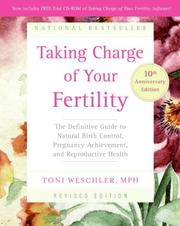
The definitive, research-backed guide to the Fertility Awareness Method; teaches readers to observe and interpret their own cycle data, making abstract hormonal concepts concrete and personal.
Midlife, Menopause, and Aging Well
IntermediateUnderstand perimenopause and menopause with current evidence, separate myth from medicine, and make informed decisions about hormone therapy and long-term health.
▸ Study plan for this stage
Pace: 6–8 weeks total: Weeks 1–3 cover "The XX Brain" (~25–30 pages/day, including time to annotate nutrition and lifestyle sections); Weeks 4–7 cover "The Menopause Manifesto" (~20–25 pages/day, slower pace to absorb clinical evidence and myth-busting chapters); Week 8 is a dedicated integration and refl
- The female brain's unique vulnerability to Alzheimer's disease and how estrogen decline during perimenopause and menopause accelerates neurological risk (The XX Brain)
- The concept of 'brain menopause' — how hormonal shifts directly alter brain metabolism, structure, and cognitive function, not just reproductive organs (The XX Brain)
- Evidence-based lifestyle pillars — nutrition (Mediterranean-style diet), sleep, exercise, and stress reduction — as modifiable factors for long-term brain health in women (The XX Brain)
- The distinction between perimenopause and menopause: timelines, hormonal fluctuations, and why symptoms begin years before the final menstrual period (The Menopause Manifesto)
- Critical dismantling of menopause myths — including the flawed legacy of the Women's Health Initiative study and how its misinterpretation led to widespread hormone therapy fear (The Menopause Manifesto)
- Menopausal hormone therapy (MHT): types, delivery methods, risks, benefits, and how to have an informed, individualized conversation with a healthcare provider (The Menopause Manifesto)
- The medicalization vs. normalization tension: understanding menopause as a biological transition that may or may not require treatment, based on individual symptom burden and values (The Menopause Manifesto)
- Genitourinary syndrome of menopause (GSM), cardiovascular changes, and bone health as under-discussed long-term consequences of estrogen loss (The Menopause Manifesto)
- According to Lisa Mosconi in The XX Brain, what is the relationship between estrogen decline and Alzheimer's disease risk in women, and why does this risk diverge from men's?
- What specific dietary and lifestyle interventions does The XX Brain identify as most protective for the aging female brain, and what is the proposed biological mechanism behind each?
- How does Dr. Jen Gunter in The Menopause Manifesto reframe the Women's Health Initiative (WHI) findings, and what were the key methodological limitations that distorted public and clinical perception of hormone therapy?
- What is the difference between bioidentical, body-identical, and synthetic hormones as discussed in The Menopause Manifesto, and why does this distinction matter for patient decision-making?
- How do The XX Brain and The Menopause Manifesto complement or tension-test each other on the topic of hormone therapy — where do Mosconi and Gunter agree, and where do their emphases differ?
- After reading both books, what questions would you bring to your own gynecologist or primary care provider, and what evidence would you cite to advocate for a personalized approach to midlife health?
- Symptom & Timeline Journal: For two weeks during your reading of The Menopause Manifesto, keep a daily log tracking energy, sleep, mood, and any physical symptoms. Use Gunter's perimenopause timeline framework to contextualize what you record — this builds the habit of evidence-based self-observation rather than symptom catastrophizing.
- Brain Health Audit (The XX Brain): After finishing Mosconi's lifestyle chapters, score yourself on her key pillars (diet quality, sleep hours, exercise frequency, social connection, stress load). Write a one-page personal gap analysis and identify one concrete change to implement during the remaining weeks of the stage.
- Myth-Busting Fact Sheet: Create a two-column document — 'Common Menopause Myth' vs. 'What the Evidence Actually Says' — drawing exclusively from The Menopause Manifesto. Aim for at least 10 myths. Share it with a friend or family member and note their reactions; this reinforces your ability to communicate evidence clearly.
- WHI Deep-Dive Annotation: Re-read Gunter's chapters on the Women's Health Initiative with a highlighter. Annotate every methodological flaw she identifies (participant age, hormone type, study design, media coverage). Then write a 200-word plain-language summary you could use to explain the controversy to someone with no medical background.
- Cross-Book Synthesis Map: Draw a concept map connecting at least five themes that appear in both books (e.g., estrogen's role in the brain, cardiovascular risk, sleep disruption, inflammation, identity and agency). Note where the authors reinforce each other and where they diverge — this is your personal synthesis document for the stage.
- Provider Conversation Prep: Draft a list of 5–7 specific, evidence-grounded questions to ask a healthcare provider about your own (or a loved one's) midlife health. For each question, note which book and concept prompted it. Role-play the conversation with a trusted person to practice confident, informed self-advocacy.
Next up: By grounding you in the hormonal, neurological, and cardiovascular realities of midlife, this stage builds the biological literacy and critical-evidence skills needed to engage confidently with more specialized or advanced topics in women's long-term health — such as chronic disease prevention, mental health across the lifespan, or navigating the healthcare system as an aging woman.

A neuroscientist's evidence-based account of how menopause affects the brain, offering a rigorous scientific perspective that reframes menopause as a neurological transition, not just a reproductive one.

A gynecologist systematically dismantles menopause myths and reviews the actual evidence on hormone therapy, diet, and supplements — the most comprehensive, skeptic-friendly guide to this life stage.
Navigating a Biased Medical System
ExpertCritically understand how medical research and clinical practice have historically excluded and misdiagnosed women, and develop the tools to advocate effectively for your own care.
▸ Study plan for this stage
Pace: 8–10 weeks total: Weeks 1–5 for "Invisible Women" (~25–30 pages/day, 5 days/week), and Weeks 6–10 for "All in Her Head" (~20–25 pages/day, 5 days/week). Reserve one day per week for reflection journaling and exercise work.
- The 'default male' problem: how medical research has historically used male bodies as the standard, leaving female physiology understudied and misunderstood (Invisible Women)
- Data gaps and their consequences: how the absence of sex-disaggregated data in clinical trials and medical studies directly harms women's health outcomes (Invisible Women)
- The gender pain gap: how women's pain is systematically dismissed, minimized, or attributed to psychological causes rather than physical ones (both books)
- Hysteria as a diagnostic weapon: the historical use of 'hysteria' and its modern equivalents (e.g., 'anxiety,' 'somatic disorder') to delegitimize women's symptoms (All in Her Head)
- Intersectionality in medical bias: how race, class, and gender compound to create even greater disparities in diagnosis and treatment for women of color (both books)
- The lifecycle of medical misdiagnosis: how conditions predominantly affecting women — from autoimmune diseases to heart disease — are chronically underdiagnosed or diagnosed later than in men (All in Her Head)
- Structural vs. individual bias: distinguishing between systemic failures in medical institutions and individual physician bias, and why both must be addressed (both books)
- Patient self-advocacy frameworks: practical strategies for navigating a biased system, including how to document symptoms, seek second opinions, and communicate effectively with providers (All in Her Head)
- According to Criado Perez in 'Invisible Women,' what are three concrete examples of how the exclusion of female data in medical research has led to measurable harm for women patients?
- How does Elizabeth Comen trace the concept of 'hysteria' in 'All in Her Head' from its historical origins to its modern clinical equivalents, and what does this continuity reveal about the medical system's relationship with women?
- Both books address the gender pain gap from different angles — how do Criado Perez's data-driven approach and Comen's clinical narrative approach complement each other in explaining why women's pain is undertreated?
- What role does intersectionality play in medical bias as described across both books, and how do race and socioeconomic status amplify the disadvantages already faced by women in clinical settings?
- After reading both books, how would you distinguish between a systemic data problem (as foregrounded in 'Invisible Women') and a cultural/attitudinal problem (as foregrounded in 'All in Her Head') — and do you think one is more fundamental than the other?
- Drawing on the advocacy tools and insights from 'All in Her Head,' what specific, actionable steps can a woman take before, during, and after a medical appointment to improve the quality of care she receives?
- Data audit exercise (Invisible Women): Choose one common condition that affects you or a family member and research whether the major clinical studies on it included female participants. Document what you find — or don't find — and write a one-page reflection on how the data gap might affect treatment recommendations.
- Symptom diary and language exercise (All in Her Head): For two weeks, keep a detailed symptom journal using precise, clinical language rather than minimizing phrases ('I've been having some discomfort' → 'I experience a 7/10 burning pain in my lower left abdomen for 2–3 hours after eating'). Practice reframing your own health narrative.
- Historical diagnosis timeline (All in Her Head): Create a visual timeline mapping the evolution of diagnoses used to dismiss women — from hysteria through neurasthenia to modern functional disorders — annotating each era with the social and political context Comen provides.
- Bias spotting in media (both books): Collect five recent health news articles or social media posts about a medical study. Apply Criado Perez's framework to evaluate: Was the study conducted on male-only or mixed subjects? Is the sex of participants mentioned? How might the findings apply differently to women?
- Advocacy role-play (All in Her Head): Write out a mock doctor's appointment script in which you advocate for a symptom that has previously been dismissed. Include how you would present your symptom history, ask clarifying questions, request specific tests, and respond if the provider is dismissive. Then reflect on what felt difficult to write.
- Comparative reading reflection (both books): Write a 500-word essay comparing the central argument of 'Invisible Women' with that of 'All in Her Head.' Where do the authors agree? Where do their diagnoses of the problem differ? Which solutions does each propose, and what gaps remain unaddressed?
Next up: By establishing a rigorous critical lens on how medicine has failed women historically and structurally, this stage equips the reader to engage deeply with more specialized topics in women's health — whether reproductive medicine, mental health, chronic illness, or preventive care — with the analytical tools to question research, interrogate diagnoses, and advocate from a position of informed auth

Exposes the systemic data gap that leaves women out of research, product design, and clinical trials — essential reading for understanding *why* the medical system so often fails women, with rigorous sourcing.

A medical historian and oncologist traces how women's symptoms have been dismissed and misattributed across centuries of medicine, giving the reader both historical context and a sharper eye for bias in modern clinical encounters.
Discussion
Keep reading
Paths that share books, cover the same subject, or open a related topic.