Understanding Carl Jung: a reading path into analytical psychology
This curriculum takes a beginner from accessible introductions to Jung's life and ideas, through his own foundational writings, and finally into the deeper and more challenging territories of analytical psychology. Each stage builds the conceptual vocabulary and psychological intuition needed to tackle the next, ensuring that by the end the reader can engage with Jung's most demanding original texts with genuine comprehension.
First Encounters: Who Was Jung?
BeginnerGain a clear biographical and conceptual orientation to Jung — his life, his break with Freud, and the core ideas (archetypes, the unconscious, individuation) in plain language before touching primary sources.
▸ Study plan for this stage
Pace: 4–5 weeks, ~25–30 pages/day. Week 1: Stevens' "Jung: A Very Short Introduction" (complete, ~130 pages). Weeks 2–5: "Memories, Dreams, Reflections" (complete, ~400 pages at ~80 pages/week). Allow 2–3 days at the end for review and synthesis.
- Jung's life trajectory: early psychiatric training, collaboration with Freud, and the decisive break (1913) that freed him to develop his own psychology
- The unconscious as creative and compensatory, not merely a repository of repressed desires—Jung's fundamental departure from Freud
- Archetypes: universal symbols and patterns (Shadow, Anima/Animus, Self, Wise Old Man/Woman) that appear across cultures and shape human experience
- Individuation: the lifelong process of becoming your authentic self by integrating unconscious material and achieving psychological wholeness
- The Self as the goal and organizing center of the psyche, distinct from the ego and representing totality
- Dreams as meaningful messages from the unconscious, not wish-fulfillment—their symbolic language and personal significance
- Jung's spiritual and philosophical interests: alchemy, Eastern philosophy, synchronicity, and the transcendent function of the psyche
- The personal and collective unconscious: how individual psychology connects to shared human patterns
- What were the key events in Jung's relationship with Freud, and why did their theoretical differences lead to a break?
- How does Jung's concept of the unconscious differ fundamentally from Freud's, and why did he believe the unconscious has a creative, forward-looking dimension?
- What are archetypes, and can you name and describe at least four major archetypes Jung identified?
- Define individuation in your own words, and explain why Jung considered it the central goal of human psychological development.
- What role do dreams play in Jungian psychology, and how should they be approached differently than Freud suggested?
- How did Jung's personal experiences—his own dreams, his spiritual interests, and his psychological crises—shape the development of his theories?
- After reading Stevens' introduction, create a one-page timeline of Jung's life highlighting: birth, psychiatric training, meeting Freud, the break, and major theoretical developments. Annotate each event with one sentence explaining its significance.
- Keep a dream journal for 2 weeks while reading 'Memories, Dreams, Reflections.' Record 3–4 dreams per week and, after finishing the book, revisit them to identify archetypal symbols or patterns Jung discusses (Shadow, Anima/Animus, etc.).
- Create a visual map or chart of the major archetypes (Shadow, Anima/Animus, Self, Wise Old Man/Woman, Trickster, Hero) with definitions, examples from mythology or literature, and one personal association for each.
- Write a 2–3 page reflection comparing Freud's and Jung's views on the unconscious, dreams, and the goal of therapy. Use specific examples from both Stevens and Jung's autobiography.
- Select one significant dream or experience Jung describes in 'Memories, Dreams, Reflections' (e.g., his confrontation with the unconscious, his visions, his travels) and write a 1–2 page analysis of what it reveals about his psychological method and beliefs.
- Conduct a self-reflection exercise: identify one major life transition or psychological challenge you've faced, and write 1–2 pages exploring how Jung's concept of individuation or the Self might illuminate it. What 'shadow' aspects might you be integrating?
Next up: This stage establishes Jung's biographical credibility and core vocabulary (archetypes, individuation, the Self), preparing you to engage directly with his theoretical writings and case studies, where these concepts are applied with greater technical depth and complexity.

A compact, authoritative overview of Jung's major concepts written for complete newcomers — the ideal first map of the territory before anything else.

Jung's own autobiography is surprisingly readable and gives the reader his inner world, formative experiences, and the personal origins of his ideas — the best possible human context for everything that follows.
Core Concepts Made Accessible
BeginnerUnderstand the central pillars of analytical psychology — the collective unconscious, archetypes, the shadow, anima/animus, and the Self — through clear secondary sources and a first curated selection of Jung's own words.
▸ Study plan for this stage
Pace: 4–5 weeks, ~25–30 pages/day. Start with "The Portable Jung" (2 weeks, selections from introductions and key essays), then move to "Man and His Symbols" (2–3 weeks, all chapters including the introduction and Jung's essay on "The Structure and Dynamics of the Psyche").
- The collective unconscious as a universal layer of the psyche shared across humanity, distinct from the personal unconscious
- Archetypes as universal, primordial symbols and character patterns (Hero, Shadow, Wise Old Man, Great Mother, etc.) that appear across cultures and myths
- The shadow as the repository of repressed, denied, or undeveloped aspects of the self that we project onto others
- The anima (feminine principle in men) and animus (masculine principle in women) as contrasexual inner figures essential to psychological wholeness
- The Self as the unified center and goal of individuation, transcending the ego's limited perspective
- Individuation as the lifelong process of integrating unconscious material to achieve psychological maturity and authenticity
- Symbols as the primary language of the unconscious, carrying multiple layers of meaning that rational analysis alone cannot exhaust
- Dreams and active imagination as direct access points to unconscious material and the individuation process
- What is the collective unconscious, and how does it differ from Freud's concept of the unconscious?
- Define archetypes and give three concrete examples from 'Man and His Symbols.' Why do they appear across different cultures?
- What is the shadow, and why does Jung argue that integrating it is essential to psychological health?
- Explain the anima and animus. Why are these contrasexual figures important for individuation in both men and women?
- What is the Self in Jungian psychology, and how does it differ from the ego?
- How does Jung use symbols and dreams as tools for accessing the unconscious? Provide one example from the texts.
- Keep a dream journal for 2–3 weeks while reading. Record at least 3–4 dreams and identify recurring symbols, archetypal figures, or shadow material. Reflect on what the unconscious might be communicating.
- Create an 'archetype map' by selecting one major archetype (Hero, Shadow, Wise Old Man, Great Mother, Lover, Magician) and finding three real-world examples—from literature, film, history, or personal experience—that embody it.
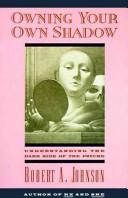
- Write a 500-word reflection on your own shadow: What traits, desires, or impulses do you typically deny or repress? How might these show up in your projections onto others?
- Conduct an 'anima/animus inventory': Identify 2–3 figures (real or fictional) that represent your inner contrasexual figure. What qualities do they embody? How might developing these qualities support your individuation?
- Select one symbol from 'Man and His Symbols' (e.g., the mandala, the tree, water, fire) and trace its meaning across at least two different cultural or mythological contexts discussed in the book. Write a brief analysis of its universal versus culturally specific meanings.
- Practice active imagination: Spend 15 minutes in a quiet space and visualize a dialogue with an archetypal figure or your shadow self. Write down the conversation. What did this figure want to communicate?
Next up: This stage grounds you in Jung's foundational concepts and the language of the unconscious, preparing you to explore how these principles apply to specific psychological phenomena—such as complexes, psychological types, and the stages of life—in the next stage.
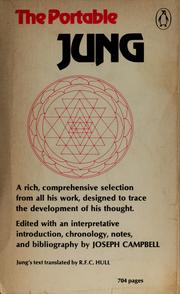
Edited by Joseph Campbell, this anthology selects Jung's most essential essays in a logical order, giving the reader authentic primary-source exposure without the intimidation of the full Collected Works.

Jung's only book written explicitly for a general audience, richly illustrated and covering archetypes, dreams, and symbolism — a perfect bridge between secondary introductions and his denser original texts.
Going Deeper: Dreams, the Shadow, and Individuation
IntermediateDevelop a working understanding of Jungian dream interpretation, the individuation process, and the darker aspects of the psyche (shadow, projection), and begin reading Jung's own theoretical writing directly.
▸ Study plan for this stage
Pace: 8–10 weeks, ~25–30 pages/day (accounting for Jung's density in Part 2)
- Dream interpretation as a dialogue with the unconscious: amplification, active imagination, and personal associations as tools for understanding dream symbolism
- The shadow as the repository of repressed, denied, and inferior aspects of the psyche; projection as the mechanism by which shadow content appears in others
- Individuation as the central process of psychological development: integrating unconscious material to become a whole, authentic self
- The Self as the organizing center and goal of individuation, distinct from the ego
- Archetypes as universal patterns in the collective unconscious, including the shadow, anima/animus, and Self
- Jung's concept of the psyche as fundamentally compensatory: dreams and symptoms reveal what consciousness neglects or denies
- The distinction between personal unconscious (repressed individual material) and collective unconscious (universal archetypal patterns)
- Aion's framework of the ego-Self axis and the stages of psychological maturation across the lifespan
- What is amplification in Jungian dream work, and how does it differ from Freudian interpretation? How would you amplify a dream image from your own dreams?
- Define the shadow and explain how projection works. Can you identify a recent projection in your own life or relationships?
- What is individuation, and why does Jung consider it the central task of the second half of life?
- How does Jung's concept of the Self differ from the ego, and what role does the Self play in the individuation process?
- Explain the compensatory function of dreams and the unconscious. How might a dream about being chased relate to waking life attitudes?
- What are archetypes, and how do they differ from personal complexes? Give examples of archetypal patterns you recognize in myths, literature, or your own psyche.
- Keep a dream journal for 4–6 weeks, recording dreams immediately upon waking. Select one vivid dream and practice amplification: list free associations, cultural/mythological parallels, and emotional resonances for each major image.
- Conduct a shadow inventory: identify a person who irritates or fascinates you, list their qualities, and honestly assess which of those qualities you deny or repress in yourself. Write a reflective piece on what this projection reveals.
- Practice active imagination with a dream figure or shadow aspect: sit quietly, visualize the image, and allow it to 'speak' or move. Record the dialogue or impressions in writing.
- Create a personal myth or narrative of your own individuation journey so far: identify key psychological turning points, losses, integrations, and the direction you sense yourself moving toward.
- Read and annotate a short passage from Aion (e.g., on the ego-Self relationship or a specific life stage). Write a 1–2 page reflection connecting Jung's framework to your own psychological development.
- Analyze a recurring dream or symptom through the lens of compensation: what is consciousness refusing to see or accept? What might the unconscious be trying to communicate?
Next up: This stage grounds you in Jung's core concepts and interpretive methods, preparing you to engage more independently with Jung's theoretical and clinical writings and to explore advanced topics such as complexes, synchronicity, and the transcendent function in subsequent stages.
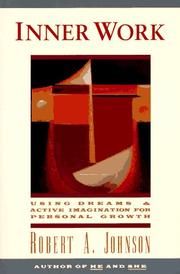
A practical and lucid guide to working with dreams and active imagination — it gives the reader hands-on tools that make Jung's abstract concepts feel concrete and personally relevant.
Jung's focused study of the Self, the shadow, and the Christ archetype as a symbol of the Self — a key primary text that deepens understanding of individuation and the structure of the psyche.
The Analytical Psychology Foundations
IntermediateEngage with Jung's foundational theoretical frameworks — psychological types, the structure of the unconscious, and the nature of the psyche — through his most important standalone works.
▸ Study plan for this stage
Pace: 8–10 weeks, ~40–50 pages/day (accounting for dense theoretical material requiring re-reading and reflection)
- The four psychological functions (Thinking, Feeling, Sensation, Intuition) and their role in personality differentiation
- Introversion and Extraversion as fundamental attitudes that orient libido and determine type dynamics
- The structure of the psyche: conscious ego, personal unconscious, and collective unconscious as layered systems
- Complexes as autonomous psychic units with their own energy and influence on behavior and consciousness
- The shadow as the repository of repressed, undeveloped, and socially unacceptable aspects of the personality
- Individuation as the central goal of psychological development and the integration of unconscious contents
- The relationship between psychological type and neurosis: how type imbalance creates psychological conflict
- Symbols and symbolic thinking as the bridge between conscious and unconscious processes
- How do the four psychological functions operate, and what is the difference between a superior function and an inferior function in Jung's model?
- What is the distinction between introversion and extraversion, and how do these attitudes shape a person's psychological development?
- Describe the structure of the psyche according to Jung: what are the conscious and unconscious layers, and how do they interact?
- What is a complex, and how does Jung's concept of complexes explain psychological symptoms and behavioral patterns?
- What is the shadow, and why is confronting the shadow essential to individuation?
- How does psychological type relate to neurosis and psychological health in Jung's framework?
- What role do symbols play in Jungian psychology, and how do they facilitate communication between conscious and unconscious?
- Create a detailed personality profile of yourself using Jung's four functions and the introversion–extraversion axis; identify your likely type and reflect on how it manifests in your daily choices, relationships, and conflicts
- Map your personal unconscious by identifying 3–5 of your own complexes (emotional triggers, recurring patterns, sensitive topics); trace their origins and observe how they influence your behavior
- Conduct a shadow inventory: list qualities you dislike in others, then honestly assess whether these are projections of your own shadow; journal on what these projections reveal about your undeveloped potential
- Analyze a dream or recurring fantasy using Jung's symbolic approach; identify archetypal imagery and explore what the unconscious may be communicating to your conscious mind
- Read a passage from 'Psychological Types' or 'Two Essays' that challenges your current understanding, then write a dialogue between your conscious perspective and an imagined counter-argument from Jung
- Observe a person close to you (or a public figure) and hypothesize their psychological type based on Jung's framework; note how their type might explain their strengths, blind spots, and potential areas of growth
Next up: This stage establishes the structural and dynamic foundations of Jung's psychology—the types, the layered psyche, and the concept of individuation—preparing you to explore the specific archetypal forces (the Self, the Anima/Animus, the Wise Old Man, etc.) that populate the collective unconscious and drive psychological transformation in the next stage.

Jung's landmark work introducing introversion/extraversion and the four functions — essential for understanding how he conceived of individual differences and the architecture of consciousness.

Considered the best single-volume introduction to Jung's theoretical system in his own words, covering the personal and collective unconscious, the persona, and the process of individuation.
Advanced Territory: Myth, Alchemy, and the Collective Unconscious
ExpertReach the full depth of Jungian thought by exploring his most ambitious works on myth, synchronicity, and alchemy as a symbolic map of psychological transformation.
▸ Study plan for this stage
Pace: 8–10 weeks, ~40–50 pages/day (with 2–3 reflection days per week). "The Archetypes and the Collective Unconscious" (4–5 weeks); "Psychology and Alchemy" (3–4 weeks); final 1 week for integration and synthesis.
- The collective unconscious as a transpersonal layer of the psyche containing universal archetypal patterns shared across all humanity
- Archetypes as autonomous complexes and primordial images (Shadow, Anima/Animus, Self, Wise Old Man/Woman, Hero, etc.) that structure human experience and mythology
- Synchronicity as meaningful coincidence—acausal connection between inner psychological states and outer events, bridging psychology and physics
- Alchemy as a symbolic language and psychological map where chemical operations represent stages of individuation and the integration of opposites
- The Self as the goal of individuation: the transcendent center and totality of the psyche that reconciles conscious and unconscious
- Symbolic interpretation of alchemical texts and operations (nigredo, albedo, citrinitas, rubedo) as stages of psychological transformation
- The relationship between myth, dream, and archetype: how universal symbols emerge in religious traditions, fairy tales, and personal psychology
- Enantiodromia and the union of opposites (coniunctio) as the mechanism of psychological growth and wholeness
- What is the collective unconscious, and how does it differ from the personal unconscious? Provide examples of archetypal content from 'The Archetypes and the Collective Unconscious.'
- Define the major archetypes (Shadow, Anima/Animus, Self, Wise Old Man/Woman) and explain how each functions in psychological development and appears in mythology or dreams.
- What is synchronicity according to Jung, and how does it challenge conventional causality? Give examples from the text.
- How does Jung use alchemy as a symbolic system in 'Psychology and Alchemy'? What do the four stages (nigredo, albedo, citrinitas, rubedo) represent psychologically?
- Explain the concept of individuation and the role of the Self as its goal. How do archetypes facilitate this process?
- How are myths, religious symbols, and personal dreams connected through archetypal patterns? Provide a specific example from either text.
- Create an archetypal inventory: identify 3–4 major archetypes active in your own psyche (Shadow, Anima/Animus, Wise Old Man/Woman, Hero, etc.). Write a 2–3 page analysis of how each manifests in your behavior, relationships, and dreams, citing specific passages from 'The Archetypes and the Collective Unconscious.'
- Dream and myth mapping: record 5–7 of your own dreams over 2–3 weeks and identify archetypal patterns in them. Cross-reference these with mythological examples Jung discusses (e.g., hero myths, underworld journeys). Create a visual map showing the connections.
- Synchronicity journal: for 2 weeks, document 5–10 instances of meaningful coincidence in your life. Analyze each using Jung's framework from 'Psychology and Alchemy'—what inner state or psychological process might have been connected to the outer event?
- Alchemical operation analysis: select one complete alchemical text or illustration that Jung interprets in 'Psychology and Alchemy' (e.g., the Rosarium Philosophorum or Emerald Tablet). Write a 3–4 page exegesis explaining the nigredo, albedo, citrinitas, and rubedo stages as psychological transformations, using Jung's commentary.
- Comparative mythology project: choose one myth (e.g., the Hero's Journey, descent to the underworld, sacred marriage) and trace it across three different cultural traditions. Explain how the archetypal pattern remains constant and what psychological function it serves, grounding your analysis in Jung's theoretical framework.
- Self-portrait through opposites: identify a major psychological conflict or tension in your life (e.g., thinking vs. feeling, control vs. surrender, ambition vs. contentment). Map this as a coniunctio (union of opposites) problem. Write a reflection on how integrating both sides might serve individuation, using concepts from 'Psychology and Alchemy.'
Next up: This stage anchors you in Jung's most visionary and symbolic work, equipping you with the archetypal and alchemical language needed to engage with his later writings on religion, meaning-making, and the transcendent dimensions of the psyche—preparing you to explore how Jungian thought addresses ultimate questions of purpose and spiritual transformation.
Volume 9 of the Collected Works and the definitive primary source on archetypes and the collective unconscious — now fully accessible after the prior stages have built the necessary vocabulary.

Jung's masterwork showing how alchemical imagery mirrors the individuation process — a demanding but rewarding culmination that synthesizes everything learned across the curriculum.
Discussion
Keep reading
Paths that share books, cover the same subject, or open a related topic.