Tortillas and Masa: The Best Books to Read, in Order
Almost no English-language book is only about masa — the literature is one modern monograph, one 1970s tortilla manual, a cultural history, and then the masa chapters buried inside Mexican cookbooks. This path is built to reflect that honestly. It starts with the two books that actually teach nixtamalization and pressing, moves to corn as a plant and a civilisation, then to the cookbooks whose masa sections are worth the whole volume, and finishes with regional cooking where masa stops being tortillas and becomes tamales, tetelas and tlayudas.
Nixtamal, masa, tortilla
BeginnerCook and slake dried corn with lime, grind or buy real masa, and press and griddle a tortilla that puffs — and be able to say exactly what masa harina is and what it costs you
▸ Study plan for this stage
Pace: Four to six weeks, scheduled by batches of corn rather than by pages. Before you start, know what the stage assumes: a heavy comal or cast-iron skillet, a tortilla press, food-grade cal, and either a mill or a source of fresh masa — everything else is a bowl and a pot. Jorge Gaviria's Masa has no pa
- Nixtamalization: what the lime does to the kernel's pericarp and to its nutrition
- Cook time and steep time as separate variables, and what over-cooking costs you in texture
- Grind coarseness and hydration as the two things that decide whether a tortilla puffs
- Masa harina as dehydrated, industrially processed masa — what it saves and what it removes
- Comal temperature and the three-turn method that produces the puff
- Landrace corn varieties as an ingredient choice with real flavour consequences
- What is chemically different about a nixtamalized kernel, and why does it matter beyond flavour?
- What are the symptoms of too much lime, too little lime, and too long a cook?
- Why does a tortilla puff, and what are the three most common reasons yours does not?
- What exactly do you lose by using masa harina, and when is that trade worth making?
- What does Stupak change to make this work at service volume, and what does he refuse to change?
- Cook and slake one batch of corn, grind it, and press tortillas the same day; write down lime ratio, cook time, steep time and the result.
- Make tortillas from fresh masa and from masa harina in the same session and taste them side by side, hot and then an hour later.
- Deliberately press one batch too thin and one too thick and cook both on the same comal to find your own tolerance.
- Run Stupak's troubleshooting list against your last failed batch and identify which stage it actually failed at.
Next up: You can now make the thing; the next stage explains why anyone had to invent this process in the first place.

Catalogued simply as Masa. Gaviria founded Masienda and this is the modern authority: landrace corn varieties, lime ratios, cook and steep times, grinding, and a clear-eyed comparison of fresh masa against masa harina. Start here — nothing else in English covers the chemistry at this level.
Kennedy's 1975 manual, written when almost no American kitchen had seen a tortilla press, and still the best step-by-step on handling the dough — hydration, resting, pressing thickness, comal temperature. Read it as the technique companion to Gaviria's theory.

Catalogued as Tacos. Stupak opens with an unusually detailed nixtamal and masa workflow for a restaurant kitchen, including what goes wrong at each stage, then builds outward. Placed third because it shows the technique under production pressure.
The corn underneath
IntermediateUnderstand maize as a domesticated plant and a staple economy — why nixtamalization exists at all, what pellagra taught about it, and how industrial masa harina reshaped a national diet
▸ Study plan for this stage
Pace: Five to six weeks for 1,039 pages, all reading and no cooking — keep a weekly batch of masa going in the background so the practice does not lapse. Michael Blake's Maize for the Gods (280 pages) goes first and slowest: it is an archaeologist's account of domestication from teosinte, at 20 to 25 page
- Teosinte to maize: what domestication actually changed about the plant
- Pellagra and the nutritional consequence of adopting maize without alkaline processing
- Why the alkaline tradition travelled with the plant in some directions and not others
- Industrial masa harina and its effect on a national diet and on tortillería economics
- Corn as a world commodity outside the Americas, which is where Jones is useful
- The tortilla as a regulated, priced, politically visible staple rather than a neutral food
- Why did maize require processing to be nutritionally viable, and what evidence supports the timing of that discovery?
- What happened when maize was adopted without nixtamalization, and where?
- How did mechanised tortilla production change who makes tortillas and what they cost?
- Where do Fussell's American focus and Jones's global one give different pictures of the same crop?
- What does Morton show about the tortilla's move into the United States that the cookbooks never mention?
- Trace the domestication chronology from Blake onto a single sheet and mark where the alkaline process appears in the record.
- Read Morton on tortillería production, then buy machine-made tortillas from three sources and rank them against your own, blind.
- Take one claim from Fussell about corn and ritual and check it against Blake's archaeology; note where popular history outruns the evidence.
- Cost out a kilogram of your own masa against masa harina and against bought tortillas, and set the numbers beside Morton's account of price controls.
Next up: Corn understood as a plant and a commodity, the next stage puts the tortilla back where it belongs — under something.

An archaeologist's account of maize domestication from teosinte and its spread through the Americas. Read it first here: it explains why the plant needed processing to be nutritionally viable, which is the fact the whole path rests on.
Fussell writes corn as culture, ritual and industry across the Americas, with the alkaline-processing tradition placed inside a much bigger story. The most enjoyable book in the path and the best on why corn is treated so differently north and south of the border.

Catalogued as Corn. Short, and the useful counterweight to Fussell's American focus — corn as a world commodity, from Africa to Asia. Read it for scale rather than depth.

Catalogued as Tortillas. The only book here about the tortilla as an object with a politics: hand-patting to mechanised production, tortillerías, the price controls, the migration of the tortilla into the United States. Closes the stage by connecting the archaeology to the supermarket shelf.
The cuisine the tortilla belongs to
IntermediateCook the sauces, fillings and salsas a tortilla exists to carry, and know when a recipe's masa instruction is a shortcut and when it is the tradition
▸ Study plan for this stage
Pace: Six to eight weeks, and this is a cooking stage: two or three dishes a week. ⚠ Buy carefully — Diana Kennedy's The cuisines of Mexico (378 pages) is in print as part of the omnibus The Essential Cuisines of Mexico, which also contains The Tortilla Book from stage one, so if you buy the omnibus you a
- Toasting and rehydrating dried chiles as a technique with its own failure modes
- The sauce families — table salsas, cooked salsas, moles, adobos — and what distinguishes them
- Regional cooking as a real category in Mexico rather than a marketing term, which is Kennedy's argument
- When a masa instruction in a recipe is a shortcut for the reader and when it is the tradition
- Balancing a sauce by acid, fat and toasting rather than by adding heat
- Why Bayless's method translates to a non-Mexican kitchen and where it quietly compromises
- What does toasting do to a dried chile, and how do you tell when you have gone too far?
- What organises Santibañez's book, and why is sauce type a more useful axis than region for a cook?
- Where does Kennedy insist on a step that Bayless simplifies, and is she right?
- Which dishes in these books actually require fresh masa and which work with masa harina?
- What makes a mole a mole rather than a thick sauce with chiles in it?
- Cook the same salsa from Kennedy and from Santibañez and taste them against each other, then write which method you will keep.
- Build one mole from Bayless start to finish over a weekend and record the point at which the sauce changed character.
- Make three sauces from Truly Mexican in one session — one raw, one cooked, one dried-chile — and eat all three on tortillas you pressed that day.
- Take one Kennedy recipe with a masa instruction and cook it twice, once with fresh masa and once with masa harina, and say honestly whether you could tell.
Next up: The tortilla is now carrying something worth eating; the last stage is where masa stops being a tortilla at all.
The book that established Mexican regional cooking in English, with the tortilla and tamal chapters that everything since is measured against. One caution: the in-print omnibus The Essential Cuisines of Mexico combines this volume with The Tortilla Book, so buying both duplicates a purchase.
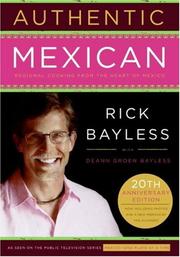
Catalogued as Authentic Mexican 20th Anniversary Ed. Bayless is the clearest teacher of the sauce and technique foundations — toasting chiles, building moles, salsa method — for a reader cooking in an American kitchen. The most usable book of this stage.
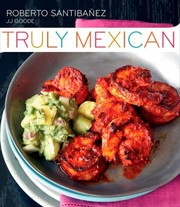
Published under Roberto Santibañez. Organised entirely by sauce type, which makes it the fastest route to understanding what goes on a tortilla and why. Read it as the reference you cook from once Bayless has taught the method.
Where masa goes beyond the tortilla
IntermediateWork masa into the regional forms it takes across Mexico — tamales, tetelas, tlayudas, memelas, atole — and appreciate how much corn variety and grind coarseness change the result
▸ Study plan for this stage
Pace: Eight to ten weeks and the most demanding stage in the path — 1,227 pages, three cooks, and forms that each need their own practice run. Diana Kennedy's Oaxaca al gusto, an infinite gastronomy (436 pages) is her late masterwork, documenting Oaxacan corn cookery village by village, and it is a refere
- Tamal masa as a different preparation from tortilla masa — fat, aeration, hydration and grind
- Tetelas, memelas and tlayudas as distinct forms with distinct masa requirements
- Coarse grind against fine grind, and which regional forms depend on which
- Atole and masa as a drink, which changes what you think masa is for
- Corn variety as a regional signature that Kennedy records village by village
- What daily nixtamalization commits a working kitchen to, on Nopalito's evidence
- How does masa for tamales differ from masa for tortillas, and what happens if you use the wrong one?
- Which of the Oaxacan forms depend on a specific corn or a specific grind, on Kennedy's record?
- What does Kennedy document in Oaxaca al gusto that has no equivalent in any other book on this path?
- What does a restaurant have to change to nixtamalize every day, and what does it get back?
- If you could keep only one masa preparation from this stage in your regular cooking, which and why?
- Make a batch of tamal masa and a batch of tortilla masa from the same nixtamal, and cook both to see exactly where they diverge.
- Cook one Oaxacan form from Kennedy — a tetela, a memela or a tlayuda — and repeat it a week later after adjusting one variable.
- Grind one batch coarse and one fine and make the same antojito from both, then say which forms need which.
- Make atole from your own masa and drink it beside a commercial version.
- Write your own one-page process sheet for nixtamal, from corn weight to press, that you would hand to someone else in your kitchen.
Next up: This is the end of the path: the next step is a single region's corn cookery worked repeatedly, which is what Kennedy's Oaxaca volume is a lifetime's version of.

Catalogued as Oaxaca al gusto, an infinite gastronomy. Kennedy's late masterwork, documenting the corn cookery of Oaxaca village by village — the deepest record in English of masa preparations outside the tortilla. Demanding and worth it.
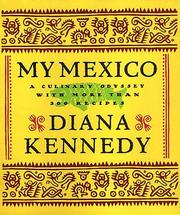
Kennedy's travel-and-recipe volume covering states the other books skip, with tamal and antojito recipes recorded from home cooks. The more approachable companion to Oaxaca al Gusto.

Published under Gonzalo González Guzmán. A working restaurant's book, and the best modern demonstration of a kitchen that nixtamalizes daily and builds a menu on that decision. The right last book: it shows the whole path applied at service scale.
Discussion
Keep reading
Paths that share books, cover the same subject, or open a related topic.