The Beatles: an ordered reading list for real fans
This curriculum takes you from a vivid, story-driven introduction to the Beatles all the way through deep musicological and cultural analysis, building knowledge at each stage. It begins with the most celebrated narrative biography, moves through song-level detail and insider accounts, and culminates in scholarly works that place the band in the broadest historical and artistic context.
Foundations: The Story
BeginnerGain a confident, chronological understanding of who the Beatles were, where they came from, and how their story unfolded from Liverpool to the break-up.
▸ Study plan for this stage
Pace: 8–10 weeks, ~40–50 pages/day (Davies first: 4–5 weeks; Anthology second: 4–5 weeks)
- Liverpool origins: the Quarrymen, Stuart Sutcliffe, and the formation of the Beatles in the early 1960s
- The Hamburg years and the band's early musical development, including the influence of rock and roll pioneers
- The rise to fame: Brian Epstein's management, the Cavern Club, and the transition from local to national phenomenon
- The Fab Four lineup: how John, Paul, George, and Ringo became the definitive members and their individual personalities
- The creative evolution: from Please Please Me through Sgt. Pepper's, tracking how their songwriting, production, and ambition grew
- The psychedelic era and cultural impact: how the Beatles shaped the 1960s and influenced music, fashion, and society
- Internal tensions and the path to dissolution: business disputes, creative differences, and the events leading to the 1970 break-up
- The Beatles' legacy: their influence on recording techniques, album concepts, and popular music as art form
- What were the key events and people that led to the formation of the Beatles in Liverpool, and how did the band's membership evolve before reaching the classic four-member lineup?
- How did the Hamburg experience shape the Beatles' musical style and stage presence, and why was this period crucial to their development?
- What role did Brian Epstein play in transforming the Beatles from a local Liverpool band into an international phenomenon?
- Trace the major albums and creative turning points from Please Please Me to Abbey Road—what artistic risks did the band take, and how did their approach to recording change?
- What were the main sources of tension within the band during the late 1960s, and how did these conflicts contribute to their eventual break-up?
- How did the Beatles' music and public image reflect and influence the cultural movements of the 1960s?
- Create a detailed timeline of the Beatles' history from 1956 to 1970, marking key lineup changes, album releases, major events (tours, films, cultural moments), and turning points in their creative direction.
- Listen to one album from each major era (early: Please Please Me; mid: Rubber Soul; psychedelic: Sgt. Pepper's; late: Abbey Road) and write 1–2 pages analyzing how the production, songwriting, and band's musical ambitions evolved across these albums.
- Write character sketches of John, Paul, George, and Ringo based on Davies and the Anthology—focus on their personalities, musical strengths, songwriting styles, and how they complemented or clashed with each other.
- Map out the business and personal conflicts that emerged in the late 1960s (Apple Records, Yoko Ono's presence, producer choices, etc.) and explain how each contributed to the band's dissolution.
- Select three songs from different periods of the Beatles' career and research their origins, recording process, and cultural context using the books—write a short essay on how each song reflects the band's evolution.
- Create a visual or written comparison of how the Beatles were perceived in different eras (early Beatlemania, psychedelic experimenters, studio innovators, fractured group) and cite specific examples from the books that illustrate these shifts.
Next up: This stage provides the chronological and biographical foundation necessary to understand the Beatles' artistic decisions, cultural significance, and influence—preparing you to dive deeper into specific albums, songwriting partnerships, and musical analysis in the next stage.
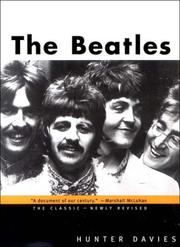
The only biography written with full cooperation from all four Beatles during their lifetime — the perfect first book, grounding you in their personalities, relationships, and rise to fame in an authoritative yet accessible way.
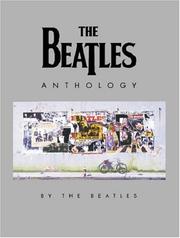
The band's own oral history, compiled from hundreds of hours of interviews, gives you their voices directly and fills in the emotional texture of the story you just read in Davies.
The Music: Song by Song
BeginnerDevelop a working vocabulary for discussing Beatles music and understand the creative evolution of their catalogue from 'Love Me Do' to 'Abbey Road'.
▸ Study plan for this stage
Pace: 8–10 weeks, ~25–30 pages/day (alternating between both books; start with Lewisohn's sessions guide, then deepen with MacDonald's analysis)
- Recording studio techniques and production methods used across Beatles albums (4-track, 8-track, overdubbing, compression, microphone placement)
- The chronological evolution of Beatles songwriting from early covers and simple arrangements to complex multi-tracked compositions
- Key personnel in the studio: George Martin's role as producer, engineer Geoff Emerick's innovations, and how session musicians contributed to specific tracks
- Musical vocabulary for analyzing Beatles songs: chord progressions, harmonic innovations, instrumentation choices, and structural departures from pop conventions
- How technological constraints and breakthroughs shaped creative decisions (e.g., the limitations of 4-track recording on early albums vs. the possibilities of 8-track on Sgt. Pepper's)
- The relationship between live performance capabilities and studio experimentation—why later albums abandoned touring
- Cultural and artistic influences on specific songs and albums (Indian music, psychedelia, avant-garde, classical composition)
- How did the available recording technology (4-track vs. 8-track vs. 16-track) directly influence the arrangements and production choices on specific Beatles albums?
- What was George Martin's primary contribution to the Beatles' sound, and how did his role evolve from Please Please Me to Abbey Road?
- Trace the evolution of one song type (e.g., love songs, experimental tracks, or rock-and-roll covers) from early Beatles to late Beatles, noting changes in instrumentation, structure, and lyrical sophistication
- How did the decision to stop touring (after 1966) enable new studio techniques and compositional approaches that would have been impossible in the live-performance era?
- What specific harmonic, melodic, or structural innovations appear on Sgt. Pepper's Lonely Hearts Club Band, and how do they differ from earlier albums?
- Identify three recording sessions or production decisions from Lewisohn's account that directly shaped the final sound of a well-known Beatles track
- Create a detailed timeline chart mapping each Beatles album release alongside the recording technology available and major studio innovations introduced in that era
- Select five songs spanning different eras (e.g., 'Love Me Do,' 'A Day in the Life,' 'Strawberry Fields Forever,' 'Come Together,' 'Because') and write a 1–2 page analysis of each using Lewisohn's session notes and MacDonald's musical commentary
- Listen to a song in multiple versions (e.g., demo, alternate take, final mix) and document the specific production choices that changed between versions, referencing Lewisohn's session details
- Conduct a 'studio archaeology' exercise: pick one album and trace how each track was recorded (number of takes, overdubs, instruments used, session dates) using Lewisohn, then listen with this knowledge in mind
- Write comparative analyses of three George Martin production decisions across different albums, explaining how his approach shifted and why
- Create a glossary of 20–30 recording and musical terms encountered in both books (e.g., 'varispeeding,' 'ADT,' 'mellotron,' 'backwards tracking,' 'compression') with definitions and examples from specific Beatles tracks
Next up: This stage equips you with the technical vocabulary and historical context to analyze Beatles music at a granular level, preparing you to explore the cultural impact, songwriting philosophy, and biographical influences behind the music in the next stage.

A meticulous, studio-by-studio account of every recording session — reading this alongside the Anthology gives you the 'how' behind every song and introduces you to the craft of their music-making.
The definitive song-by-song critical guide, analysing every Beatles track in chronological order; MacDonald's writing is rich but accessible, and this book transforms casual listeners into informed ones.
Inside the Inner Circle
IntermediateUnderstand the Beatles from the perspectives of the people closest to them — their producer, manager, and the studio itself — to see the machinery and relationships behind the music.
▸ Study plan for this stage
Pace: 8–10 weeks, ~40–50 pages/day. Start with Emerick's memoir (approximately 300 pages) over 6–7 weeks, then transition to Miles's oral biography (approximately 400 pages) over 3–4 weeks. Allow 1–2 weeks for overlap and reflection.
- The role of the recording studio as an instrument: how Emerick and the Beatles used Abbey Road's technology and acoustics as a creative tool, not just a capture device
- Producer-artist collaboration: Emerick's relationship with the Beatles, his influence on their sonic evolution, and how trust and experimentation shaped their sound
- The technical innovations behind iconic recordings: understanding the specific microphone placements, tape techniques, and mixing decisions that created their signature sound
- Paul McCartney's creative process and songwriting philosophy: his approach to melody, arrangement, harmony, and how he worked with the band and producer
- The band dynamics and interpersonal relationships: how the Beatles' internal chemistry, conflicts, and creative partnerships influenced the music during different eras
- The evolution of the Beatles' ambitions: from live performance to studio-focused artistry, and how this shift changed their approach to recording
- Emerick's perspective on the band's decline and the Let It Be sessions: understanding the studio environment and relationships during their most turbulent period
- The intersection of technology and artistry: how the limitations and possibilities of 1960s recording technology shaped creative decisions
- How did Geoff Emerick's technical innovations and studio techniques directly influence the sound of specific Beatles albums or songs? Provide at least two concrete examples.
- What was the nature of Emerick's relationship with the Beatles, and how did his role as engineer/producer evolve over time?
- According to Barry Miles's interviews with Paul McCartney, what were Paul's primary songwriting influences and his philosophy on melody and arrangement?
- How did the Beatles' transition from live performers to studio artists change their creative approach, and what role did the studio environment play in this shift?
- What were the key interpersonal dynamics and conflicts within the band during the periods covered by these books, and how did they affect the music?
- How did Paul McCartney describe his working relationship with John Lennon, and what does this reveal about their creative partnership?
- Create a detailed timeline of Emerick's major technical innovations (e.g., close-miking drums, ADT, varispeeding) and match each to specific Beatles recordings. Listen to before-and-after examples and write 200 words on how each innovation changed the sound.
- Choose one song from the books (e.g., 'A Day in the Life,' 'Tomorrow Never Knows,' 'Let It Be') and write a detailed analysis combining Emerick's technical account with Paul's creative intentions as described by Miles.
- Conduct a 'studio session simulation': select a Beatles song and, using Emerick's descriptions of microphone placement and mixing, write out a hypothetical session plan as if you were engineering it yourself.
- Compare and contrast Emerick's perspective on a specific album (e.g., Sgt. Pepper's, The White Album) with Paul's perspective as recounted by Miles. Write 300 words on where their views align and diverge.
- Create an annotated listening guide to 5–6 tracks, noting the technical and creative decisions described in both books. Share it with a study partner or online community and discuss what you hear.
- Interview someone in your life about their creative process (music, writing, art, etc.) and map their approach onto the frameworks described by Emerick and Paul—how do they use their 'studio' or workspace as a tool?
Next up: This stage reveals the intimate machinery of Beatles creation—the studio, the producer, and the songwriters' minds—preparing you to examine the broader cultural, historical, and artistic legacy of the band in the next stage, where you'll understand how their innovations influenced music and society at large.
Written by their recording engineer, this book puts you inside Abbey Road for the making of Revolver, Sgt. Pepper, and beyond — essential for understanding how their sonic ambitions were actually achieved.
An authorised biography of Paul McCartney based on extensive interviews, offering a deep counterpoint to Lennon-centric narratives and illuminating McCartney's central creative role.
Deep Dives: Albums & Eras
IntermediateAnalyse the Beatles' greatest and most complex works at the album level, understanding the cultural moment and artistic choices behind their peak creative output.
▸ Study plan for this stage
Pace: 8–10 weeks, ~40–50 pages/day (alternating between Lewisohn's detailed narrative and Weber's analytical framework)
- The Beatles' creative evolution from early Hamburg days through their peak studio years, as documented in Lewisohn's meticulous chronology
- How historical and cultural contexts shaped specific albums and artistic decisions (Lewisohn's contextual approach)
- The role of production techniques, studio innovation, and technological constraints in shaping their sound across eras
- How different historians interpret and construct narratives about the Beatles' work and legacy (Weber's historiographical lens)
- The relationship between commercial pressures, artistic ambition, and creative output during their most prolific period
- Key albums as cultural artifacts that reflect and influenced the broader social movements of the 1960s
- How primary sources, documentation, and archival evidence support or challenge popular Beatles narratives
- How does Lewisohn's chronological approach in Tune In reveal the incremental steps in the Beatles' artistic development that might be obscured in other accounts?
- What were the specific cultural and technological conditions that made albums like Sgt. Pepper's or The White Album possible, and how did they differ from earlier recording contexts?
- How do different historians (as examined in Weber's work) construct competing narratives about the same Beatles events or albums, and what evidence do they prioritize?
- What role did producer George Martin, recording engineer Geoff Emerick, and studio technology play in the sonic evolution documented across Lewisohn's timeline?
- How did the Beatles' shift from live performance to studio-focused work (documented in Tune In) fundamentally change their creative process and output?
- What are the historiographical challenges in writing about the Beatles, and how does Weber address questions of bias, mythology, and historical accuracy?
- Create a detailed timeline of 3–4 major Beatles albums (e.g., Rubber Soul, Revolver, Sgt. Pepper's) using Lewisohn's chronology, noting specific recording dates, personnel, and technological innovations for each
- Select one album and write a 2–3 page analytical essay examining how the cultural moment (using Lewisohn's contextual details) influenced its artistic direction and sonic choices
- Compare how two different historians (or historical accounts referenced in Weber) interpret the same album or creative period; identify their sources, assumptions, and interpretive frameworks
- Listen actively to 2–3 key albums in chronological order while reading Lewisohn's corresponding sections, noting how production techniques and arrangement choices evolved
- Create a historiographical analysis: identify one popular Beatles myth or narrative and trace how Weber's framework would interrogate its sources and validity
- Conduct a 'source audit' for one major album: list the primary sources (interviews, studio notes, producer accounts) that Lewisohn cites and evaluate their reliability and potential biases
Next up: This stage equips you with both a granular, evidence-based understanding of the Beatles' creative trajectory and a critical awareness of how historical narratives are constructed, preparing you to evaluate competing interpretations and engage with more specialized or revisionist Beatles scholarship in subsequent stages.

The first volume of Lewisohn's monumental, definitive biography covers 1940–1962 in extraordinary depth — by this stage you have the context to fully appreciate its forensic detail and it reframes everything you've already learned.

A scholarly examination of how Beatles historiography has been constructed and contested — ideal at this stage to help you read critically and understand why different accounts conflict.
Legacy & Cultural Impact
ExpertPlace the Beatles in the widest possible cultural, sociological, and musical context, understanding why they remain the most studied and influential band in popular music history.
▸ Study plan for this stage
Pace: 8–10 weeks, ~40–50 pages/day (mix of both books, alternating or parallel reading)
- The Beatles as a product of post-war British culture, Liverpool's working-class identity, and the transatlantic music exchange that shaped their sound and appeal
- How the Beatles' evolution from rock and roll interpreters to studio innovators reflected and accelerated broader shifts in popular music, youth culture, and artistic ambition
- The Rolling Stones as a counterpoint: how the Stones' blues-rooted, rebellious brand contrasted with the Beatles' pop accessibility, and how this rivalry drove both bands' artistic development
- The Beatles' role in legitimizing popular music as a serious cultural and artistic form worthy of critical attention and academic study
- The mechanisms of Beatlemania and mass fandom as a sociological phenomenon, including gender, generational identity, and media's role in constructing celebrity
- How the Beatles' business acumen, record label innovations, and control of their own image set new standards for artist autonomy and shaped the modern music industry
- The Beatles' influence on subsequent genres, production techniques, and the concept of the 'album as art form' that defined rock music's cultural prestige
- The comparative cultural legacies of the Beatles and Stones: why the Beatles achieved canonical status while the Stones became the ultimate 'rock and roll' institution
- How did Liverpool's post-war cultural and economic context shape the Beatles' musical identity and their ability to connect with both British and American audiences?
- What were the key differences in how the Beatles and Rolling Stones approached blues and rock and roll, and how did this rivalry influence both bands' artistic trajectories?
- How did the Beatles' transition from live performers to studio artists reflect and accelerate changes in how popular music was created, consumed, and valued by society?
- What role did gender, generational identity, and media machinery play in creating and sustaining Beatlemania, and what does this reveal about 1960s popular culture?
- How did the Beatles' business decisions—including their relationship with Apple Records and their control over their own image—reshape the music industry's power dynamics?
- Why have the Beatles achieved a more enduring 'canonical' or 'serious art' status compared to the Rolling Stones, despite the Stones' longevity and continued relevance?
- Create a timeline mapping the Beatles' musical evolution (from 'Please Please Me' to 'Let It Be') alongside major cultural events and the Stones' corresponding releases; annotate how each Beatles album responded to or influenced the Stones' direction
- Read Gould's analysis of Beatlemania (particularly his sociological breakdown) and write a 2–3 page essay explaining how gender and generational identity functioned in fan culture; support with specific examples from the text
- Compare two parallel albums—e.g., 'Rubber Soul' vs. 'Aftermath' or 'Sgt. Pepper's' vs. 'Their Satanic Majesties Request'—analyzing how McMillian's framework explains their different artistic ambitions and cultural reception
- Trace the business and production innovations Gould highlights (e.g., Epstein's management, Abbey Road's studio techniques, Apple Records' structure) and create a visual diagram showing how these changed the music industry's standard practices
- Select one genre or artist influenced by the Beatles (e.g., psychedelic rock, prog rock, or a specific artist like Pink Floyd or David Bowie) and write a short analysis of how Gould's and McMillian's arguments about the Beatles' legacy help explain that influence
- Conduct a close reading of McMillian's comparative analysis of the Beatles and Stones' public personas and business strategies; write a reflection on why the Beatles' 'artistic' image has proven more durable than the Stones' 'dangerous rebel' image
Next up: This stage establishes the Beatles as a watershed moment in popular music history and cultural authority; the next stage should deepen into either the specific artistic/technical innovations that made this legacy possible, or explore how subsequent artists and genres have directly engaged with or reacted against the Beatles' canonical status.

A sweeping cultural history that weaves together music criticism, social history, and biography — the most intellectually ambitious single-volume Beatles book, best appreciated after you've built a strong foundation.

By examining the Beatles through their rivalry and contrast with the Rolling Stones, this book sharpens your understanding of what was distinctly 'Beatles' about their art, image, and cultural meaning.
Discussion
Keep reading
Paths that share books, cover the same subject, or open a related topic.