Sleep training for babies: books to understand infant sleep
This curriculum starts by building a solid understanding of infant sleep biology and normal development before introducing the major sleep-training philosophies side by side. Stages progress from foundational science and reassurance, through the classic structured and gentle methods, and finally into evidence-based synthesis and pediatric guidance — equipping parents to make an informed, family-specific choice.
Foundations: How Baby Sleep Actually Works
BeginnerUnderstand the biology of infant sleep, normal developmental patterns, and why sleep matters — building the vocabulary needed to critically evaluate any training method.
▸ Study plan for this stage
Pace: 2–3 weeks, ~25–30 pages/day (approximately 150–180 pages total for the foundational chapters on infant sleep biology and development)
- Circadian rhythms and ultradian rhythms in infants: how they develop and differ from adult sleep architecture
- Sleep states (REM vs. non-REM) and how they manifest differently in newborns and older babies
- The concept of sleep pressure and homeostatic sleep drive: why babies become overtired and how this affects behavior
- Developmental milestones in sleep consolidation: from newborn polyphasic sleep to consolidated nighttime sleep (roughly 3–6 months)
- The role of melatonin, cortisol, and other neurochemical regulators in establishing infant sleep patterns
- Normal sleep duration and nap patterns by age: realistic expectations for newborns, 3-month-olds, 6-month-olds, and beyond
- Why sleep deprivation in infants manifests as hyperactivity and fussiness rather than drowsiness (paradoxical arousal)
- The biological foundation for why sleep training works: how environmental and behavioral consistency can reinforce developing circadian and ultradian rhythms
- Explain the difference between circadian and ultradian rhythms in infant sleep, and why both matter for understanding when a baby is biologically ready to sleep
- What are the key neurochemical changes that occur between birth and 3–4 months that allow babies to consolidate sleep into longer stretches?
- Why does an overtired baby often appear hyperactive or more difficult to settle, rather than simply falling asleep easily?
- Describe the typical progression of sleep consolidation from newborn to 6 months: when do most babies develop a discernible nighttime sleep period?
- How do REM and non-REM sleep differ in newborns compared to older infants and adults, and what does this tell us about infant brain development?
- What does Weissbluth mean by 'sleep pressure' and 'sleep debt,' and how can parents recognize these states in their own baby?
- Create a detailed sleep biology glossary (circadian rhythm, ultradian rhythm, REM, non-REM, melatonin, cortisol, sleep pressure, overtiredness) with definitions in your own words and one example for each from the book
- Track your own baby's sleep for 3–5 days using a simple log (wake times, nap times, duration, behavior before/after sleep); then map these observations onto Weissbluth's developmental norms for your baby's age and identify patterns
- Draw or diagram the typical sleep architecture progression from newborn to 6 months, labeling when circadian rhythm consolidation typically occurs and when most babies can first sleep 5+ hours at night
- Write a one-page explanation of why an overtired baby becomes harder to settle (not easier), using Weissbluth's explanation of paradoxical arousal and neurochemical arousal systems
- Identify your baby's current age/stage in Weissbluth's developmental framework and write down: realistic sleep duration expectations, typical nap count, and the biological processes still developing at this stage
- Discuss with a partner or write a reflection: which aspects of infant sleep biology surprised you most, and how does understanding the 'why' change your perspective on your baby's sleep behavior?
Next up: This foundation in sleep biology and developmental norms equips you to evaluate sleep training methods critically—you'll understand not just what to do, but why certain approaches align with (or work against) your baby's developing neurochemistry and circadian system.
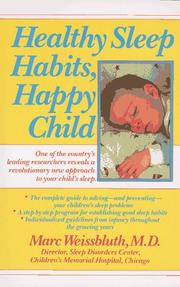
A pediatrician-authored classic that explains sleep cycles, sleep pressure, and age-by-age norms in plain language — essential vocabulary before comparing methods.
The Structured Methods: Clear Schedules and Graduated Response
BeginnerUnderstand the evidence and practical mechanics behind the most widely studied structured sleep-training approaches, including cry-it-out and graduated extinction.
▸ Study plan for this stage
Pace: 4–5 weeks, ~40–50 pages/day. Start with "On Becoming Baby Wise" (weeks 1–2, ~280 pages), then move to "Solve Your Child's Sleep Problems" (weeks 3–5, ~300 pages). Allocate 2–3 days per book for review and consolidation.
- Parent-directed feeding and sleep schedules (PDF) as foundational to establishing predictable sleep patterns in babies
- The concept of 'sleep training readiness' and age-appropriate timing for structured sleep interventions
- Graduated extinction (Ferber method) as a systematic approach: checking intervals, reassurance techniques, and progressive independence
- Cry-it-out (extinction) versus graduated response: differences in parental involvement, emotional impact, and effectiveness timelines
- Sleep associations and how babies develop dependency on external soothing (rocking, feeding, parental presence) versus self-soothing
- The role of consistent bedtime routines and environmental factors (darkness, temperature, white noise) in supporting structured sleep training
- How to interpret and respond to protest crying versus pain/distress crying during sleep training
- Tracking progress: sleep logs, wake patterns, and adjusting the method based on individual baby temperament and family circumstances
- What is the Parent-Directed Feeding (PDF) approach in 'On Becoming Baby Wise,' and how does it differ from demand feeding in terms of sleep training outcomes?
- Explain the Ferber method (graduated extinction) from 'Solve Your Child's Sleep Problems': what are the checking intervals, and how does parental reassurance work within this framework?
- What are the key differences between cry-it-out (full extinction) and graduated extinction, and what does the research in these books suggest about their relative effectiveness and emotional impact?
- According to these books, what age ranges and developmental milestones should parents consider before starting structured sleep training?
- How do sleep associations form, and why do 'On Becoming Baby Wise' and Ferber's work emphasize teaching babies to fall asleep independently?
- What signs indicate that a baby is experiencing genuine distress (pain, hunger, illness) versus protest crying during sleep training, and how should parents respond differently?
- Create a detailed sleep log for a hypothetical baby (or your own) for 7 days, tracking nap times, bedtime, night wakings, and duration of sleep. Identify current sleep associations and patterns before implementing any method.
- Design a bedtime routine (15–30 minutes) based on principles from both books, including environmental setup, feeding timing, and wind-down activities. Write it out step-by-step and practice narrating it.
- Map out a graduated extinction plan using Ferber's checking intervals: define your initial check times (e.g., 3, 5, 10 minutes), what you will say/do during checks, and how you'll adjust intervals over successive nights.
- Compare and contrast cry-it-out versus graduated extinction by creating a two-column chart: list the mechanics, expected timelines, parental involvement, and emotional considerations for each approach.
- Role-play or write out 3–4 scenarios: a baby crying at bedtime, a baby waking at 2 a.m., a baby with a genuine diaper issue. For each, decide which method applies and what your response would be according to the books.
- Interview or survey 2–3 parents who have used structured sleep training. Ask them which method they chose, why, how long it took, and what surprised them. Compare their experiences to the frameworks in the books.
Next up: This stage equips you with the mechanics and evidence behind the most popular structured methods, preparing you to evaluate gentler alternatives, troubleshoot common obstacles, and adapt these approaches to your family's values and circumstances in the next stage.
Introduces parent-led scheduling and feed-wake-sleep cycles; reading it first establishes the structured end of the spectrum before comparing gentler alternatives.
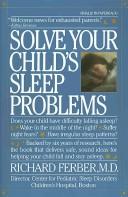
The definitive source on graduated extinction ('Ferberizing'); Ferber explains the science behind sleep associations and provides the step-by-step protocol parents most often hear about.
The Gentle Methods: Attachment-Based and No-Cry Approaches
IntermediateUnderstand attachment-informed and minimal-crying alternatives, and learn how to apply them practically — enabling a direct, fair comparison with structured methods.
▸ Study plan for this stage
Pace: 4–5 weeks, ~25–30 pages/day. Start with "The No-Cry Sleep Solution" (approximately 300 pages over 2 weeks), then move to "The Baby Sleep Book" (approximately 400 pages over 2–3 weeks).
- The foundational principle of gentle sleep training: respecting the child's emotional needs while gradually building independent sleep skills without cry-it-out methods
- Attachment theory applied to infant sleep: how secure attachment and responsive parenting support healthy sleep development
- The sleep log and observation method: using detailed tracking to identify patterns, triggers, and individual baby needs before intervening
- Pantley's core techniques: the 'Pantley Pull-Off,' gradual withdrawal, and environmental adjustments as low-pressure alternatives to extinction
- Sears' concept of 'nighttime parenting' and the continuum of sleep options: co-sleeping, room-sharing, and responsive night parenting as valid long-term approaches
- Developmental readiness and individual temperament: recognizing that babies have different sleep needs and that one-size-fits-all approaches may not honor the child's biology
- Practical troubleshooting: identifying common sleep issues (night wakings, early morning waking, nap resistance) and applying gentle, customized solutions
- The role of daytime connection and emotional security in nighttime sleep: how attachment during waking hours directly influences sleep quality
- What is the core philosophy behind Pantley's no-cry approach, and how does it differ fundamentally from cry-it-out methods in terms of the parent-child relationship?
- Describe the Pantley Pull-Off technique and explain when and why you would use it as a first step in addressing sleep associations.
- How does Sears define 'nighttime parenting,' and what does he mean by the 'continuum of sleep options'? Why does he argue there is no single 'right' way to sleep?
- What role does the sleep log play in both Pantley's and Sears' approaches, and what specific information should you track to identify your baby's sleep patterns?
- Explain the connection between daytime attachment and nighttime sleep quality according to both authors. How might a baby's daytime emotional security influence their ability to sleep independently?
- What are the key differences in how Pantley and Sears view co-sleeping and room-sharing, and how would you decide which approach aligns with your family's values and circumstances?
- Create a detailed sleep log for your baby (or a hypothetical baby) for 7–10 consecutive days, tracking sleep times, wake times, feeding times, and behavioral cues. Identify 2–3 patterns or triggers using Pantley's observation framework.
- Practice the Pantley Pull-Off technique with a doll or stuffed animal, rehearsing the gentle hand positioning and timing described in 'The No-Cry Sleep Solution.' Then apply it with your baby over 3–5 nights and document the response.
- Design a customized sleep plan for a specific sleep challenge (e.g., frequent night wakings, difficulty with naps, early morning waking) using at least two techniques from Pantley's toolkit. Write out the step-by-step plan with realistic timelines.
- Conduct a 'daytime attachment audit': for one week, note moments of connection, responsiveness, and physical closeness during waking hours. Reflect on how these moments correlate with your baby's nighttime sleep quality.
- Compare and contrast how Pantley and Sears would approach a common scenario (e.g., a 6-month-old who wakes every 2 hours at night). Write a brief analysis of their different philosophies and which approach resonates more with your parenting values.
- Create a 'sleep environment checklist' based on both books' recommendations (room temperature, darkness, white noise, safety, etc.), then audit your baby's actual sleep space and implement 2–3 improvements.
Next up: This stage equips you with a deep understanding of attachment-based, minimal-crying alternatives and the practical tools to implement them—providing a crucial foundation for the next stage, where you'll compare these gentle methods side-by-side with structured, more directive approaches (such as Ferber or Babywise), enabling you to make an informed choice that aligns with your family's values and
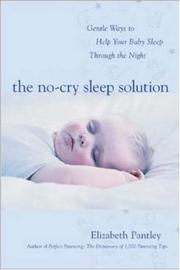
The canonical gentle-method counterpoint to Ferber; introduces the 'Pantley pull-off' and gradual fading techniques, making the trade-offs between approaches concrete.
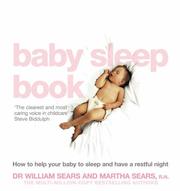
Presents the attachment-parenting perspective on co-sleeping and night nursing, completing the philosophical spectrum and giving parents the full range of options.
Evidence-Based Synthesis: Choosing What Fits Your Family
IntermediateCritically evaluate the research behind all major methods, understand the role of temperament and family context, and arrive at a personalized, pediatrician-compatible plan.
▸ Study plan for this stage
Pace: 4–5 weeks, ~40–50 pages/day (alternating between books to compare perspectives)
- How infant temperament (high-need, sensitive, easy) affects sleep training readiness and method selection
- The distinction between sleep training methods (extinction, graduated extinction, gentler approaches) and the evidence base for each
- How family context—parental stress, work schedules, cultural values, bed-sharing norms—legitimately shapes sleep decisions
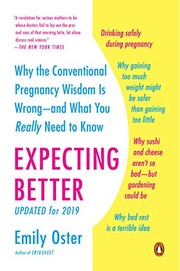
- Oster's data-driven approach to evaluating sleep research: sample sizes, effect sizes, and what studies actually show vs. claim
- The role of developmental readiness (4–6 months) and why timing matters for method success
- How to read and critique sleep research yourself: identifying confounding variables, publication bias, and overgeneralization
- The concept of 'good enough' sleep solutions that align with your family's values, not just the 'optimal' solution
- Pediatrician-compatible language and frameworks for discussing sleep decisions with your healthcare provider
- What does Wiessinger mean by 'biological' sleep needs vs. 'cultural' sleep expectations, and how does this distinction change how you evaluate sleep training methods?
- According to Oster's analysis, what does the research actually say about the long-term effects (behavioral, emotional, attachment) of sleep training, and where are the gaps?
- How would you describe your baby's temperament, and what does each book suggest about which sleep methods are more or less likely to work for that temperament?
- What are the key differences between the approaches in Sweet Sleep and Cribsheet, and when might you choose one framework over the other based on your family's priorities?
- If a sleep study claims a method is '90% effective,' what questions would you ask (based on Oster's framework) to evaluate whether that claim is meaningful for your situation?
- How would you explain your personalized sleep plan to your pediatrician in a way that demonstrates you've considered the evidence and your family's context?
- Create a temperament profile of your baby using Wiessinger's descriptors (high-need, sensitive, easy, etc.). Then cross-reference with Oster's method recommendations to identify 2–3 approaches that might fit.
- Select one sleep study cited in either book (or find one online). Use Oster's critical-reading framework to evaluate: sample size, control group, effect size, and whether the conclusions match the data.
- Map your family's constraints and values (work schedule, bed-sharing preferences, parental stress tolerance, cultural norms) on a worksheet. For each constraint, note which methods Wiessinger and Oster suggest are compatible.
- Write a 1-page comparison chart of 3–4 major sleep methods (e.g., extinction, graduated extinction, gentler approaches) listing: evidence base, timeline, temperament fit, and family context requirements.
- Draft a 2–3 minute explanation of your chosen sleep approach as if speaking to your pediatrician. Include: your baby's temperament, your family's context, the evidence you've reviewed, and why this method aligns with your values.
- Identify one claim in each book that surprised or conflicted with your assumptions. Write a paragraph on why the authors might disagree and what evidence each cites.
Next up: This stage equips you with the critical thinking tools and personalized framework to move into implementation—the next stage will focus on executing your chosen method with troubleshooting, managing setbacks, and knowing when to adjust or seek help.

A research-grounded look at safe co-sleeping and breastfeeding at night, filling an evidence gap left by more mainstream books and broadening the decision framework.

An economist's rigorous review of the actual studies behind sleep-training claims; read last so parents can apply a critical lens to everything they've learned and make a data-informed final choice.
Discussion
Keep reading
Paths that share books, cover the same subject, or open a related topic.