Best Books on Sciatica and Nerve Pain, in Order
This curriculum moves from understanding the body and sciatica in plain language, through targeted exercise and rehabilitation science, to the cutting edge of pain neuroscience and informed decision-making about imaging and surgery. Each stage builds the vocabulary and mental models needed for the next, so that by the end the reader can think critically about their own condition and treatment options.
Foundations: Understanding Your Spine & Sciatica
BeginnerUnderstand the anatomy of the lumbar spine and sciatic nerve, what causes nerve compression, and how sciatica is diagnosed — in plain, accessible language.
▸ Study plan for this stage
Pace: 4–5 weeks, ~25–30 pages/day (approximately 2–3 weeks for "The Back Pain Revolution," then 2–3 weeks for "Treat Your Own Back")
- Lumbar spine anatomy: vertebrae, discs, facet joints, and ligaments and their roles in spinal stability
- The sciatic nerve pathway: origin from the lumbosacral plexus, course through the pelvis and leg, and why compression at specific levels causes predictable symptoms
- Mechanisms of nerve compression: disc herniation, stenosis, piriformis syndrome, and how these structures impinge the nerve
- The biopsychosocial model of back pain: why pain is not simply a mechanical problem and how fear, beliefs, and behavior influence recovery
- Diagnostic methods: imaging (X-ray, MRI, CT) limitations and how clinical assessment (neurological testing, straight leg raise, dermatomal patterns) identifies nerve involvement
- The McKenzie method principles: directional preference, repeated movements, and self-assessment to identify what relieves or worsens symptoms
- Distinction between acute and chronic sciatica: natural history, prognosis, and why most cases resolve without surgery
- Self-management fundamentals: posture, movement patterns, and early intervention strategies to prevent progression
- What are the main anatomical structures of the lumbar spine, and how does a herniated disc compress the sciatic nerve?
- How does the sciatic nerve originate and travel through the body, and why do different compression points cause different symptom patterns?
- What is the biopsychosocial model, and why does Waddell argue that fear and beliefs about back pain significantly impact recovery?
- What are the limitations of imaging (MRI, X-ray) in diagnosing sciatica, and how should clinical examination guide diagnosis instead?
- What is the McKenzie method, and how do you use repeated movements and directional preference to self-assess and manage your sciatica?
- What is the natural history of sciatica, and what does the evidence say about the likelihood of recovery without surgery?
- Palpate your own lumbar spine: locate L4, L5, and S1 vertebrae on yourself, then identify where the sciatic nerve exits the pelvis; use anatomical diagrams from the books as reference
- Perform the straight leg raise test on yourself (or with a partner) and note at what angle you feel sciatic nerve tension; repeat weekly to track changes
- Complete McKenzie's directional preference assessment: perform repeated movements in flexion, extension, and side-bending; document which direction centralizes your pain (if present) or feels most comfortable
- Map your own dermatomes: identify which leg regions correspond to L4, L5, and S1 nerve roots using the diagrams in 'Treat Your Own Back,' then test sensation in those areas
- Keep a symptom diary for 1–2 weeks: record daily pain levels, activities that worsen or improve symptoms, and your posture/movement patterns; correlate findings with the biopsychosocial concepts from Waddell
- Practice the McKenzie postural correction exercises from 'Treat Your Own Back': perform prone lying, extension in lying, and standing extension exercises daily; note any changes in symptoms or centralization
Next up: This foundation in spinal anatomy, nerve compression mechanisms, and the biopsychosocial model prepares you to explore specific treatment approaches—whether conservative management techniques, targeted exercises, or when medical intervention becomes necessary—with a clear understanding of what you're treating and why.
A landmark, evidence-based overview of back pain that dismantles myths and explains the biopsychosocial model from the ground up — essential vocabulary for everything that follows.

A short, practical primer by the physiotherapist who pioneered directional exercises for disc-related nerve pain; introduces the concept of centralization that underpins most sciatica rehab.
Exercise & Rehabilitation: What Actually Helps
BeginnerLearn the specific movements and exercise progressions that decompress the sciatic nerve, stabilize the spine, and restore function — with the reasoning behind each choice.
▸ Study plan for this stage
Pace: 6–7 weeks, ~25–30 pages/day (McGill's technical content requires slower, deliberate reading; allocate 2–3 weeks per McGill book, then 1–2 weeks for Ramin's synthesis)
- The spine's neutral zone and why stability—not mobility—is the primary goal for sciatic nerve decompression
- McGill's 'Big Three' exercises (curl-ups, bird dogs, side planks) and their biomechanical rationale for protecting the disc and nerve
- Progressive loading and exercise sequencing: how to build tolerance without re-injury or nerve irritation
- The relationship between motor control, muscular endurance, and functional recovery in back pain management
- How posture, movement patterns, and daily mechanics perpetuate or resolve sciatic symptoms
- The evidence-based critique of common interventions (surgery, passive therapies) and why exercise-based rehabilitation outperforms them
- Individual variation in pain response and the importance of personalized exercise selection based on directional preference
- What is the neutral zone of the spine, and why is maintaining it during movement critical for sciatic nerve decompression?
- Explain the biomechanical purpose of McGill's Big Three exercises and how each one protects the intervertebral disc and nerve roots
- How should exercise intensity and volume be progressed to restore function without triggering nerve pain or re-injury?
- What movement patterns and postural habits commonly aggravate sciatica, and how can they be corrected based on McGill's principles?
- Why does McGill argue that stability and motor control are more important than flexibility for long-term sciatic nerve health?
- What does Ramin contribute to McGill's framework regarding the broader context of back pain management and patient outcomes?
- Perform McGill's Big Three (curl-ups, bird dogs, side planks) daily for 2 weeks, documenting pain response, endurance progression, and any directional preferences (e.g., which movements feel safe vs. aggravating)
- Video-record yourself performing 5–10 daily movements (sitting, standing, bending, lifting) and analyze them against McGill's postural and movement principles; identify 3 habits to correct
- Design a 4-week progressive exercise program for yourself using McGill's sequencing logic: start with stability work, then add controlled movement, then light loading—track tolerance and symptoms
- Read and annotate one chapter from 'Low Back Disorders' focusing on the biomechanical reasoning; create a one-page summary explaining the 'why' behind each recommendation
- Interview or observe someone with chronic sciatica and apply Ramin's framework to identify which interventions they've tried, which worked, and why—connect findings to McGill's evidence
- Complete a movement screening (e.g., McGill's assessment tools or a simplified version) to identify your own movement limitations and directional preferences; plan corrective exercises accordingly
Next up: This stage equips you with the biomechanical foundation and practical tools to manage sciatic nerve pain through exercise, preparing you to explore how lifestyle factors, ergonomics, and long-term behavioral change sustain recovery and prevent recurrence in the next stage.
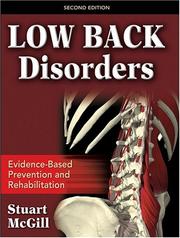
McGill's research-backed framework explains exactly how spinal loads compress nerves and which exercises build a 'spine-sparing' movement pattern; the definitive rehab science text for the lumbar spine.

The consumer-friendly companion to McGill's research: a step-by-step self-assessment and corrective exercise program drawn directly from his clinical work, ideal for applying the science from the previous book.

An investigative journalist's rigorous review of the back-pain industry — including when physical therapy, injections, imaging, and surgery are and are not warranted — providing critical consumer context.
Pain Science: Why Nerves Hurt and How the Brain Is Involved
IntermediateUnderstand modern pain neuroscience — why structural findings don't always predict pain, how the nervous system becomes sensitized, and why psychology and lifestyle matter as much as anatomy.
▸ Study plan for this stage
Pace: 6–8 weeks, ~40–50 pages/day (alternating between both books to reinforce concepts; approximately 3 weeks per book with overlap for integration)
- The pain experience is constructed by the brain, not simply transmitted from tissue damage—structural findings (herniated discs, stenosis) often don't correlate with pain levels
- Nociception (detection of harmful stimuli) is different from pain perception; the nervous system can amplify or suppress pain signals based on context, beliefs, and emotional state
- Central sensitization: repeated nociceptive input causes the nervous system to become hypersensitive, lowering the threshold for pain and spreading it to unrelated areas
- The role of fear, catastrophizing, and negative beliefs in perpetuating pain cycles—psychological factors are not secondary but fundamental to pain processing
- Neuroplasticity and the nervous system's ability to learn and unlearn pain patterns through reconceptualization, movement, and lifestyle changes
- Psychosomatic mechanisms: how stress, repressed emotions, and unconscious conflict can manifest as physical pain (Sarno's tension myositis syndrome framework)
- The importance of education and demystification in pain management—understanding pain mechanisms reduces fear and improves outcomes
- Why can two people with identical MRI findings (e.g., a herniated disc) have completely different pain experiences, and what does this tell us about the nature of pain?
- What is the difference between nociception and pain, and why is this distinction critical for understanding sciatica and nerve pain?
- How does central sensitization develop, and what are the mechanisms by which the nervous system becomes hypersensitive to pain signals?
- According to Sarno's model, how can repressed emotions and psychological stress manifest as physical pain, and what evidence supports this connection?
- What role do beliefs, fear, and catastrophizing play in maintaining chronic pain, and how can changing these psychological factors reduce pain?
- How does understanding pain neuroscience (rather than focusing solely on structural anatomy) change the approach to treating conditions like sciatica?
- Create a personal pain timeline: map your own pain history against life stressors, emotional events, and beliefs about your condition—identify correlations between psychological events and pain flare-ups
- Deconstruct a structural diagnosis: take your own sciatica diagnosis (or a case study) and separate the anatomical finding from the pain experience; list all non-structural factors that could be contributing
- Practice pain reconceptualization: write a 1-page explanation of your pain using Butler's pain science framework instead of traditional structural language (e.g., 'my nervous system is protecting me' rather than 'my disc is pinching my nerve')
- Emotion tracking exercise: for 2 weeks, keep a daily log of emotional state, stress level, and pain intensity; look for patterns and discuss how emotions may be driving nervous system sensitization
- Identify catastrophic thoughts: list your top 5 fear-based or catastrophic thoughts about your pain (e.g., 'this will get worse,' 'I'll never recover'); challenge each with evidence from Butler and Sarno
- Movement exploration: perform gentle movements or activities you've been avoiding due to fear; observe that pain ≠ tissue damage and document how your nervous system's protective response may be overactive
Next up: This stage establishes that pain is a complex, brain-mediated phenomenon influenced by psychology, beliefs, and nervous system sensitization—preparing you to move into practical, evidence-based treatment strategies (physical rehabilitation, graded exposure, mindfulness, and lifestyle modifications) that leverage these neuroscience principles to desensitize the nervous system and reclaim function.

The foundational pain-science education book, used worldwide by clinicians; explains neuroplasticity, central sensitization, and the 'danger alarm' model in accessible, illustrated form.
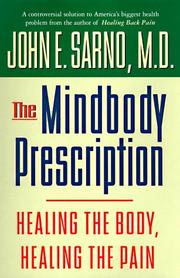
Sarno's influential thesis that repressed emotion drives much chronic nerve and back pain is a useful counterpoint; reading it after Butler gives the reader the tools to evaluate its claims critically.
Advanced Integration: Imaging, Surgery & Shared Decision-Making
ExpertKnow when MRI and CT scans add value versus mislead, understand the evidence for and against surgical options (discectomy, laminectomy), and be equipped to have informed conversations with surgeons.
▸ Study plan for this stage
Pace: 6–8 weeks, ~40–50 pages/day (with reflection breaks). Alternate between "Do You Really Need Back Surgery?" (Weeks 1–4) and "Painful Truth" (Weeks 5–8), with 1–2 days per week reserved for synthesis and case study work.
- Imaging paradox: How MRI and CT findings often don't correlate with symptoms, and when imaging actually changes clinical decisions versus when it creates false certainty
- Surgical decision-making frameworks: The evidence base for discectomy and laminectomy—what the literature shows about success rates, failure rates, and long-term outcomes
- Shared decision-making model: How to interpret surgeon recommendations critically, ask the right questions, and weigh surgery against conservative management
- Natural history of sciatica: Why many cases resolve without intervention, and how this context shifts the risk–benefit calculus for surgery
- Overtreatment and nocebo effects: How unnecessary imaging and surgical recommendations can create harm through expectation and unnecessary intervention
- Individual variation in surgical candidacy: Recognizing that imaging findings and surgical outcomes vary widely by patient presentation, comorbidities, and expectations
- Red flags versus incidental findings: Distinguishing true surgical emergencies from benign imaging abnormalities that don't warrant intervention
- Why do many patients with 'abnormal' MRI findings have no symptoms, and what does this tell us about the relationship between imaging and clinical reality?
- What does the evidence show about the success rates of discectomy and laminectomy for sciatica, and in which specific patient populations do these procedures perform best?
- How would you explain to a patient the difference between an incidental imaging finding and a finding that actually justifies surgery?
- What are the key questions a patient should ask a surgeon before agreeing to spinal surgery, and how would you evaluate the surgeon's answers?
- How can shared decision-making frameworks help reduce unnecessary surgery while ensuring that appropriate surgical candidates aren't discouraged from beneficial procedures?
- What role do patient expectations, nocebo effects, and the natural history of sciatica play in determining surgical outcomes?
- Read and annotate Filler's chapters on imaging interpretation (Weeks 1–2). For each imaging scenario presented, write a one-paragraph summary of: (a) what the imaging shows, (b) why it may or may not warrant surgery, and (c) what additional clinical information would be needed to make a decision.
- Create a decision-tree flowchart based on Filler's framework for when surgery is indicated versus when conservative management is preferred. Include decision points for imaging findings, symptom severity, duration, and red flags.
- Analyze 3–4 case studies from 'Painful Truth' (or create hypothetical cases based on the book's examples). For each, write a brief case summary and then role-play both sides: (a) the surgeon's recommendation and reasoning, and (b) the patient's critical questions and concerns.
- Construct a 'shared decision-making conversation guide' based on both books. Include: (1) key questions patients should ask surgeons, (2) red flags in surgeon responses, (3) how to interpret success rates and comorbidity data, and (4) how to discuss conservative alternatives.
- Compare and contrast the evidence presented in both books on one specific procedure (e.g., discectomy). Create a two-column table: Filler's evidence and conclusions vs. Lyman's narrative evidence and conclusions. Identify areas of agreement and disagreement.
- Interview or shadow a spine surgeon (or review recorded interviews if available) and evaluate their communication against the shared decision-making principles from both books. Document: Do they present imaging findings accurately? Do they discuss failure rates? Do they mention conservative options?
Next up: This stage equips you to critically evaluate imaging and surgical recommendations, positioning you to move into the next stage—whether that's mastering conservative management techniques, understanding long-term outcomes and prevention, or developing expertise in patient communication and shared decision-making in complex pain cases.

Written by a neurosurgeon and MRI specialist, this book walks through every major surgical option for sciatica and nerve pain, explaining the imaging findings that do and do not justify intervention.

A physician-scientist's synthesis of the latest pain research — covering sensitization, placebo, and the limits of structural diagnosis — providing the most up-to-date scientific capstone for the entire curriculum.
Discussion
Keep reading
Paths that share books, cover the same subject, or open a related topic.