Pruning Trees and Shrubs: The Best Books to Prune Like a Pro
This curriculum takes a beginner from the basic "why and how" of pruning all the way through specialist techniques for fruit trees, roses, and formal hedges. Each stage builds on the last — starting with universal principles and plant biology, moving into hands-on general practice, then diving deep into the specific plants the learner cares most about, and finally reaching the level of the skilled practitioner who can read any plant and make confident cuts.
Foundations: Why Plants Respond to the Cut
BeginnerUnderstand basic plant biology (buds, nodes, apical dominance, callus formation) and the core vocabulary of pruning so that every later book makes immediate sense.
▸ Study plan for this stage
Pace: 4–5 weeks, ~25–30 pages/day, with 2–3 days between books for review and reflection
- Apical dominance and how the terminal bud suppresses lateral bud growth
- Bud identification: terminal buds, lateral buds, and their role in plant architecture
- Node structure and internode spacing as the foundation for strategic cutting
- Callus formation and wound healing: how plants compartmentalize damage
- The relationship between leaf area and root system balance after pruning
- Dormancy cycles and how they affect pruning timing and plant response
- Vocabulary: heading back, thinning cuts, crotch angles, and branch collar anatomy
- How pruning redirects growth energy and reshapes plant form
- What is apical dominance and why does removing the terminal bud change how a plant grows?
- How do you identify a node and a bud, and why does this matter when making a pruning cut?
- Explain the process of callus formation and why cutting at the branch collar is important for tree health
- What is the difference between a heading-back cut and a thinning cut, and when would you use each?
- How does the balance between leaf area and root system affect how aggressively you can prune?
- Why is dormancy season often the best time to prune, and what happens physiologically when you prune during the growing season?
- Collect 5–10 twigs from different shrubs or trees; identify and label the terminal bud, lateral buds, nodes, and internodes on each
- Practice making heading-back and thinning cuts on pruned branches (or saplings if available), observing the angle of cut and proximity to the branch collar
- Sketch the branch structure of a small shrub or young tree, marking where apical dominance is controlling growth; predict what would happen if you removed the terminal bud
- Monitor a pruned plant (or section of one) over 2–4 weeks and document bud break, callus formation, and new shoot emergence
- Create a visual reference guide (poster or digital) showing bud types, node anatomy, and the correct vs. incorrect cutting angles for your own future use
- Visit a local arboretum, botanical garden, or mature landscape and identify examples of apical dominance, poor pruning cuts (with visible callus or disease), and well-healed pruning wounds
Next up: This foundation in plant biology and pruning vocabulary equips you to understand the specific techniques and timing strategies for different plant types, which the next stage will explore in depth.
A concise, heavily illustrated beginner primer that explains WHY plants respond to pruning before showing HOW to do it — exactly the conceptual grounding a newcomer needs first.
A classic reference that systematically covers the principles behind pruning timing and technique; reading it second cements the vocabulary introduced by Bird and reveals how those principles apply across a huge range of woody plants.
General Practice: Tools, Timing, and Technique
BeginnerBe able to pick up the right tool, make a correct cut at the right time of year, and prune a wide variety of common garden trees and shrubs with confidence.
▸ Study plan for this stage
Pace: 6–8 weeks, ~25–30 pages/day, with 2–3 days per week dedicated to hands-on practice
- Tool selection and maintenance: identifying the right pruning tool (secateurs, loppers, saws, hedge shears) for different stem diameters and plant types, and keeping tools sharp and clean to prevent disease
- Timing and dormancy cycles: understanding when to prune different species (summer vs. winter pruning, spring flowering vs. summer flowering plants) and why dormancy matters for plant health and vigor
- The three main pruning cuts: heading back, thinning out, and removing dead wood—when and why to use each to control shape, encourage branching, or restore health
- Plant response to pruning: how plants compartmentalize wounds, why cutting above a bud matters, and how to read a plant's structure to predict where new growth will emerge
- Pruning objectives and plant habit: matching pruning technique to the plant's natural growth form (shrubs, trees, hedges, standards) and the desired outcome (rejuvenation, shaping, flowering, safety)
- Common garden species-specific guidance: applying general principles to roses, fruit trees, ornamental shrubs, hedges, and climbers with their particular requirements and timing
- What tool would you use to cut a 2cm-diameter branch, and how would you maintain it to prevent disease transmission between plants?
- A spring-flowering shrub and a summer-flowering shrub need pruning—when would you prune each, and why does timing affect flowering?
- Explain the difference between heading back and thinning out, and give an example of when you would use each technique on a common garden plant.
- You're looking at an overgrown shrub with dead wood mixed in with live growth—describe the order in which you would make cuts and why.
- How do you make a correct pruning cut relative to a bud or branch collar, and what happens if you cut too close or too far away?
- Choose a common garden tree or shrub you've read about—describe how its natural habit influences the pruning approach you'd take to maintain its shape and health.
- Inspect and sharpen your pruning tools: examine secateurs, loppers, and saws; sharpen blades using a whetstone or file; practice the correct grip and cutting motion on scrap wood or thick stems.
- Create a pruning calendar for your garden: identify 8–10 plants you own or have access to, research their flowering time and pruning needs using the books, and mark the optimal pruning window for each on a calendar.
- Practice the three cuts on living material: on a shrub or small tree, identify and execute a heading-back cut, a thinning-out cut, and the removal of dead wood; photograph or sketch each to review your technique.
- Prune a spring-flowering shrub and a summer-flowering shrub: apply the correct timing and technique to two different species, observe the plant's response over the following weeks, and note where new growth emerges.
- Detailed case study: select one overgrown or neglected shrub or small tree; assess its structure, plan a multi-year rejuvenation strategy using the books' guidance, and execute the first phase of pruning.
- Teach or explain: describe your pruning approach for a specific plant to a gardening friend or in writing, explaining the tool choice, timing, and technique—this cements your understanding and reveals gaps.
Next up: This stage equips you with the foundational skills and confidence to prune common plants correctly; the next stage will likely deepen your expertise by exploring specialized techniques (espalier, topiary, renovation of neglected plants) and less common species.
The RHS's definitive all-in-one manual covers tools, wound care, and step-by-step sequences for hundreds of plants — the single most practical general reference to own and the natural next step after understanding principles.
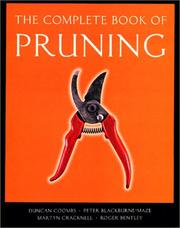
Complements Brickell with clear seasonal calendars and troubleshooting guidance, helping the learner translate general knowledge into a real garden schedule.
Fruit Trees: Training for Health and Harvest
IntermediateUnderstand and apply the main fruit-tree forms (open centre, espalier, cordon, fan) and know how to prune for maximum fruit production while keeping trees healthy and manageable.
▸ Study plan for this stage
Pace: 6–7 weeks, ~25–30 pages/day. Start with Klein's fruit-growing fundamentals (weeks 1–3), then move to Phillips' holistic approach and advanced pruning techniques (weeks 4–7). Allow time for hands-on observation between reading sessions.
- The four main fruit-tree forms (open centre, espalier, cordon, fan) and their structural principles, advantages, and best uses for different fruit types
- How pruning timing, angle, and severity affect fruit bud development, flowering, and yield in relation to tree physiology
- The relationship between vegetative growth and reproductive growth, and how to manage the balance for sustained productivity
- Pruning strategies specific to different fruit types (apples, pears, stone fruits, etc.) and how form choice influences management demands
- The concept of 'holistic' orchard management: integrating pruning with soil health, pest/disease resistance, and long-term tree vigour
- How to assess tree age, vigour, and health status to determine appropriate pruning intensity and form maintenance
- Practical techniques for establishing and maintaining each form from young tree to mature production
- What are the defining structural characteristics of open centre, espalier, cordon, and fan forms, and which fruit types are best suited to each?
- How does the timing of pruning (winter vs. summer) affect fruit bud initiation and why does this differ between apple/pear and stone fruits?
- Explain the relationship between pruning severity and the tree's vegetative response; how do you prune to encourage fruiting rather than excessive shoot growth?
- What are the key differences between pruning for form establishment (years 1–3) and pruning for maintenance and productivity (years 4+)?
- How does Phillips' holistic approach to orchard management change or enhance the pruning strategies described in Klein's book?
- Given a specific fruit tree (e.g., a young apple, an overgrown pear, a stone fruit in decline), how would you diagnose its current state and design a multi-year pruning plan?
- Sketch and label the four main fruit-tree forms (open centre, espalier, cordon, fan) from memory, noting the main pruning cuts and branch angles for each.
- Visit a local orchard, garden centre, or heritage garden and identify at least two trees in different forms; photograph them and annotate the key structural features you observe.
- Prune a young fruit tree (apple, pear, or stone fruit) to establish one of the four forms, documenting the cuts made, angles, and reasoning for each decision.
- Create a multi-year pruning calendar for a specific fruit type, showing when to prune, what to remove, and how pruning changes from year 1 (establishment) through year 5+ (production).
- Read Klein's chapters on a specific fruit type, then cross-reference Phillips' approach to the same fruit; write a one-page comparison of their pruning philosophies and where they align or diverge.
- Assess the health and vigour of an existing mature fruit tree (or photograph one); based on Klein and Phillips' criteria, determine whether it needs rejuvenation pruning, maintenance pruning, or form correction, and outline a plan.
Next up: This stage equips you with the core pruning forms and techniques for controlled fruit production; the next stage will likely deepen your knowledge of pest and disease management, seasonal care cycles, or advanced techniques like grafting and propagation to expand your orchard.

Klein's accessible, season-by-season approach reinforces Pike's structural lessons with real-garden context and clear photography, solidifying when and why to make each cut.

Goes deeper into the ecology of a healthy orchard — understanding tree health, disease cycles, and biological balance — giving the learner the 'why behind the why' of fruit-tree pruning decisions.
Roses and Flowering Shrubs: Pruning for Bloom
IntermediatePrune any class of rose (hybrid tea, climber, rambler, shrub, standard) and key flowering shrubs correctly for maximum flowering, good shape, and long-term vigour.
▸ Study plan for this stage
Pace: 4–5 weeks, ~25–30 pages/day, with 2–3 days per week dedicated to hands-on pruning practice
- Rose classification systems (hybrid tea, floribunda, climber, rambler, shrub, standard) and how each type's growth habit determines its pruning approach
- The relationship between pruning timing, rose physiology, and flowering cycles—why spring, summer, and autumn pruning serve different purposes
- Fundamental pruning techniques: heading back, thinning, deadheading, and their effects on plant shape, vigour, and bloom production
- Disease prevention and plant health through pruning: removing dead wood, improving air circulation, and recognizing signs of damage or disease
- Seasonal pruning schedules specific to each rose class and how to adapt for climate and growing conditions
- The principles of rejuvenation pruning for old or neglected roses to restore vigour and flowering
- Flowering shrub pruning principles and how they differ from roses: timing for spring-flowering vs. summer-flowering shrubs
- What are the key differences in pruning approach between a hybrid tea rose, a rambler, and a shrub rose, and why do these differences exist?
- When should you prune roses in your climate, and what are the consequences of pruning at the wrong time of year?
- How do heading back and thinning cuts differ, and when would you use each technique to achieve different goals (shape vs. vigour)?
- Describe the steps for deadheading roses correctly and explain how this practice influences flowering and plant shape
- How would you prune a neglected, overgrown rose back to health, and what should you expect in terms of flowering in the first year after hard pruning?
- What are the main differences in pruning timing and technique between spring-flowering shrubs and summer-flowering shrubs?
- Identify and classify 5–10 roses in your garden or a local garden by type (hybrid tea, floribunda, climber, rambler, shrub, standard), then research the recommended pruning approach for each
- Perform spring pruning on at least 3 roses of different classes, documenting the cuts you make, the reasoning behind each cut, and the results over the growing season
- Practice deadheading on at least 2 roses over 4 weeks, noting how the plant responds in terms of new blooms and shape
- Prune a neglected or overgrown rose using rejuvenation techniques, photograph the before/after, and track its recovery and flowering over the season
- Identify and prune 2–3 flowering shrubs (spring-flowering and summer-flowering if possible), noting the differences in timing and technique compared to roses
- Create a pruning calendar for your garden, specifying the type, timing, and technique for each rose and flowering shrub you maintain
Next up: This stage equips you with the knowledge to prune roses and flowering shrubs for optimal bloom and health; the next stage will likely extend these principles to other woody ornamentals and shrubs, or deepen your understanding of specialized pruning techniques for specific plant families.

A widely trusted, inexpensive reference that covers pruning within the full context of rose care; its clear diagrams make it an excellent companion volume to Quest-Ritson's more in-depth treatment.
Discussion
Keep reading
Paths that share books, cover the same subject, or open a related topic.