How to Become a Private Investigator: Best Books to Read, in Order
This curriculum builds a private investigator career from the ground up across four stages: first establishing the mindset and legal/ethical framework, then mastering surveillance craft, then developing research and open-source intelligence skills, and finally tackling real casework strategy and professional practice. Each stage assumes the knowledge from the one before it, creating a coherent ramp from curious beginner to field-ready investigator. Note that licensing requirements vary by jurisdiction and must be researched independently — no book substitutes for that process.
Foundations: Mindset, Ethics & the PI World
BeginnerUnderstand what private investigation actually involves day-to-day, the legal and ethical boundaries of the profession, and whether the career is a realistic fit — before investing in specialized skills.
▸ Study plan for this stage
Pace: 2–3 weeks, ~25–30 pages/day (total ~200 pages)
- The daily reality of PI work: surveillance, interviews, research, and case documentation vs. media portrayals
- Legal boundaries: what PIs can and cannot do, state licensing requirements, and consequences of crossing the line
- Ethical obligations: client confidentiality, conflict of interest, truthfulness, and professional integrity in investigations
- Core PI competencies: observation skills, interview techniques, public records research, and evidence handling
- Business fundamentals: client intake, case management, billing, and building a sustainable PI practice
- Personal qualities required: patience, attention to detail, adaptability, and emotional resilience in difficult situations
- What are the main differences between how private investigation is portrayed in media and how it actually functions day-to-day according to Chambers?
- What are the key legal restrictions on private investigators, and what happens if a PI violates them?
- What ethical principles should guide a PI's conduct, and how do they apply to real cases?
- What are the core skills and competencies that Chambers identifies as essential for success in PI work?
- How do you start a PI business, and what are the practical considerations for client management and case handling?
- Is private investigation a realistic career fit for you based on the mindset, ethics, and daily demands described?
- Read and annotate the handbook, highlighting sections on legal boundaries and ethical dilemmas; flag any that surprise or concern you
- Create a comparison chart: media portrayals of PIs (from TV/film) vs. the reality described in Chambers—what's accurate, what's exaggerated?
- Write a 1–2 page reflection: which daily PI tasks appeal to you, and which feel misaligned with your strengths or values?
- Research your state's PI licensing requirements and restrictions; document the key rules and how they align with or differ from Chambers' guidance
- Interview a licensed PI (in person or via email) about one ethical dilemma or legal gray area mentioned in the handbook; compare their real-world experience to Chambers' advice
- Draft a mock case intake form and case notes template based on Chambers' recommendations; practice documenting a hypothetical scenario
Next up: This stage grounds you in the legal, ethical, and practical realities of PI work, ensuring you enter specialized skill training with clear eyes about the profession's constraints and demands—setting the foundation for learning specific investigative techniques with integrity and awareness.
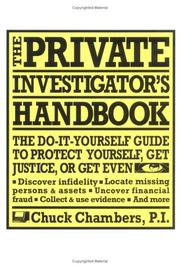
Written by a veteran PI, this practical guide covers the business side, legal considerations, and day-to-day realities of the job, giving beginners a grounded sense of what professional practice looks like.
Research, Records & Open-Source Intelligence
IntermediateMaster the research side of PI work — locating people, pulling public records, conducting background investigations, and using digital and open-source tools to build a complete picture of a subject.
▸ Study plan for this stage
Pace: 8–10 weeks, ~40–50 pages/day. Allocate roughly 3 weeks per book with overlap for practice and review. Expect 2–3 days per week for hands-on exercises.
- People-finding methodologies: using public records, databases, and social engineering to locate subjects across jurisdictions
- Open-source intelligence (OSINT) frameworks: systematically gathering and analyzing publicly available information from digital and non-digital sources
- Public records research: understanding what records exist (vital records, property, court, financial), where they're stored, and how to access them legally
- Digital footprint analysis: tracing online presence through social media, email, phone numbers, and web archives to build subject profiles
- Database and tool proficiency: hands-on use of specialized PI tools, search engines, and record repositories referenced in the books
- Legal and ethical boundaries: recognizing what constitutes legal investigation versus stalking, fraud, or privacy violations
- Information synthesis: connecting disparate data points to create comprehensive background reports and investigative leads
- Verification and source evaluation: distinguishing reliable from unreliable information and confirming findings through multiple sources
- What are the primary public record categories a PI should search, and where can you legally access them in your jurisdiction?
- Describe the OSINT methodology: how do you systematically gather, organize, and analyze open-source information on a subject?
- How would you locate a person who has changed their name, moved frequently, or is deliberately hiding? Walk through your step-by-step approach.
- What are the legal and ethical limits of PI research? Give examples of techniques that cross the line into illegal activity.
- How do you verify information gathered from multiple sources, and what do you do when sources conflict?
- What digital tools and databases covered in the books are most effective for specific investigation types (skip-tracing, background checks, asset searches)?
- Locate a public figure using only techniques from 'How to Find Anyone Anywhere'—start with minimal information and document each step and source.
- Conduct a full OSINT investigation on a volunteer subject (friend, public figure, or yourself) using Michael Bazzell's framework; create a comprehensive profile with sources cited.
- Practice accessing public records in your state/county: vital records, property records, court documents, and UCC filings. Document access methods and any fees.
- Build a personal digital footprint audit: search for yourself online using the tools and techniques from the books, then identify what information is publicly available.
- Create a reference guide using 'The Investigator's Little Black Book 3': organize key databases, hotlines, and resources by investigation type for quick lookup.
- Conduct a skip-tracing exercise: given a name, last known address, and phone number, use only free/legal tools to locate a current address.
- Write a mock background investigation report on a fictional subject, incorporating public records, OSINT findings, and proper source documentation.
Next up: This stage equips you with the research and intelligence-gathering foundation needed to move into active investigation techniques—surveillance, interviews, and undercover work—where you'll apply these findings in real-world field scenarios.

A classic PI research reference that systematically walks through public records, databases, and skip-tracing methods — essential vocabulary before tackling more advanced OSINT tools.

The definitive modern guide to OSINT, covering social media, data aggregators, and digital footprints; builds naturally on the records-based research skills from the previous book and reflects how PI research is actually done today.

A compact, heavily cross-referenced directory of investigative resources, databases, and agencies — best used as a reference companion once you understand how research workflows are structured.
Casework, Interviewing & Professional Practice
IntermediateIntegrate surveillance and research skills into complete case management — conducting effective interviews, writing professional reports, managing clients, and running a sustainable PI business.
▸ Study plan for this stage
Pace: 8–10 weeks, ~40–50 pages/day, with 2–3 days per week dedicated to interview practice and case documentation exercises
- Crime scene analysis and evidence documentation principles applicable to civil investigations and background checks
- The investigative mindset: systematic observation, logical deduction, and hypothesis testing in casework
- Interview planning and preparation—establishing objectives, researching subjects, and designing question sequences
- Rapport-building and psychological techniques to elicit truthful information from witnesses, subjects, and suspects
- Behavioral indicators of deception and credibility assessment during interviews
- Report writing standards: clarity, objectivity, chain of custody, and legal admissibility for civil proceedings
- Client management and case documentation—maintaining files, timelines, and evidence organization
- Ethical and legal boundaries in PI work—avoiding entrapment, respecting privacy laws, and professional liability
- What are the core principles of crime scene documentation and evidence preservation, and how do they translate to civil PI casework?
- How should you prepare for an interview, and what are the key differences between interviewing cooperative witnesses versus reluctant subjects?
- What behavioral and verbal cues suggest deception, and how do you assess credibility during an interview?
- How do you structure a professional investigative report that is legally defensible and useful to your client?
- What are the ethical and legal constraints on PI interviewing, and how do you stay within bounds while still obtaining necessary information?
- How should you organize and maintain case files to ensure evidence integrity and support future legal proceedings?
- Conduct a mock crime scene walkthrough (using photos or a real location) and practice documenting observations using Geberth's systematic approach—note lighting, positioning, evidence placement, and potential investigative leads
- Perform a detailed case file audit: take a real or hypothetical PI case and reorganize it using proper documentation standards, including timeline, evidence log, interview notes, and report summaries
- Record yourself conducting three different interview scenarios (cooperative witness, reluctant subject, potential liar) and review the recordings to identify your rapport-building techniques, question phrasing, and behavioral observations
- Write two professional investigative reports—one for a background check case and one for an infidelity/surveillance case—following Hess's standards for clarity, objectivity, and legal defensibility
- Study 5–10 real interview transcripts (from court records, published cases, or training materials) and annotate them for deception indicators, question effectiveness, and rapport dynamics
- Role-play a client intake interview where you establish case objectives, gather background information, and explain your investigative methodology and ethical boundaries
Next up: This stage equips you with the investigative and interpersonal foundations needed to manage complete cases independently; the next stage will focus on specialized investigative techniques (digital forensics, surveillance technology, legal research tools) and advanced case types (corporate investigations, fraud, missing persons) that build on these core competencies.

Though written for law enforcement, this authoritative text on investigative methodology and evidence documentation is widely used by professional PIs to understand rigorous case-building standards.

Teaches structured, ethical interviewing technique — a critical skill for witness interviews and subject contact that PIs use constantly but that earlier books only touch on.
Discussion
Keep reading
Paths that share books, cover the same subject, or open a related topic.