Software testing is easy to underrate and hard to do well. Beginners often reach straight for automation frameworks, assuming QA means writing scripts, and miss the deeper skill: thinking critically about how software can fail and designing the checks that expose it. Automation without that mindset just breaks faster.
The productive order builds the tester's mindset first, then the fundamentals and exploratory craft, and only then automation and the delivery pipeline that ships tested code. You do not need a formal QA degree to enter the field, but you do need the judgment these books teach and hands-on practice to back it up.
The testing mindset
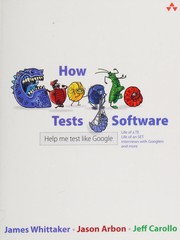
Start with how expert testers actually think. Lessons learned in software testing by Cem Kaner is a collection of hard-won heuristics that reframes testing as a thinking discipline rather than a rote task. How Google Tests Software by James Whittaker then shows how that mindset scales inside a large engineering organization, clarifying the real roles testers play. Together they inoculate you against the idea that QA is just clicking through scripts.
Fundamentals and exploration
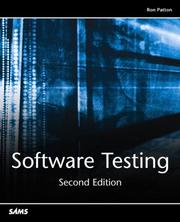
Next, get concrete. Software Testing by Ron Patton is the friendly, comprehensive introduction to the concepts, terminology, and techniques of the field — the best single starting textbook. Explore it! by Elisabeth Hendrickson teaches exploratory testing, the skill of investigating software to find what scripted checks miss, and Agile testing by Lisa Crispin shows how testing fits into modern iterative teams. Rounding out the foundations, The art of software testing by Glenford Myers is the classic that formalized test-case design and still repays study.
Automation and delivery
The last arc is turning skill into leverage. Test Automation in the Real World by Greg Paskal is a pragmatic guide to what to automate and what not to, which saves you from brittle, expensive test suites. Growing object-oriented software, guided by tests by Steve Freeman goes deeper into test-driven development and how tests shape design itself. Finally, Continuous Delivery by Jez Humble places testing inside the whole deployment pipeline, showing how automated checks enable fast, safe releases — the context that makes modern QA valuable.
Read in this order and testing stops being an afterthought and becomes a craft of questioning software rigorously. Follow the full path, practice on real projects, and you will build both the mindset and the concrete skills QA roles are hiring for.
Follow the full reading path →
Ready to learn something deeply?
Build a reading path — free