System administration is the invisible work that keeps servers, networks, and services alive, and it punishes people who fake their way through fundamentals. Beginners often chase the latest automation tool before they can navigate a shell confidently, and the result is fragile setups they cannot debug when something breaks at midnight.
The reliable order builds command-line fluency and an understanding of how the OS works, then networking, then the practices that turn a hobbyist into a professional operator, and finishes with security and automation. Books give you the concepts; a home lab and real infrastructure give you the reflexes.
Command line and the OS
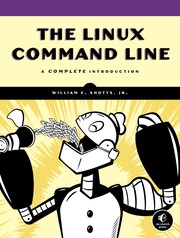
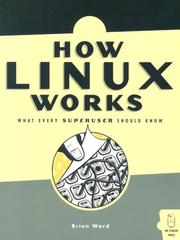
Start at the shell. The Linux Command Line by William Shotts is the best free introduction to working in a Unix environment and belongs at the very front of this path. How Linux Works by Brian Ward then explains what is actually happening beneath your commands — processes, the boot sequence, the filesystem — so the command line stops feeling like magic. Together they turn you from a nervous user into someone who understands the machine.
Networking and administration
Servers do not live alone. Computer Networking, A Top-down Approach Featuring the Internet Book by James Kurose is the standard text for understanding how networks move data, essential for diagnosing the problems that cross machine boundaries. DNS and BIND by Paul Albitz demystifies the naming system every service depends on. Then UNIX and Linux System Administration Handbook (5th Edition), the field's bible, covers the breadth of the job in one authoritative volume, and The practice of system and network administration by Tom Limoncelli teaches the professional habits and processes that keep infrastructure sane at scale.
Security and automation
The last arc is protecting and scaling what you run. Linux Security Cookbook by Daniel Barrett gives practical recipes for hardening systems, a non-negotiable part of the modern job. Learning the bash Shell by Cameron Newham deepens your scripting so you can automate routine work reliably, and Ansible by Lorin Hochstein introduces configuration management, the shift from hand-tending servers to declaring their state as code. Finally, The Phoenix Project by Gene Kim is a story, not a manual, but it teaches the DevOps culture and flow that define where this career is heading.
Read in this order and system administration becomes a layered, learnable discipline rather than a pile of tools. Follow the full path, build a home lab to practice on, and consider certifications like Linux or cloud credentials to back up your experience.
Follow the full reading path →
Ready to learn something deeply?
Build a reading path — free