Best Books on Overlanding and Off-Roading
This curriculum takes you from zero overlanding knowledge to confident expedition planning and execution across four progressive stages. It begins with the mindset and culture of overlanding, builds through vehicle preparation and recovery skills, then advances into navigation and remote travel strategy, before finishing with the great routes and real-world expedition accounts that inspire and inform the most ambitious journeys.
Foundations: Mindset, Culture & the Overlanding World
BeginnerUnderstand what overlanding actually is, how it differs from casual off-roading, and absorb the culture, philosophy, and big-picture planning mindset before touching a wrench or a map.
▸ Study plan for this stage
Pace: 4–5 weeks, ~40–50 pages/day (approximately 300 pages total; allows time for reflection and note-taking)
- Overlanding as a philosophy: slow travel, self-reliance, and immersion in landscapes rather than destination-focused tourism
- The psychological and emotional transformation that comes from extended remote travel and stepping outside comfort zones
- Vehicle as enabler: how a properly prepared motorcycle/vehicle becomes a tool for freedom and independence, not just transportation
- Cultural immersion and human connection: the importance of engaging with local people, customs, and environments along the route
- Route planning and preparation mindset: the balance between structure (planning, logistics, safety) and spontaneity (adaptability, serendipity)
- Resilience and problem-solving under pressure: how mechanical failures, weather, and unexpected obstacles build character and capability
- The overlanding community ethos: shared values of adventure, self-sufficiency, and respect for both vehicle and environment
- What is the core difference between overlanding as practiced in 'Long Way Round' and typical tourism or casual off-roading?
- How does Ewan McGregor's journey demonstrate the role of preparation and planning in overlanding, and where does spontaneity play a role?
- What psychological and personal transformations does McGregor experience through extended remote travel, and why are these relevant to the overlanding mindset?
- Describe the relationship between the rider, the motorcycle, and the landscape in 'Long Way Round.' How does this reflect overlanding philosophy?
- What role do local people and cultural encounters play in McGregor's journey, and how does this relate to overlanding values?
- How do mechanical failures and unexpected challenges in the book illustrate the importance of self-reliance and problem-solving in overlanding?
- Create a 'journey manifesto': Write 1–2 pages defining what overlanding means to you personally based on McGregor's example. What draws you to it? What are your core values for a long-distance journey?
- Route mapping exercise: Choose a real 1,000+ mile route (can be hypothetical) and sketch out the major waypoints, terrain types, and cultural regions McGregor passes through. Annotate with notes on why he stopped where he did.
- Motorcycle/vehicle research: Identify the specific bike/vehicle used in 'Long Way Round' and research its specs, capabilities, and limitations. Write a brief analysis of why it was suitable (or not) for the journey.
- Reflection journal: After each major section of the book (e.g., each continent or major challenge), write 300–500 words on what you learned about overlanding mindset and how it applies to your own potential journey.
- Interview or podcast exercise: Listen to or read an interview with Ewan McGregor about 'Long Way Round' (widely available online). Note 3–5 insights he shares about the experience that aren't fully captured in the book itself.
- Cultural immersion planning: Choose one region McGregor travels through and research its culture, language basics, customs, and current travel conditions. Create a 1-page 'cultural briefing' as if you were preparing to pass through it yourself.
Next up: This stage establishes the philosophical and emotional foundation for overlanding—why you do it and how to think like an overlander—which directly prepares you for the next stage's focus on practical skills: vehicle selection, mechanical knowledge, navigation, and logistics planning.

A gripping, accessible narrative of a globe-spanning overland journey that instills the spirit of remote travel, the reality of breakdowns and border crossings, and the human side of expedition life — essential motivation and context before diving into technical detail.
Vehicle Choice, Build-Out & Mechanical Confidence
BeginnerBe able to evaluate and select an overland vehicle, understand the key systems (suspension, tires, electrical, storage), plan a purposeful build-out, and perform basic trail-side repairs.
▸ Study plan for this stage
Pace: 8–10 weeks, ~25–30 pages/day (with 2–3 days/week for hands-on exercises and review)
- Vehicle selection criteria: chassis types, engine options, payload capacity, and terrain suitability for overlanding
- Suspension systems: independent vs. solid axle, spring types, dampers, and how they affect ride quality and off-road capability
- Tire fundamentals: construction, sizing, load ratings, tread patterns, and how to match tires to terrain and vehicle purpose
- Electrical systems: battery capacity, alternator output, auxiliary power management, and wiring for aftermarket accessories
- Storage and weight distribution: cargo organization, roof racks, underbody protection, and maintaining vehicle balance
- Engine and drivetrain basics: transmission types, transfer cases, differentials, and how gearing affects off-road performance
- Maintenance and trail-side diagnostics: fluid checks, filter changes, common failure points, and emergency repairs
- Build-out planning: prioritizing modifications based on intended use, budget constraints, and progressive improvement strategies
- What are the key differences between body-on-frame and unibody chassis, and which is better suited for overlanding and why?
- How do independent suspension and solid axle suspension differ in terms of articulation, comfort, and off-road capability?
- What factors should you consider when selecting tires for overlanding, and how do load index and sidewall construction affect performance?
- How do you calculate electrical load for auxiliary systems (winches, lights, refrigeration), and what battery/alternator capacity do you need?
- What is the purpose of a transfer case, and how do low-range gearing and locking differentials improve off-road traction?
- Walk through a pre-trip vehicle inspection checklist and explain what you're checking for and why each item matters for trail safety
- Compare 3–4 candidate vehicles (different makes/models/years) using Four-Wheeler's Bible criteria; create a decision matrix scoring chassis type, engine, payload, and parts availability
- Inspect your own vehicle (or a friend's) and document suspension type, spring rates, damper condition, and articulation limits; photograph and annotate
- Visit a tire shop or online retailer and research tire options for a specific overlanding scenario (e.g., desert, rocky terrain, mixed); compare load ratings, tread patterns, and cost
- Map out an electrical system upgrade plan: list all auxiliary loads (lights, fridge, winch), calculate total amperage, and specify battery and alternator requirements
- Perform a full fluid check and filter inspection on a vehicle; document oil type, coolant condition, brake fluid, and transmission fluid; note any maintenance due
- Disassemble and reassemble a simple mechanical component (e.g., brake caliper, shock absorber, or differential cover) to build hands-on confidence and understand failure modes
Next up: Mastering vehicle mechanics and build fundamentals prepares you to plan and execute a multi-day overland expedition with confidence in your vehicle's reliability and capability.

The definitive technical reference for four-wheel-drive systems, tires, suspension, and drivetrain — read this first to build the mechanical vocabulary needed for every build-out decision that follows.
Recovery, Off-Road Technique & Wilderness Safety
IntermediateMaster the full toolkit of off-road driving technique and self-recovery — winching, hi-lift jacks, traction boards, snatch straps, and reading terrain — so you can travel confidently and get yourself (and others) unstuck in the field.
▸ Study plan for this stage
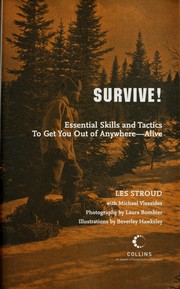
Pace: 4–5 weeks, ~25–30 pages/day. "Bushcraft 101" is approximately 250–280 pages; allocate 2–3 weeks for core reading, then 1–2 weeks for review, exercises, and field application.
- Shelter construction and site selection in wilderness environments—how to assess terrain, weather exposure, and natural resources to build effective emergency or temporary shelters
- Water sourcing, purification, and safe consumption—identifying water sources in the field and using multiple purification methods (boiling, filtering, chemical treatment) to ensure safety
- Fire building in varied conditions—site preparation, fuel types, ignition methods, and fire management in wet, cold, or resource-limited scenarios
- Wilderness navigation without technology—map reading, compass use, terrain association, and dead reckoning to stay oriented when GPS fails
- Foraging and food procurement basics—identifying edible plants and safe food sources to extend supplies during extended off-road journeys
- Cordage, knots, and field repairs—essential knots, lashing techniques, and improvised repairs using natural materials and minimal tools
- First aid and injury management in remote settings—treating common wilderness injuries (cuts, sprains, hypothermia) with limited medical supplies
- Psychological resilience and decision-making under stress—maintaining calm, prioritizing survival needs, and making sound choices when isolated
- How do you select a safe shelter location in the wilderness, and what terrain and environmental factors should you assess before building?
- Describe three methods to purify water in the field, and explain when you would use each method based on available resources and urgency.
- What are the key steps to building a fire in wet conditions, and how do you source and prepare tinder, kindling, and fuel when natural materials are damp?
- How would you navigate using a map and compass if your vehicle's GPS and communication devices fail during an off-road expedition?
- What are the most important knots for off-road recovery and wilderness use, and how do you tie them correctly under field conditions?
- How do you treat hypothermia, severe cuts, or sprains in a remote location with limited medical supplies and no immediate evacuation available?
- Build a shelter using natural materials (branches, leaves, bark) in your backyard or a local park, then evaluate its insulation, water resistance, and structural integrity.
- Practice fire building in wet conditions: collect damp materials, prepare tinder using the methods from the book, and successfully ignite a fire without matches or lighters.
- Conduct a map and compass navigation exercise: set waypoints on a map, navigate to them using only map and compass (no GPS), and verify your accuracy.
- Tie and practice the essential knots from the book (bowline, clove hitch, square knot, trucker's hitch) until you can execute them quickly and correctly in low-light or gloved conditions.
- Purify water using three different methods (boiling, improvised filter, chemical treatment) and document the process, time, and resources required for each.
- Simulate a wilderness first aid scenario: treat a mock injury (sprain, cut, or hypothermia) using only the supplies and knowledge from the book, then debrief on what worked and what you'd improve.
Next up: This stage grounds you in the foundational survival and wilderness skills that underpin confident off-road travel; the next stage will layer in vehicle-specific recovery techniques (winching, hi-lift jacks, traction boards, snatch straps) and terrain reading so you can combine bushcraft resilience with mechanical self-rescue in the field.

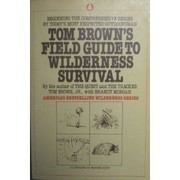
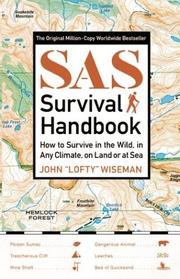
Recovery is only half of remote safety — this widely-used wilderness survival primer fills the critical gap in shelter, fire, water, and signaling skills that every overlander operating far from help must understand.
Navigation, Remote Travel & the Great Routes
ExpertPlan and execute multi-week or multi-month expeditions using map, compass, and GPS; understand route research and logistics; and draw inspiration from the world's iconic overland routes through the accounts of those who have driven them.
▸ Study plan for this stage
Pace: 10–12 weeks, ~40–50 pages/day (with 2–3 days per week for practical exercises and expedition planning)
- Map reading fundamentals: contours, grid references, scale, and magnetic declination
- Compass navigation techniques: bearing-taking, triangulation, and dead reckoning in the field
- GPS technology and integration with traditional navigation methods for redundancy
- Route planning methodology: researching permits, water sources, fuel availability, and seasonal conditions
- Logistics for extended expeditions: vehicle preparation, supply caching, communication systems, and contingency planning
- Learning from established overland routes: the Sahara crossing (Scott) and the Pan-American journey (Simon) as case studies
- Cultural and environmental awareness when traveling through remote and inhabited regions
- Decision-making under uncertainty: adapting routes and managing risk in truly remote environments
- How do you take a bearing from a map using a compass, and how do you account for magnetic declination in different regions?
- What are the key differences between navigating by map and compass versus GPS, and why is redundancy critical for remote travel?
- What research and preparation steps must you complete before attempting a major overland route like the Sahara crossing?
- How do you plan logistics (fuel, water, food, spare parts) for a multi-week expedition through remote terrain with limited resupply options?
- What lessons from Ted Simon's Pan-American journey and Chris Scott's Sahara accounts apply to your own expedition planning?
- How do you adapt your route and respond to unexpected obstacles (mechanical failure, weather, political borders) in the field?
- Complete all practical exercises in Kjellström's map and compass book: take bearings, plot positions, triangulate location, and practice dead reckoning on a local map
- Conduct a full-day navigation exercise in unfamiliar terrain using only map and compass (no GPS), then verify your route with GPS afterward
- Research and plan a hypothetical Sahara crossing route using Scott's book as a reference: identify water points, fuel stops, border crossings, and seasonal constraints
- Create a detailed logistics spreadsheet for a 4-week overland expedition: calculate fuel consumption, food/water requirements, vehicle maintenance intervals, and contingency supplies
- Read and annotate key passages from Simon's Jupiter's Travels, extracting lessons about decision-making, cultural navigation, and adapting to the unexpected
- Conduct a mock expedition briefing: present your planned route, navigation strategy, logistics plan, and risk mitigation to a peer or mentor for critique
Next up: This stage transforms you from a theoretical reader into a practical expedition planner capable of executing multi-week remote journeys, setting the foundation for the next stage's focus on vehicle systems, mechanical resilience, and real-world problem-solving in the field.
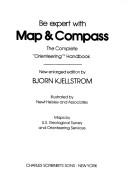
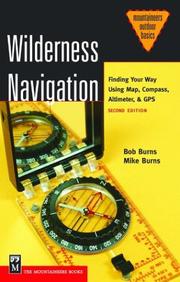
The classic, universally recommended text on land navigation — read this first in the stage to ensure solid map-and-compass fundamentals before layering on GPS and digital tools.
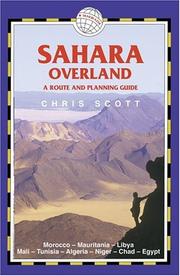
The definitive route guide to the world's most demanding overland destination, covering logistics, tracks, and desert travel strategy in exhaustive detail — a masterclass in how to research and execute a great route.
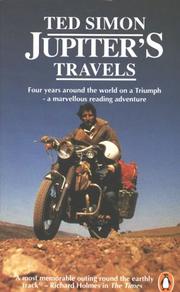
Simon's four-year, 78-country motorcycle circumnavigation is one of the most celebrated overland narratives ever written; it synthesizes everything in this curriculum — vehicle, route, recovery, navigation, and human endurance — into a single inspiring account that rewards readers who have built the knowledge to fully appreciate it.
Discussion
Keep reading
Paths that share books, cover the same subject, or open a related topic.