Natural Dyeing: The Best Books on Botanical and Plant Dyes
This curriculum takes a beginner from their very first dye pot all the way to advanced botanical and fermentation-vat techniques. Each stage builds on the last — starting with core concepts and simple plant dyes, moving into specialized materials like indigo and mordanting chemistry, and finally reaching the level of a confident, experimental natural dyer who can work from foraged plants, kitchen scraps, and historical recipes.
Foundations: First Steps into the Dye Pot
BeginnerUnderstand the basic process of natural dyeing — mordanting, preparing fiber, and extracting color from common plants and kitchen scraps — with enough confidence to complete your first successful dye project.
▸ Study plan for this stage
Pace: 4–5 weeks, ~25–30 pages/day. Start with "Wild Color" (2 weeks), move to "The Geometry of Hand-Sewing" (1 week), then "A Dyer's Garden" (1–2 weeks), with overlap for hands-on practice throughout.
- Mordanting: why certain chemical fixatives (alum, tannin, iron) are essential to bind dye molecules to fiber and achieve color permanence
- Fiber preparation: cleaning, scouring, and conditioning plant and animal fibers before dyeing to ensure even color uptake
- Plant-based dye extraction: identifying, harvesting, and processing common plants and kitchen scraps (onion skins, madder root, weld, indigo) to create usable dye baths
- The dye bath process: temperature control, pH balance, and timing as variables that affect final color outcomes
- Hand-sewing techniques: basic stitches and seaming methods that allow you to construct and finish naturally dyed textiles into wearable or functional objects
- Garden cultivation for dyers: growing, harvesting, and storing dye plants year-round to build a sustainable personal dye supply
- Color theory in natural dyeing: how to predict and layer colors, and understand the relationship between plant material, mordant, and final hue
- What is mordanting, why is it necessary, and what are the three primary mordants discussed in 'Wild Color'?
- How do you prepare fiber (cotton, wool, silk) for dyeing, and what is the purpose of scouring?
- Describe the basic steps for extracting dye from at least two common plants or kitchen scraps (e.g., onion skins, madder, weld) as detailed in 'Wild Color' and 'A Dyer's Garden'.
- How do temperature, pH, and timing affect the color outcome of a natural dye bath?
- What are three basic hand-sewing stitches from 'The Geometry of Hand-Sewing,' and how would you use them to finish a naturally dyed garment or textile?
- How would you plan and maintain a small dye garden based on the plant recommendations in 'A Dyer's Garden'?
- If you wanted to achieve a specific color (e.g., deep green or rust), how would you layer mordants and dye plants to reach that goal?
- Complete a full mordanting cycle: scour a skein of wool or cotton, mordant it with alum and tannin following 'Wild Color' instructions, and document the process with photos and notes on fiber texture changes.
- Extract dye from three different kitchen scraps or plants (onion skins, avocado pits, or plant material from 'A Dyer's Garden'). Record the color yield, dye bath temperature, and final hue on undyed fiber swatches.
- Dye a prepared fiber skein using a single plant dye and mordant combination, keeping a detailed log of temperatures, timing, and observations. Compare your result to expected colors in the books.
- Practice five basic hand-sewing stitches from 'The Geometry of Hand-Sewing' on scrap fabric, then use these stitches to seam or finish a small naturally dyed textile (e.g., a simple pouch or headband).
- Design and plant a small dye garden (even 3–4 plants in pots or a small bed) based on 'A Dyer's Garden' recommendations; document growth and plan your first harvest.
- Create a color-matching reference chart: dye multiple fiber swatches using different mordant and plant combinations, label each with its recipe, and arrange them by hue to build intuition for color layering.
Next up: This stage equips you with hands-on mastery of the core natural dyeing process and basic textile finishing skills, preparing you to advance to more complex techniques such as pattern dyeing (shibori, batik, resist methods), working with specialized fibers, and designing multi-color garments that require layered mordants and dyes.
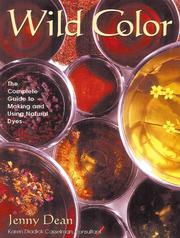
The single best starting point for beginners: clear, friendly, and comprehensive, covering mordants, plant sources, and step-by-step instructions for dyeing yarn and fabric. It establishes the essential vocabulary and workflow every later book assumes you know.
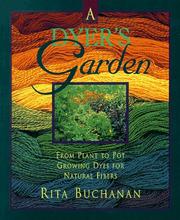
Bridges gardening and dyeing by teaching which plants to grow specifically for color. Reading this second grounds beginners in sourcing their own dye materials sustainably, a skill all later books build upon.
Broadening the Palette: Plants, Fibers, and Kitchen Scraps
BeginnerExpand your plant palette to include foraged botanicals and everyday kitchen scraps, and learn how fiber type (wool, cotton, silk) affects color uptake and mordanting choices.
▸ Study plan for this stage
Pace: 4–5 weeks, ~20–25 pages/day, with 2–3 days per week dedicated to hands-on experiments
- Identifying and harvesting foraged botanicals (leaves, flowers, roots, bark) for dye extraction
- Understanding how different plant parts (fresh vs. dried, whole vs. processed) yield varying color intensities and hues
- Recognizing fiber properties: wool's natural affinity for dyes vs. cotton and silk's different absorption rates
- Mordanting fundamentals: why certain fibers require pre-treatment and how mordants (alum, tannin, iron) change final colors
- Kitchen scraps as viable dye sources: onion skins, avocado pits, beet greens, coffee grounds, and their color potential
- The relationship between plant chemistry and fiber chemistry in achieving colorfast results
- Seasonal variation in plant dyes and how to preserve botanicals for year-round use
- What are the key differences in dye uptake between protein fibers (wool, silk) and cellulose fibers (cotton), and why do these differences exist?
- How do you identify, harvest, and prepare foraged botanicals for dye extraction, and what safety considerations apply?
- Which kitchen scraps produce the most reliable and colorfast dyes, and what colors can you expect from each?
- What is the purpose of mordanting, which fibers require it, and how do different mordants (alum, tannin, iron) alter the final color outcome?
- How does the ratio of plant material to fiber, water quantity, and extraction time affect dye strength and color saturation?
- What methods can you use to preserve fresh botanicals for later use, and how does preservation affect dye quality?
- Create a foraged botanicals reference chart: collect 5–8 local plants (leaves, flowers, roots, bark), press/dry samples, and document their botanical names, harvest season, and expected dye colors
- Conduct a fiber comparison dye test: dye the same plant material (e.g., onion skins) on wool, cotton, and silk simultaneously to observe and document color differences and uptake rates
- Perform a mordant variation experiment: dye wool yarn with one plant using alum, tannin, iron, and no mordant to see how each mordant shifts the final color
- Prepare and preserve three kitchen-scrap dyes: extract color from onion skins, avocado pits, and beet greens; document the process and store samples for future use
- Conduct a plant-part comparison test: dye fiber using different parts of the same plant (e.g., marigold petals vs. leaves vs. stems) to understand how plant part affects color outcome
- Create a seasonal dye calendar: plan which botanicals and kitchen scraps are available each season in your region, noting peak harvest times and preservation methods
Next up: This stage equips you with a broad, practical palette of accessible dye sources and a solid understanding of how fiber and plant chemistry interact, preparing you to move into deeper technical work on color theory, advanced mordanting techniques, and achieving specific, reproducible colors in the next stage.

Focuses on low-tech, eco-friendly dyeing with plants and food scraps on protein and cellulose fibers alike. Its approachable, experimental spirit is perfect for consolidating beginner skills before tackling more technical topics.
Going Deeper: Mordants, Chemistry, and Color Theory
IntermediateDevelop a working understanding of mordant chemistry, pH, and how dye molecules bond to fiber — enabling you to troubleshoot results, achieve greater colorfastness, and mix colors intentionally.
▸ Study plan for this stage
Pace: 6–8 weeks, ~25–30 pages/day, with 2–3 days per week dedicated to hands-on experiments and reflection
- Mordant chemistry: how mordants (alum, tannin, iron, copper) chemically bond dye molecules to protein and cellulose fibers
- pH and its role in dye extraction, mordanting, and final color outcomes — understanding acidic vs. alkaline dye baths
- The mordant-dye-fiber complex: how different mordants shift hues and affect colorfastness through molecular bonding
- Color theory applied to natural dyes: primary, secondary, and tertiary colors; how to predict and mix colors intentionally using plant sources
- Troubleshooting common dyeing problems (uneven color, poor fastness, unexpected hues) through chemistry-based reasoning
- Eco-responsible mordanting: weighing traditional heavy-metal mordants against safer alternatives and understanding their trade-offs
- Documentation and reproducibility: recording pH, temperatures, fiber weights, plant material ratios, and mordant quantities to achieve consistent results
- Explain how alum and tannin work together as a mordant system, and why pre-mordanting with tannin before alum improves colorfastness on protein fibers
- Why does pH affect the color of a dye bath, and how would you adjust pH to shift a madder dye from orange-red to purple-red?
- You dye wool with weld (yellow) and madder (red) separately, then overdye one with the other. Predict the resulting color and explain the chemistry behind the shift
- What is the difference in how iron mordant affects dye molecules compared to alum, and why does iron typically deepen and sadden colors?
- How would you troubleshoot a batch of dyed fabric that has uneven color, and what role might pH, temperature, or fiber preparation play?
- Design a natural dye palette (3–4 plant sources) that would allow you to create a range of colors from warm to cool, and explain the color theory behind your choices
- Read 'Eco Colour' Chapters 1–3 (foundational chemistry and Flint's approach to natural dyeing), then document the mordants and pH ranges she discusses in a reference table
- Prepare three identical fiber samples (wool or silk) and mordant one with alum only, one with tannin + alum, and one with no mordant; dye all three with the same plant material and compare colorfastness through washing and light exposure over 4 weeks
- Extract dye from a single plant source (e.g., madder root or weld leaves) at three different pH levels (acidic, neutral, alkaline) and dye separate fiber samples to observe and document color shifts
- Read 'The Art and Science of Natural Dyes' chapters on color theory and chemistry; create a visual color wheel using natural dyes, labeling each hue with its plant source, mordant, and pH conditions
- Conduct a controlled overdyeing experiment: dye wool yellow with weld, then overdye portions with madder, indigo, and woad separately; document the resulting colors and explain the chemistry of each mixture
- Troubleshoot a deliberately 'failed' dye batch (uneven color, weak fastness, or unexpected hue) by adjusting one variable at a time (pH, temperature, mordant type, or fiber preparation) and recording results
Next up: This stage equips you with the chemical reasoning and color-mixing skills to move into advanced applications—such as creating custom color palettes for specific projects, developing your own dye recipes, and exploring specialized techniques like vat dyeing or natural indigo fermentation.

Introduces eco-printing and a deeper ecological philosophy of natural dyeing, while explaining the science of tannins, mordants, and plant chemistry in an accessible way. It reframes dyeing as a conversation with nature rather than a recipe to follow.

The most thorough intermediate-to-advanced reference on dye chemistry available to non-chemists. Reading it after Eco Colour gives the scientific grounding to understand why techniques work, not just how to perform them.
Mastering Indigo: Vat Dyeing and Blue
IntermediateUnderstand indigo as a unique vat dye — chemically distinct from all other natural dyes — and successfully build and maintain both chemical and fermentation vats to achieve deep, lasting blues.
▸ Study plan for this stage
Pace: 4–5 weeks, ~25–30 pages/day, with 2–3 days per week reserved for hands-on vat experiments and note-taking
- Indigo's unique chemistry: insolubility in water and the reduction process that makes it dyeable, distinguishing it from all other natural dyes
- Historical and cultural significance of indigo across civilizations (Egypt, India, Japan, West Africa) and its role in global trade
- The two primary vat systems: chemical vats (using sodium hydrosulfite or thiourea dioxide) and fermentation vats (using organic reducing agents)
- The indigo molecule's structure and how reduction converts insoluble indigo to soluble indigo white, enabling fiber penetration
- Vat maintenance principles: pH balance, temperature control, oxidation prevention, and the signs of a healthy versus failing vat
- Achieving depth of color through repeated dips and oxidation cycles, and the chemistry behind layering
- Indigo's fastness properties and why it creates permanent, wash-resistant dyes compared to other natural dyes
- Regional indigo traditions (Japanese aizome, Indian indigo production, West African adire techniques) and their technical variations
- Why is indigo chemically unique among natural dyes, and what does 'reduction' mean in the context of indigo dyeing?
- What are the key differences between a chemical vat and a fermentation vat, and what are the advantages and disadvantages of each?
- How do you maintain a healthy indigo vat, and what visual or chemical signs indicate that a vat is failing or needs adjustment?
- Why does indigo require multiple dips and oxidation cycles to achieve deep blues, and how does this differ from dyeing with other natural dyes?
- What historical factors made indigo the most globally traded natural dye, and how did different cultures adapt indigo techniques to their own traditions?
- How does the pH and temperature of an indigo vat affect the dye's solubility and the quality of color on fiber?
- Build a small-scale chemical indigo vat using sodium hydrosulfite or thiourea dioxide; document the color change from blue to yellow-green and back to blue upon oxidation
- Dye a series of test swatches with 5, 10, 15, and 20 dips in the same vat to observe how depth of color increases with repeated immersion and oxidation cycles
- Maintain a vat journal for 2–3 weeks, recording pH, temperature, vat color, and fiber results daily to develop intuition for vat health
- Prepare a fermentation vat using bran, madder, or other organic reducing agents; compare its performance and maintenance needs to a chemical vat
- Research and document one regional indigo tradition (Japanese aizome, Indian indigo, West African adire) from Balfour-Paul's book, then attempt a technique from that tradition
- Conduct a fastness test: dye a swatch, wash it repeatedly in hot water with soap, and compare its colorfastness to a swatch dyed with another natural dye
Next up: This stage establishes indigo as a chemically distinct and technically demanding dye, preparing you to explore how indigo interacts with other natural dyes in overdyeing and color-blending techniques in the next stage.

Provides the rich cultural and historical context of indigo worldwide, building the conceptual foundation and reverence for the material before diving into technique.
Advanced Practice: Historical Recipes, Fermentation Vats, and Original Research
ExpertWork at the level of a serious dye practitioner — interpreting historical dye recipes, running fermentation vats, and developing your own repeatable processes grounded in both tradition and personal experimentation.
▸ Study plan for this stage
Pace: 8–10 weeks, ~25–35 pages/day with 2–3 hands-on dyeing sessions per week
- Decoding and adapting historical dye recipes from primary and secondary sources—understanding ingredient ratios, mordanting protocols, and timing conventions across centuries and cultures
- Fermentation vats (indigo, woad, weld) as living systems—managing pH, temperature, reducing agents, and oxygen levels to maintain consistent dye strength over months
- The chemistry of natural dyes: mordants (alum, tannin, iron), assistants, and modifiers—how they interact with fiber and dye molecules to shift color and improve fastness
- Scaling and standardizing your own repeatable processes—documenting variables (fiber weight, dye material quantity, water ratio, time, temperature) to achieve consistent results batch to batch
- Distinguishing between historical authenticity and practical modern adaptation—knowing when to follow tradition and when to adjust for available materials or safety
- Yarn and fleece preparation, scouring, and mordanting as foundational steps that determine dye uptake and final color quality
- Testing for colorfastness and understanding the relationship between dye exhaustion, fiber saturation, and over-dyeing techniques
- How would you interpret a 16th-century dye recipe that calls for 'a handful of madder root' and 'as much alum as an egg,' and what steps would you take to convert it into a reproducible modern formula?
- Explain the role of reducing agents in an indigo vat and describe how you would diagnose and correct a vat that has lost its reducing power.
- What is the difference between a mordant and a modifier, and how would you use both to shift a single dye material (e.g., madder) through a range of colors?
- Design a complete dyeing process for a specific fiber (wool, silk, or plant fiber) using a historical dye source—including scouring, mordanting, dyeing, and testing steps—and justify each choice based on chemistry and tradition.
- How do you document and standardize a dye recipe so that you can replicate the same color within acceptable variation across multiple batches?
- What are the key differences in preparing and maintaining a fermentation vat (indigo or woad) versus a fresh dye bath, and what problems might arise in each?
- Work through at least two historical recipes from 'A Heritage of Colour' (one madder-based, one indigo or woad-based) and convert them into detailed modern protocols with measured quantities; execute both dye baths and document results with fiber samples.
- Establish and maintain a fermentation vat (indigo or woad) over 6–8 weeks, testing pH and reducing power weekly, making adjustments as needed, and dyeing samples at different stages to observe vat maturity.
- Prepare and mordant three identical batches of yarn or fleece using different mordant protocols (alum only, alum + tannin, alum + iron) from 'Hand Dyeing Yarn and Fleece,' then dye all three with the same dye source and compare color, fastness, and feel.
- Create a color-shift series using a single dye material (e.g., madder root, weld, or cochineal) with different modifiers (alum, iron, tannin, vinegar) and document the chemistry behind each shift.
- Develop your own standardized recipe for a dye you use frequently—measure all inputs (fiber weight, dye material weight, water volume, temperature, time), dye at least three batches, and refine the recipe based on consistency of results.
- Conduct a fastness test (washing, light, rubbing) on dyed samples prepared with different mordant and dye combinations, record results, and interpret what the data tells you about dye–fiber interaction and suitability for different end uses.
Next up: This stage equips you with the technical knowledge, experimental discipline, and documented processes needed to move into professional or teaching practice—whether that involves scaling production, developing a signature color palette, or mentoring others in natural dye work.

Draws on historical dye records and traditional recipes to show how natural dyeing was practiced for centuries. It challenges the advanced dyer to think beyond modern convenience and engage with the full depth of the craft's heritage.

Rounds out the curriculum with advanced fiber-specific techniques — space dyeing, resist dyeing, and working with raw fleece — giving the experienced natural dyer a complete toolkit for creative, original work.
Discussion
Keep reading
Paths that share books, cover the same subject, or open a related topic.