Hand Spinning: The Best Books to Spin Your Own Yarn
This curriculum is designed for an intermediate learner who already has some familiarity with fiber arts and wants to go deep — from understanding fiber preparation and spinning fundamentals through advanced wheel and spindle technique, all the way to finishing, plying, and designing custom yarns. Each stage builds directly on the last, moving from solid technical grounding to creative mastery.
Solid Foundations
BeginnerEstablish a thorough, shared vocabulary for fiber, tools, and the spinning process — filling any gaps from informal learning and creating a reliable technical base for everything that follows.
▸ Study plan for this stage
Pace: 6–8 weeks, ~20–25 pages/day, with 2–3 days per week dedicated to hands-on spinning practice
- Fiber properties (staple length, crimp, luster, elasticity, micron count) and how they affect spinability and yarn behavior
- The mechanics of the spinning process: drafting, twist insertion, and how spindle or wheel speed influences yarn structure
- Ply structure, twist direction (S vs. Z), and how these choices create different yarn characteristics and visual effects
- Fiber preparation techniques: carding, combing, and roving, and their impact on yarn quality and consistency
- Yarn design principles: how fiber choice, spinning technique, and ply combinations create intentional visual and tactile effects
- Technical vocabulary for fiber, tools, and yarn construction that enables clear communication with other spinners and fiber artists
- What are the key fiber properties (staple length, crimp, micron count, luster) and how does each one influence how a fiber spins and how the finished yarn behaves?
- Explain the relationship between spindle/wheel speed, draft length, and the amount of twist in your yarn — and how you can adjust each to create different yarn structures.
- What is the difference between S-twist and Z-twist yarn, and why would you choose one over the other for a specific yarn design?
- Describe the complete process of preparing raw fiber for spinning, from raw fleece through roving, and explain how each step affects the final yarn.
- How do ply structure and twist direction work together to create visual effects and influence yarn properties like elasticity and durability?
- What is the relationship between fiber choice, spinning technique, and yarn design — and how do you make intentional choices to achieve a specific yarn outcome?
- Spin samples of at least 3 different fiber types (e.g., wool, alpaca, cotton) and document their staple length, crimp, and how each one feels during spinning; compare the resulting yarns.
- Practice spindle spinning or wheel spinning with deliberate control: create 5 samples varying only one parameter at a time (e.g., twist amount, draft length, or ply structure) and observe the differences.
- Card or comb raw fiber by hand and compare the resulting roving to commercially prepared fiber; spin both and note how preparation affects consistency and ease of spinning.
- Design and spin a 2-ply yarn where you intentionally vary one element (fiber type, color, twist direction, or ply thickness) and document how it affects the final visual and tactile result.
- Create a fiber and yarn sample journal: for each fiber type you work with, record staple length, micron count (if available), preparation method, spinning speed/technique, ply structure, and final yarn characteristics.
- Spin a small project (e.g., a 50-yard skein) using a specific yarn design from *The Spinners Book of Yarn Designs*, documenting your fiber choice, technique decisions, and how the design principles you learned shaped your outcome.
Next up: This stage equips you with the technical language and hands-on understanding of how fiber properties and spinning mechanics create yarn — the foundation needed to move into intentional, advanced yarn design and specialized spinning techniques in the next stage.

Written by someone raised spinning in a traditional Andean community, this book demystifies the drop spindle with unmatched depth and cultural context. Reading it first resets assumptions and builds genuine intuition about twist, fiber, and drafting that applies equally to wheel spinning.
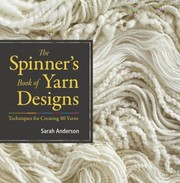
A systematic reference covering dozens of yarn structures — singles, plied, cabled, and novelty — with clear instructions. Reading it early establishes a mental map of where the whole curriculum is heading and gives precise language for yarn anatomy.
Fiber Knowledge & Preparation
IntermediateUnderstand the full range of spinnable fibers — wool breeds, plant fibers, and exotics — and master preparation methods (washing, combing, carding, and blending) so that fiber choice and prep become intentional creative decisions.
▸ Study plan for this stage
Pace: 4–5 weeks, ~20–25 pages/day, with 2–3 days per week dedicated to hands-on fiber prep work
- Fiber characteristics: staple length, crimp, luster, elasticity, and how these properties affect spinning behavior and final yarn
- Wool breeds and their fiber profiles: understanding which breeds produce which fiber types (fine, medium, long, coarse) and their best uses
- Plant fibers (cotton, linen, hemp, silk) and their distinct properties compared to wool—structure, preparation needs, and spinning challenges
- Exotic and specialty fibers: alpaca, mohair, angora, camel, yak, and blends—their characteristics and how to work with them
- Fiber washing and scouring: removing lanolin, dirt, and processing oils while preserving fiber integrity
- Combing and carding techniques: the difference between these methods and when to use each for different fiber types
- Fiber blending: intentional mixing of fibers to create specific yarn properties, aesthetics, and performance characteristics
- Fiber sourcing and evaluation: how to assess raw fiber quality and select appropriate fibers for your spinning goals
- What are the key fiber characteristics (staple length, crimp, luster, elasticity) and how do they influence how a fiber spins and how the resulting yarn performs?
- How do different wool breeds differ in fiber fineness, staple length, and best applications, and what would you choose for a specific project?
- What are the main structural and spinning differences between animal fibers (wool, alpaca, mohair) and plant fibers (cotton, linen, silk)?
- What is the purpose of washing and scouring fiber, what methods does Robson recommend, and how do you know when fiber is properly prepared?
- When would you card versus comb a fiber, and how do these preparation methods affect the final yarn structure and appearance?
- How do you intentionally blend fibers to achieve specific yarn properties (softness, luster, strength, color), and what are the practical limits of blending?
- Obtain samples of at least 5 different fiber types (e.g., merino wool, alpaca, cotton, linen, mohair) and document their staple length, crimp, luster, and elasticity by hand; compare your observations to Robson's descriptions
- Wash and scour a small batch of raw fleece using Robson's recommended method; document the process, water temperature, and how the fiber changes before and after
- Card a prepared fiber sample by hand or with hand carders, then comb another sample of the same fiber; spin small test yarns from each and compare the resulting yarn structure, appearance, and feel
- Create a fiber blending experiment: blend three different fiber combinations (e.g., wool + alpaca, wool + silk, cotton + linen) in different proportions; spin small samples and evaluate how the blend proportions affect the final yarn
- Visit a fiber supplier or online source and select a raw fleece based on Robson's fiber characteristics; plan a specific spinning project around that fiber's properties and document your reasoning
- Create a personal fiber reference chart for 8–10 fiber types, noting staple length, crimp, elasticity, best preparation method, and ideal spinning speed/technique based on Robson's guidance
Next up: This stage establishes your fiber literacy and preparation skills, enabling the next stage to focus on actual spinning techniques and yarn design with confidence that you understand how fiber choice and preparation directly shape the yarns you create.

The definitive reference on fiber breeds and types, with spinning notes for each. Reading this before diving into advanced technique ensures that every subsequent exercise is grounded in an understanding of why different fibers behave differently.
Wheel Spinning Mastery
IntermediateDevelop confident, consistent technique on the spinning wheel — controlling twist, tension, and drafting style — and understand how wheel mechanics translate directly into yarn character.
▸ Study plan for this stage
Pace: 6–8 weeks, ~20–25 pages/day with 3–4 spinning sessions per week (2–3 hours each)
- Wheel mechanics: how treadle action, flyer design, and bobbin speed ratios affect twist insertion and yarn formation
- Drafting control: managing fiber supply and draw-out speed to achieve consistent yarn diameter and twist distribution
- Tension management: balancing brake tension, bobbin load, and treadle rhythm to prevent over-twist and fiber breakage
- Intentional yarn design: using wheel settings, fiber preparation, and drafting technique to deliberately create specific yarn character (loft, crimp, ply structure)
- Muscle memory and rhythm: developing consistent treadle cadence and hand coordination as the foundation for reproducible results
- Fiber behavior: understanding how different fiber types (wool, silk, plant fibers) respond to twist and tension on the wheel
- Troubleshooting wheel spinning problems: diagnosing and correcting common issues like slubs, thin spots, and tension imbalances
- How do the flyer design and bobbin speed ratio of your wheel directly influence the amount of twist inserted into yarn, and how would you adjust your technique if you switched to a wheel with a different ratio?
- What is the relationship between treadle rhythm, drafting speed, and fiber tension, and how do you maintain control of all three simultaneously?
- Describe the difference between short-draw and long-draw drafting techniques: when would you use each, and what yarn characteristics does each produce?
- How would you intentionally spin a yarn with high loft versus a dense, low-loft yarn on the same wheel, using only changes to your technique and fiber preparation?
- What specific adjustments would you make to your wheel setup and spinning technique if you were spinning a delicate fiber like silk versus a robust fiber like coarse wool?
- How do you diagnose the cause of a slubby or inconsistent yarn—is it a wheel mechanics issue, a drafting control issue, or a fiber preparation issue—and what would you change?
- Spin 500 yards of consistent 2-ply yarn using a single drafting technique (short-draw or long-draw), measuring diameter every 50 yards and recording treadle rhythm; aim for ±0.5 mm consistency
- Deliberately spin three separate batches of the same fiber with intentionally different yarn character: one high-loft, one dense, one balanced; document your wheel settings and technique changes for each
- Practice treadle rhythm exercises: spin for 10 minutes at a steady, comfortable pace without adding fiber, focusing purely on consistent foot cadence and hand position
- Spin a 200-yard sample using only short-draw technique, then immediately spin another 200-yard sample using only long-draw technique with the same fiber; ply them together and compare the resulting yarn
- Troubleshoot a deliberately over-twisted and under-twisted yarn sample by adjusting one variable at a time (brake tension, treadle speed, or drafting speed) and document which change corrects the problem
- Spin a 100-yard sample each from three different fiber types (e.g., merino wool, silk, and plant fiber) at identical wheel settings, then compare how each fiber behaves and adjust your technique for each
Next up: This stage establishes the technical foundation and muscle memory needed to spin with intention; the next stage will build on this mastery by exploring advanced fiber blending, color work, and specialty yarns that demand precise control of the techniques you've now internalized.
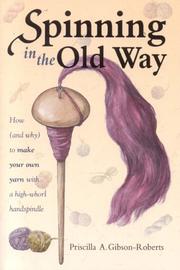
Gibson-Roberts's analysis of high-whorl spindle and early wheel technique is surprisingly technical and forces the spinner to think about twist angle and fiber geometry with precision. Reading it here deepens wheel intuition by connecting it to first principles.

A masterclass in deliberate, design-driven spinning on the wheel. McCuin teaches the spinner to set a target yarn spec and reverse-engineer every decision — fiber, prep, draft, twist — to hit it consistently. This is the core intermediate-to-advanced bridge book.
Plying, Structure & Finishing
ExpertMaster plying methods, cable and novelty constructions, and finishing techniques so that the handspun yarn is fully realized — balanced, durable, and fit for its intended purpose.
▸ Study plan for this stage
Pace: 4–5 weeks, ~25–30 pages/day, with 2–3 dedicated practice days per week for plying and finishing techniques
- Plying fundamentals: two-ply, three-ply, and multi-ply construction methods and their structural implications
- Cable and novelty yarn structures: how twist direction, fiber arrangement, and ply combinations create distinct yarn characteristics
- Yarn balance and twist management: achieving balanced plied yarns and understanding over-twist and under-twist problems
- Finishing techniques: washing, blocking, setting twist, and heat-setting to stabilize and finalize handspun yarn
- Yarn design for purpose: matching ply structure, fiber content, and finishing methods to intended end-uses (weaving, knitting, etc.)
- Dye interactions with plied and finished yarns: how structure affects dye uptake and color expression in finished work
- Troubleshooting plied yarns: identifying and correcting common defects in ply consistency, balance, and durability
- What are the key differences between two-ply, three-ply, and multi-ply constructions, and how does each affect yarn behavior and end-use suitability?
- How do you achieve yarn balance in plied yarns, and what are the signs of an unbalanced yarn?
- What finishing techniques does Taylor recommend in 'Yarns to Dye For' for setting twist and stabilizing handspun yarn, and why is each step important?
- How do cable and novelty yarn structures differ, and what design considerations does Lamb discuss in 'Spin to Weave' for creating yarns suited to weaving?
- What is the relationship between twist direction (S vs. Z), ply direction, and the final appearance and behavior of a plied yarn?
- How do dye uptake and color expression differ between single-ply and multi-ply yarns, and how can you use this knowledge intentionally in yarn design?
- Ply three different two-ply samples using the same base singles but varying twist angles and ply tension; wash and compare for balance and behavior
- Create a three-ply yarn and a cable yarn (ply of plies) from the same base singles; document structural differences and how each handles in your hands
- Practice the finishing techniques from 'Yarns to Dye For': wash, block, and set twist on three plied yarn samples; measure and record changes in yardage, grist, and balance
- Design and spin a novelty yarn structure inspired by Lamb's examples in 'Spin to Weave'; document the construction method and test its behavior on a small weaving sample
- Dye a finished plied yarn and a single-ply yarn with the same dye bath; compare color uptake, evenness, and final appearance to understand structure's role in dye expression
- Troubleshoot an intentionally unbalanced plied yarn: identify the problem, re-ply a corrected version, and document the differences in the finished product
Next up: This stage equips you with the technical mastery and intentional design skills to create finished, purpose-driven yarns; the next stage will likely focus on scaling production, developing a consistent yarn line, or exploring advanced color and texture integration in finished work.

Covers how yarn structure interacts with dye uptake and finishing, tying together plying decisions with the final look and hand of the yarn. Reading it after mastering spinning technique adds the finishing dimension that completes a yarn's life cycle.

Pushes the spinner to think about end use — specifically weaving — which demands precise, consistent yarn in ways knitting does not. Working through Lamb's yarn-design challenges at this stage sharpens every technical skill learned in earlier stages.
Discussion
Keep reading
Paths that share books, cover the same subject, or open a related topic.