The Best Books to Learn Mahjong
This curriculum takes a beginner from zero knowledge of mahjong all the way through advanced strategy across three major traditions: American, classic Chinese, and Japanese Riichi. It starts by building a shared foundation of tiles, terminology, and basic rules, then branches into each variant's deeper strategy, and finally synthesizes competitive-level thinking for the most tactically rich format — Riichi mahjong.
Foundations: Tiles, Terms & Basic Rules
BeginnerRecognize all tile types, understand the universal structure of a mahjong hand, and grasp the core rules shared across all major variants.
▸ Study plan for this stage
Pace: 4–5 weeks, ~25–30 pages/day. Start with Kanai's concise introduction (estimated 80–100 pages), then move to Millington's foundational chapters on tiles and rules (estimated 120–150 pages). Allow 2–3 days per major concept for absorption and review.
- The four tile suits (bamboo, character, dot, honor) and their symbols, values, and roles in hand composition
- Winds and dragons as honor tiles, and their significance in melds and winning conditions
- Hand structure: the 13-tile waiting hand, the 14-tile winning hand, and the concept of melds (pung, kong, chow)
- Winning patterns: eyes (pair), melds, and how they combine to form a complete hand
- The universal turn sequence: drawing, discarding, and the windows of opportunity for other players to claim tiles
- Scoring principles and how different melds and winning conditions affect hand value
- The distinction between concealed and exposed melds, and how they affect gameplay and scoring
- Can you identify all 34 unique tiles in a standard mahjong set and explain the purpose of each suit?
- What is the difference between a 13-tile hand and a 14-tile hand, and why is this distinction critical to winning?
- Describe the three types of melds (pung, kong, chow) and explain which tiles can form each type.
- What are the four winds and three dragons, and how do they function differently from number tiles in hand composition?
- Walk through a complete turn sequence: what are the mandatory and optional actions a player can take?
- How do concealed versus exposed melds affect both gameplay strategy and the final score?
- What makes a hand a winning hand, and what are the minimum requirements across all major variants?
- Tile identification drill: Using a physical or digital mahjong set, sort all 136 tiles by suit and type, then practice naming each tile in both English and traditional notation.
- Hand composition practice: Lay out 13 random tiles and identify which tiles would complete the hand into a winning configuration (find all possible winning tiles).
- Meld recognition: Given 20 random tiles, identify all possible pung, kong, and chow combinations that could be formed.
- Turn sequence simulation: Play through 5–10 solo practice rounds where you draw, organize your hand, and discard, narrating each decision aloud to internalize the flow.
- Scoring scenario analysis: Read 6–8 worked examples from Millington's scoring section, then create your own hand and calculate its score using the rules presented.
- Variant comparison chart: Create a one-page reference table comparing how the three major variants (Chinese Classical, Hong Kong, Japanese) differ in winning conditions, melds, and scoring—grounded in Millington's coverage.
- Live play observation: Watch 2–3 online mahjong games (YouTube or streaming) and pause frequently to identify tiles, melds, and turns, narrating what you observe.
Next up: This stage equips you with the vocabulary and visual recognition skills to understand tile combinations and hand structure, preparing you to move into the next stage where you'll learn strategy, reading opponents' discards, and decision-making in actual gameplay.

A classic introductory text that clearly explains the full tile set, basic hand construction, and fundamental rules in plain language — the ideal first read before tackling any specific variant.

Provides a thorough grounding in the history and structure of the game across its main forms, giving the beginner essential context and vocabulary before diving into variant-specific rules.
American Mahjong: Rules & Play
BeginnerLearn the specific rules, Charleston, and hand categories of American mahjong as standardized by the National Mah Jongg League, and play a complete game confidently.
▸ Study plan for this stage
Pace: 4–5 weeks, ~25–30 pages/day (approximately 140–150 pages total across both books)
- The 144-tile set composition (suits, honors, flowers, seasons) and their roles in American mahjong
- The Charleston: the three-pass tile exchange mechanism and its strategic importance in hand development
- Hand categories and patterns: Pung, Kong, Chow, Eyes, and how they combine into winning hands per the NMJL standard
- The NMJL card system: how to read and use the official hand reference card to identify legal winning combinations
- Tile discarding strategy, exposure of melds, and the mechanics of claiming tiles (Pung, Kong, Chow)
- Winning conditions: going Mah Jongg, dead hands, and the scoring/settlement system
- Game flow and etiquette: dealing, the wall, turns, and the role of East/South/West/North players
- What are the four suits and honor tiles in a standard 144-tile mahjong set, and how many of each tile exist?
- Explain the three passes of the Charleston and why strategic tile selection during this phase is critical to your hand's potential
- What is the difference between a Pung, a Kong, and a Chow, and how do these melds combine to form a winning hand?
- How do you use the NMJL hand reference card to verify that a combination of melds and a pair constitutes a legal winning hand?
- Describe the turn sequence in American mahjong: what actions can a player take, and when can other players claim a discarded tile?
- What happens when a hand becomes 'dead,' and what are the consequences for the player?
- Physically sort and identify all 144 tiles by suit and honor; practice naming tiles aloud to build recognition speed
- Play through a mock Charleston with a partner or solo: practice the three-pass exchange and explain your strategic choices for each pass
- Lay out 13 random tiles and identify all possible Pungs, Kongs, and Chows within that hand; repeat 5–10 times to internalize meld patterns
- Using the NMJL hand reference card, verify 10–15 different hand combinations (both legal and illegal) to develop fluency with the card
- Simulate a complete game turn-by-turn: draw a tile, discard, respond to discards (claim or pass), and track the wall and exposed melds
- Play 3–5 complete games with friends or online, focusing on applying the Charleston strategy and hand-reading skills from the books
Next up: Mastering American mahjong's rules, Charleston mechanics, and hand recognition equips you to move into the next stage—advanced strategy and defensive play—where you'll learn how to optimize your discards, read opponents' hands, and make high-level decisions about when to claim tiles or go for riskier combinations.

Focuses specifically on the American tradition, walking through the NMJL card system, the Charleston, and hand-building strategy in an accessible, visually rich format perfect for new players.

Written by one of the most respected mahjong educators in the West, this book compares American and Chinese Classical rules side by side, deepening understanding of why American rules differ and how to master both.
Classic Chinese Mahjong: Strategy & Scoring
IntermediateUnderstand Chinese Classical mahjong's scoring system, hand values, and intermediate strategic concepts such as tile efficiency and reading the discard pool.
▸ Study plan for this stage
Pace: 4-5 weeks, ~25-30 pages/day with daily practice
- The complete Chinese Classical mahjong scoring system (fan, points, and payment calculations)
- Hand structure fundamentals: melds (pung, kong, chow), eyes, and winning combinations
- Tile efficiency and hand progression: identifying useful tiles, dead tiles, and optimizing draw decisions
- Reading the discard pool: inferring opponent hands, tracking discards, and adjusting strategy accordingly
- Intermediate strategic concepts: balancing offense and defense, managing tile visibility, and adapting to game flow
- Common winning patterns and their point values in Chinese Classical mahjong
- The relationship between hand concealment and scoring potential
- How is the fan (point multiplier) system calculated in Chinese Classical mahjong, and how does it translate to final payment amounts?
- What are the key differences between pung, kong, and chow melds, and how do they affect hand structure and tile efficiency?
- How do you evaluate which tiles are 'useful' versus 'dead' when deciding what to discard, and how does this change as the game progresses?
- What strategic information can you extract from the discard pool, and how should this influence your hand-building decisions?
- Describe at least three intermediate strategic principles for balancing offense (pursuing your own winning hand) with defense (blocking opponents).
- Work through 10-15 scoring examples from Whitney's handbook, calculating fan values and final payments for different hand combinations
- Analyze 5 sample discard sequences and identify what opponent hands are likely based on the tiles thrown and the order they were discarded
- Play 3-5 practice games (online or with friends) while keeping a log of your tile decisions and noting which discards you regret in hindsight
- Create a personal reference chart of 15-20 common winning patterns with their fan values and point calculations for quick lookup during play
- Solve 8-10 'tile efficiency puzzles' where you decide which tile to discard from a given hand, explaining your reasoning based on Whitney's principles
- Review one complete game transcript (your own or a recorded game) and annotate it with strategic observations about tile efficiency and discard reading
Next up: This stage equips you with the scoring mechanics and intermediate strategic foundations needed to progress toward advanced tactical concepts, such as probability-based hand selection, sophisticated defensive positioning, and reading subtle patterns in opponent behavior.

A well-regarded guide to classical mahjong that goes beyond rules into scoring nuance and hand-selection strategy, bridging the gap between knowing how to play and playing well.
Japanese Riichi Mahjong: Rules & Core Strategy
IntermediateLearn the unique rules of Riichi mahjong — including the riichi declaration, dora, furiten, and yaku system — and build a solid foundation for competitive play.
▸ Study plan for this stage
Pace: 4–5 weeks, ~40–50 pages/day with daily practice hands
- The riichi declaration mechanic and its strategic implications for declaring vs. concealing your hand
- Dora and ura-dora: how bonus tiles increase hand value and affect hand evaluation
- Furiten rule: how discarding a tile prevents you from winning on that tile, and its impact on hand strategy
- The yaku system: understanding the 15+ basic yaku and their point values, and how yaku combinations multiply scoring
- Hand evaluation and tile efficiency: calculating winning probability and choosing which tiles to discard
- Meld types (pon, kan, chii) and their role in hand speed vs. value trade-offs
- Scoring calculations: converting base points to actual payments based on who dealt and hand type
- What is riichi, when can you declare it, and what are the strategic advantages and risks of declaring riichi?
- How do dora and ura-dora work, and how do they affect your hand evaluation and decision-making?
- Explain the furiten rule and describe a scenario where furiten prevents you from winning on a tile you discarded earlier.
- Name at least 10 basic yaku and explain how yaku combinations (e.g., two yaku in one hand) affect your final score.
- Given a specific hand state (tiles in hand, discards, melds), how would you evaluate whether to continue or fold, and which tile to discard next?
- What is the difference between tanyao, chanta, and honroutou, and when would you pursue each?
- Work through 20–30 hand-reading problems from the book: identify all winning tiles, calculate points, and spot furiten traps
- Play 10 practice hands against an AI or online platform (e.g., Mahjong Soul, Tenhou) and record your decisions and outcomes
- Create a personal yaku reference card with all 15+ basic yaku, their point values, and one example hand for each
- Analyze 5 real game replays (available on Tenhou or YouTube): pause at key decision points and predict the next move before watching the solution
- Drill furiten scenarios: given a discard history and current hand, identify which tiles are furiten and why
- Practice hand evaluation: given 13 tiles, determine the best tile to discard and explain your reasoning using tile efficiency concepts
Next up: This stage equips you with the rule set and foundational strategy needed to play competitively; the next stage will deepen your tactical decision-making by teaching position-aware play, reading opponents, and advanced hand management in different game situations.
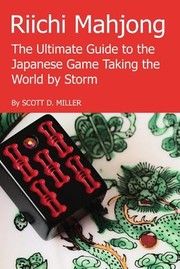
The most comprehensive English-language guide to Riichi mahjong, systematically covering every yaku, the scoring table, and defensive concepts — the essential starting point for this variant.
Discussion
Keep reading
Paths that share books, cover the same subject, or open a related topic.