The antiques world is full of confident guesses dressed up as facts. A piece can look old and be worthless, or look ordinary and be rare. Newcomers overpay for reproductions, miss the tells of a fake, and misjudge condition. The remedy is not a good eye you are born with; it is a trained one, and training comes in a sensible order.
Start by learning to see quality and spot fakes, then build a pricing and category vocabulary, and finally learn the trade itself, how to buy, sell, and appraise. Each book adds a skill the next one assumes.
Train your eye
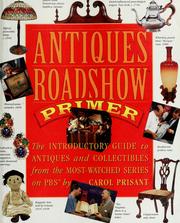
Begin with Antiques roadshow primer by Carol Prisant, a friendly, broad introduction to how experts actually evaluate objects. Then keep Miller's The Concise Antiques Handbook & Price Guide by Judith Miller close as a reference across categories. Crucially, read The Official Guide to Fakes and Forgeries by Mark Chervenka early, because knowing the tells of reproduction is the single most valuable defensive skill a collector can have.
Learn to price and categorize
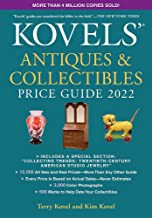
Now build market knowledge. Antiques and Collectibles: How to Buy, Sell, and Make Money by Darryl Rehr connects evaluation to real transactions, and price guides like Kovels' Antiques and Collectibles Price Guide 2022 and Warman's Antiques & Collectibles 2008 Price Guide teach you the ranges and categories that anchor value. For a focused specialty, Field guide to American antique furniture by Joseph T. Butler trains you to read construction, wood, and style, the core of one of the biggest collecting fields.
Work the trade
Finally, learn to operate. The Antiques Dealer's Guide to Buying and Selling by Harry L. Rinker and Picker's Pocket Guide: How to Pick Antiques Like the Pros by Eric Bradley teach sourcing and dealing in the real world. For formal valuation, Appraising Personal Property is the professional grounding, and Collecting Art for Love, Money and More by Madeleine Morel widens the lens to art with a collector's clear-eyed view.
Work these in order and you will buy on evidence instead of hope. Follow the full path from spotting a fake to dealing with the confidence of a pro.
Follow the full reading path →
Ready to learn something deeply?
Build a reading path — free