The Best Books on Rare Book Collecting
This curriculum is designed for an intermediate learner who already has a general love of books and wants to develop serious bibliophilic expertise. The path moves from foundational vocabulary and collecting philosophy, through hands-on identification and valuation skills, and finally into the advanced world of rare book hunting, auction strategy, and building a meaningful personal library.
The Bibliophile's Foundation
IntermediateBuild the essential vocabulary of the rare book world — edition points, condition grading, binding terminology, and the mindset of a serious collector — so every subsequent book makes immediate sense.
▸ Study plan for this stage
Pace: 6–8 weeks, ~40–50 pages/day (alternating between Basbanes and Ahearn for variety and reinforcement)
- The psychology and passion driving serious book collectors—obsession as both joy and burden
- Edition points and first edition identification—how to spot what makes a book rare and valuable
- Condition grading systems (Fine, Very Fine, Fine, Good, Fair, Poor) and how condition dramatically affects value
- Binding terminology and cloth/leather identification—understanding the physical construction of collectible books
- Provenance and ownership marks—how to trace a book's history and authenticate its significance
- Market dynamics and pricing—understanding rarity, demand, and how value is determined in the rare book trade
- The collector's mindset—developing judgment about what to collect and why, beyond mere accumulation
- What are the key 'edition points' that distinguish a first edition from later printings, and how do you identify them in a specific book?
- How does condition grading work, and why can a single grade difference (e.g., Fine vs. Very Fine) dramatically change a book's market value?
- What is provenance, and how do you evaluate whether a book's ownership history adds to or detracts from its collectibility?
- Describe the difference between cloth and leather bindings, and explain what terminology (e.g., 'full cloth,' 'half leather,' 'dust jacket') tells you about a book's construction.
- What psychological and practical factors drive collectors to pursue specific categories or authors, and how does this relate to building a coherent collection?
- How do rarity, condition, and demand interact to determine a book's market price, and what role does the rare book trade play in setting these values?
- Create a personal 'edition points checklist' for 3–5 books you own or have access to: identify the title page, copyright page, dust jacket, and any distinguishing marks that indicate first edition status.
- Visit a rare book dealer's website or local antiquarian bookshop and grade 5 books using the standard condition scale (Fine, Very Fine, Fine, Good, Fair, Poor); write one sentence explaining your grade for each.
- Research the provenance of one book in your personal collection: document any inscriptions, bookplates, or ownership marks, and investigate whether these add historical or monetary value.
- Examine 3 books with different binding types (cloth, leather, boards) and write a short description of each using proper binding terminology (e.g., 'full cloth with gilt spine lettering,' 'half leather with marbled boards').
- Interview a local rare book dealer or collector (in person or via email) about what draws them to their specialty and how they decide what to acquire; summarize their answer in 1–2 pages.
- Start a 'collector's journal' documenting 5 books you'd like to collect someday: for each, note the edition points that matter, the condition you'd accept, the approximate market price, and why you want it.
Next up: This foundation in vocabulary, condition assessment, and collector psychology equips you to evaluate specific collecting categories (antiquarian literature, first editions, signed copies, etc.) and to navigate real-world acquisition decisions with confidence in the next stage.
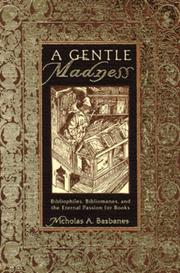
A sweeping, narrative-driven portrait of book collectors throughout history that instills the culture, passion, and obsession of bibliophily. Reading this first gives you the 'why' before the 'how.'
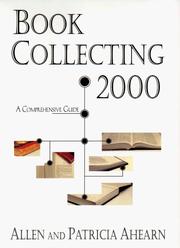
A practical, authoritative reference that introduces the core mechanics of collecting — what makes a first edition, how points are identified, and how condition is assessed. Essential vocabulary-builder for everything that follows.
Identifying & Valuing First Editions
IntermediateLearn to reliably identify first editions across publishers and eras, understand what drives value, and begin using the standard references that dealers and serious collectors rely on.
▸ Study plan for this stage
Pace: 8–10 weeks, ~25–30 pages/day, with 2–3 days per week dedicated to hands-on reference work and collection examination
- How to identify first editions using publisher marks, copyright page conventions, and dust jacket details across different eras and imprints
- The distinction between true first editions and later printings, including how to read and interpret points of issue
- What drives market value in first editions: rarity, condition, provenance, demand, and historical significance
- How to use Zempel's identification guide, Ahearn's valuation framework, and McBride's points system as practical reference tools
- The role of dust jackets, binding variations, and typography in establishing edition priority and authenticity
- How to cross-reference multiple sources to confirm edition status and avoid common misidentifications
- The economics of first edition collecting: pricing trends, market segments, and how condition grades affect value
- How do you identify a true first edition using the copyright page, and what are the key differences in how major publishers marked first printings across the 20th century?
- What are 'points of issue' and how do they help establish priority between competing claims of 'first edition' status?
- How do dust jacket condition, binding variants, and typography contribute to the value and identification of a first edition?
- What factors beyond rarity determine the market value of a first edition, and how does Ahearn's framework help you assess these?
- How would you use Zempel, Ahearn, and McBride together to confidently identify and value a book you've never encountered before?
- What are common pitfalls collectors make when identifying first editions, and how can you avoid them?
- Create a personal reference index: as you read Zempel, compile a one-page cheat sheet for each major publisher (Random House, Knopf, Simon & Schuster, etc.) showing how they marked first editions across decades
- Examine 10–15 books from your own collection or a library: for each, use Zempel's guide to determine edition status, then cross-check with Ahearn's valuation criteria and note any points of issue you can identify
- Select 3–5 books that appear in McBride's Points of Issue; obtain copies (or high-quality images) and physically verify the points he lists, documenting what you find
- Build a value comparison chart: pick 5 titles across different genres and eras, research their market prices using Ahearn's framework, and explain why prices vary (condition, rarity, demand)
- Conduct a 'blind identification' exercise: have a colleague or mentor give you 5 unmarked books; identify the edition status using only your reference materials, then reveal answers and discuss misses
- Visit a rare book dealer or antiquarian fair and ask the dealer to walk you through how they identify and price 3–4 books; take detailed notes on their decision-making process
Next up: This stage equips you with the technical foundation and reference tools to confidently identify and value first editions, preparing you to move into the next stage where you'll learn to build a focused collection strategy, authenticate high-value acquisitions, and navigate the dealer and auction markets with expertise.

The canonical reference for identifying first editions by publisher — organized so you can look up any major publisher's historical practices. Read this before hunting so you can spot what you're looking at.
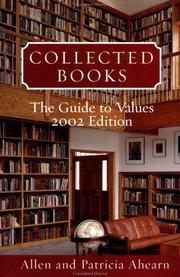
Ahearn's companion price guide translates identification into valuation, showing which authors and titles command serious money and why. Reading it after the identification guide lets you immediately apply values to what you can now recognize.
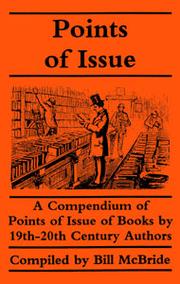
A focused, practical guide to the specific bibliographic 'points' — textual and physical details — that distinguish true first printings from later ones. Deepens the identification skills built in the previous two books.
The Art & Craft of Building a Library
IntermediateDevelop a personal collecting philosophy, understand how to care for and house rare books, and learn to navigate the marketplace — dealers, auctions, and online sources — with confidence.
▸ Study plan for this stage
Pace: 6–8 weeks, ~40–50 pages/day (with reflection days built in)
- How personal collecting philosophy is shaped by passion, budget, and long-term vision—not impulse or trend-chasing
- The role of provenance, condition, and rarity in determining a book's value and collectibility
- Practical conservation techniques: proper handling, storage environment, binding repair, and pest prevention
- The marketplace ecosystem: understanding dealer networks, auction house dynamics, pricing strategies, and online platforms
- How to evaluate condition and assess authenticity when acquiring rare books
- Building relationships with dealers and scouts as a collector's competitive advantage
- The ethical and financial risks of the rare book market, including forgeries, misrepresentation, and speculative bubbles
- What is your personal collecting philosophy, and how do Basbanes' collector profiles help you articulate your own priorities and constraints?
- How do you assess a rare book's condition and authenticity, and what red flags should alert you to potential problems or misrepresentation?
- What are the key environmental and handling practices needed to preserve a rare book collection long-term, and why does each matter?
- How do dealer networks, auction houses, and online marketplaces differ in terms of pricing, access, and risk—and which channels align with your collecting goals?
- What is provenance, why does it matter, and how do you research and verify the ownership history of a book you're considering?
- How can you build relationships with dealers and scouts to gain access to better inventory and negotiate fair prices?
- Read Basbanes' profiles of collectors and write a 2–3 page personal collecting manifesto: your focus areas, budget, timeline, and non-negotiable standards
- Visit a rare book dealer in person (or virtually) and examine 3–5 books; practice assessing condition using Rosenberg's grading framework and document your findings
- Conduct a condition audit of 5–10 books you already own; identify conservation needs and create a prioritized care plan using Rosenberg's guidance
- Research the provenance of one book in your collection or one you're considering acquiring; document its ownership history and note any gaps or concerns
- Attend an auction preview or browse an online auction catalog; select 3 books, research comparable sales, and estimate fair market value before the sale
- Interview or email a rare book dealer about their sourcing, pricing, and relationship-building practices; synthesize insights into a 1-page dealer strategy guide for yourself
Next up: This stage equips you with the philosophy, preservation skills, and marketplace literacy needed to move into the next stage—where you'll refine your eye for specific collecting niches, develop advanced authentication and valuation expertise, and execute a strategic acquisition plan.
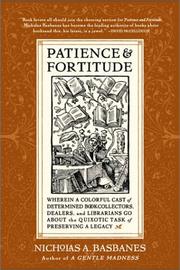
Basbanes profiles the institutions, dealers, and private collectors who have shaped great libraries, offering a masterclass in intentional, strategic collecting. Best read once you have the technical basics and are ready to think about vision.
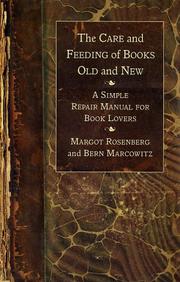
A practical guide to preserving, storing, and repairing books — knowledge every serious collector needs before acquiring valuable items. Pairs naturally with the marketplace knowledge gained in this stage.
Advanced Hunting & Deep Expertise
ExpertThink like a professional — understand auction dynamics, provenance, forgery detection, and the deeper bibliographic scholarship that separates serious collectors from casual ones.
▸ Study plan for this stage
Pace: 4–5 weeks, ~40–50 pages/day, with 2–3 days per week for reflection and exercises
- Collector psychology and motivation: understanding what drives serious collectors and how obsession shapes collecting behavior
- Provenance research and authentication: methods for tracing ownership history and verifying authenticity of rare books
- Market dynamics and auction strategy: how to read auction catalogs, assess fair value, and navigate competitive bidding environments
- Forgery and fraud detection: recognizing common forgery techniques, understanding binding variants, and identifying red flags in rare book descriptions
- Bibliographic scholarship: using detailed collation, points, and variant analysis to distinguish editions and establish rarity
- The role of dealers, scouts, and networks: how professional relationships and insider knowledge shape acquisition opportunities
- Condition assessment and conservation ethics: evaluating wear, damage, and restoration in ways that preserve value and historical integrity
- What psychological and emotional factors drive collectors to pursue rare books obsessively, and how does Basbanes illustrate these motivations through specific collector profiles?
- How do you conduct a thorough provenance investigation, and what red flags should alert you to potential forgeries or misattributed copies?
- What strategies do professional collectors use to navigate auctions, and how do they determine fair market value for a rare book?
- How can you use bibliographic points, collation, and variant analysis to authenticate a book and understand its true rarity?
- What is the relationship between condition, conservation, and value in rare book collecting, and when is restoration justified?
- How do professional networks, dealers, and scouts influence the rare book market, and what advantages do insiders have?
- Create detailed collector profiles: Choose 3–4 collectors mentioned in *Among the Gently Mad* and write 1–2 page profiles analyzing their motivations, acquisition strategies, and the psychological drivers behind their obsessions.
- Conduct a mock provenance investigation: Select a rare book you have access to (or research online) and trace its ownership history as far back as possible, documenting each owner, inscription, or mark. Identify any gaps or suspicious elements.
- Analyze an auction catalog: Obtain a real rare book auction catalog (online or from a dealer) and write critical notes on 5–10 lots, assessing the descriptions, estimated values, and identifying potential overpricing or undervaluation.
- Forgery detection exercise: Study 3–4 examples of forged or heavily restored rare books (through images, dealer descriptions, or library resources). Write a technical analysis of how to spot each forgery using binding, typography, paper, or provenance clues.
- Bibliographic collation practice: Choose a book with known variants or points (e.g., a first edition with multiple states). Create a detailed collation checklist documenting all the points that distinguish the true first from later printings.
- Interview or correspondence with a dealer or collector: Reach out to a rare book dealer or serious collector and conduct a 30–45 minute interview about their authentication methods, market insights, and acquisition strategies. Summarize key takeaways.
- Condition and conservation assessment: Examine 2–3 rare books in person (at a library, dealer, or collection) and write detailed condition reports, noting wear, repairs, and conservation needs. Assess how condition affects value.
Next up: This stage establishes you as a thinking professional who understands the human, market, and technical dimensions of rare book collecting—preparing you to either specialize in a particular genre or era, develop your own collection strategy with expert judgment, or move into professional roles in curation, dealing, or scholarship.
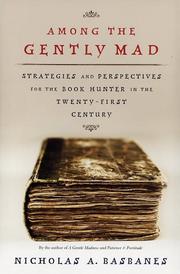
Basbanes distills practical strategies for finding, acquiring, and building a collection on any budget — a direct, actionable guide that rewards readers who now have the full context from earlier stages.
Discussion
Keep reading
Paths that share books, cover the same subject, or open a related topic.