Montalbano Reading Order: Where to Start
Unlike most long-running detective series, Montalbano genuinely rewards reading in order: Camilleri wrote the books across twenty-five years, the recurring cast changes, Montalbano visibly ages, and the last novel was written early and locked in a drawer to be published after his death. Read them in the English publication sequence, which follows the Italian. This path takes you from the first novel through the mature run and out to the ending Camilleri wrote in advance.
Start at the beginning
BeginnerMeet Montalbano, Vigàta and Camilleri's comic register, and get used to a translation that keeps the Sicilian dialect audible.
▸ Study plan for this stage
Pace: Three weeks for the three. The Shape of Water is short and fast, The Terra-Cotta Dog and The Snack Thief run to roughly 300 pages each — about thirty pages an evening is right. Do not rush the first fifty pages of The Shape of Water: you are learning a translation convention as well as a cast, and t
- Unlike most long detective series, Montalbano genuinely rewards reading in order — the cast changes, Montalbano visibly ages, and Camilleri wrote the books across twenty-five years as one arc
- These are translations from Italian, and Stephen Sartarelli's English versions are a large part of what English readers mean by Montalbano: he renders Camilleri's mix of standard Italian and Sicilian by inventing an English equivalent rather than flattening it
- Catarella's mangled speech is the most visible case — in Italian it is dialect and malapropism, in English it is a constructed idiolect, and readers either find it delightful or find it the hardest thing on the page
- Sartarelli's endnotes at the back of each volume explain Sicilian food, politics and references; they are worth reading and easy to miss entirely
- The Shape of Water establishes Vigàta, the squad and the local politics that every later book assumes — it is short, and it is the only correct entry point
- The Terra-Cotta Dog is where Camilleri's ambition shows: a wartime mystery buried inside a Mafia case, and the book most readers name as the one that hooked them
- The Snack Thief introduces the child François and the strain he puts on Montalbano's relationship with Livia, which runs through the rest of the series — skipping it makes later books confusing
- Food is not decoration: meals are where Montalbano thinks, and the descriptions are precise enough to cook from
- How does Sartarelli signal Sicilian dialect in English, and what would be lost if he had simply written it as standard English?
- What does The Shape of Water establish about Vigàta's politics that the later books never bother to re-explain?
- In The Terra-Cotta Dog, how do the wartime story and the Mafia story connect, and which is the book actually about?
- What changes in Montalbano's relationship with Livia in The Snack Thief, and why does it matter for the rest of the series?
- Pick one meal in these three books. What is Montalbano doing emotionally while he eats it?
- Read Sartarelli's endnotes for the first book after finishing it, then check how many of the references you had silently skipped past.
- Give Catarella three chapters before you decide about him. Almost everyone finds the speech grating first and funny later.
- Keep a list of the squad — Fazio, Augello, Catarella — with one line each on what they are for. Camilleri will not reintroduce them.
- Cook or look up one dish Montalbano eats. The food is real Sicilian cooking, and doing this once changes how the meals read.
Next up: You have Vigàta, the squad and the translation's conventions; the next three books settle into the rhythm they make possible.

The first novel and the correct entry point: it establishes Vigàta, the squad and the local politics that every later book assumes. Short and fast.

The second book and the one where Camilleri's ambition shows — a wartime mystery buried inside a Mafia case. Many readers say this is where they were hooked.
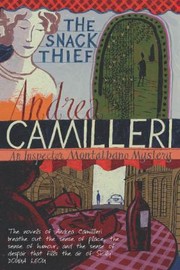
Introduces the child François and the strain he puts on Montalbano's relationship with Livia, which runs through the rest of the series. Skipping it makes later books confusing.
Hitting his stride
BeginnerRead the middle-early novels where the series settles into its rhythm of food, politics and comic set pieces.
▸ Study plan for this stage
Pace: Three to four weeks. These run 250–310 pages each and read quickly once the idiom is familiar — forty pages an evening is comfortable. Read Rounding the Mark last in this stage and leave a gap after it; it is the angriest book in the series and the next stage picks up directly from its consequences.
- Voice of the Violin is the most tightly plotted of the early books and the closest Camilleri comes to a conventional detective novel — useful as a contrast with everything around it
- Excursion to Tindari runs two unrelated cases that converge, and is the first book to write Montalbano as a man conscious of getting old; that theme then dominates the rest of the series
- Rounding the Mark was written out of Camilleri's disgust at Italian politics and at the treatment of migrants, and it very nearly ends the series inside its own first chapter
- The series is politically engaged in a specific Italian way: the Mafia is background rather than subject, and the real targets are the police hierarchy, the church and the political class
- Comedy and anger sit in the same book without either cancelling the other — a set piece with Catarella can appear pages from a corpse pulled out of the sea
- Montalbano's method is instinct plus stubbornness plus a willingness to withhold information from his superiors; procedure is something he works around
- Camilleri's chapters are short and end on small hooks, which is why the books read faster than their page counts suggest
- The recurring cast is now doing real work: Livia's absences, Augello's ambitions and Fazio's loyalty all carry plot weight rather than colour
- Voice of the Violin plays fair with clues in a way the others do not. Does that make it better or does it lose something?
- In Excursion to Tindari, at what point do the two cases turn out to be one, and does the convergence feel earned?
- What is Rounding the Mark actually angry about, and how does the opening chapter make that anger structural rather than editorial?
- How does Camilleri move between comedy and horror inside a single book without breaking the tone?
- What has changed about Montalbano's attitude to his own job by the end of this stage?
- Mark the first chapter of Rounding the Mark and come back to it after finishing the book. It is a threat the series makes to itself.
- Track the ageing: note every reference to Montalbano's body, health or memory across these three books. The count is higher than you expect.
- Write down what the Italian state looks like in these novels, drawing only on how officials behave. That portrait is the series' politics.
- Read one chapter aloud. The dialogue rhythm, especially the interrogations, is built for the ear.
Next up: Rounding the Mark leaves Montalbano physically and morally damaged, and the next book opens on exactly that.
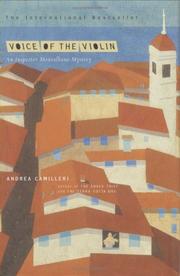
The most tightly plotted of the early books and the one that most resembles a conventional detective novel — a good contrast with what surrounds it.
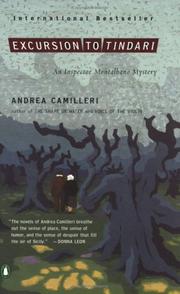
Two unrelated cases that converge, and the first time Camilleri writes Montalbano as a man aware he is getting old. The theme dominates the rest of the series.

The angriest book in the run, written out of Camilleri's disgust at Italian politics and the treatment of migrants. It nearly ends the series inside its own first chapter.
The mature novels
IntermediateRead the run most readers name as the series at its peak, when the comedy and the melancholy are fully balanced.
▸ Study plan for this stage
Pace: Four to five weeks for the four, at 250–290 pages each. Read The Patience of the Spider immediately after Rounding the Mark — it is directly continuous with it. The other three can be spaced out. Allow a pause after August Heat; several readers find its ending genuinely upsetting and go straight int
- This run is what most readers mean by the series at its peak: the comedy and the melancholy are fully balanced and the cast needs no introduction
- The Patience of the Spider has Montalbano convalescing, working a kidnapping from his bed — it is continuous with the previous book and loses much of its point read out of sequence
- The Paper Moon has a more intricate plot than usual and is one of the funniest in the series, which shows how much control Camilleri had once the cast was fixed
- August Heat is the darkest of the mid-run and structurally the most surprising, with an ending that a significant number of readers find hard to forgive
- The Potter's Field won the CWA International Dagger and is often named the best of all; its power comes from how long you have known the squad, so it does not travel well as a standalone
- Camilleri's Sicily is a real place with real weather, and the heat, the sea and the seasons determine the pace of the investigations
- Montalbano's moral compromises grow across this run: he conceals, he manipulates and he decides who deserves the law — the books do not pretend this is admirable
- Sartarelli's translation is at its most confident here, and the dialect handling has stopped announcing itself
- The Patience of the Spider confines its detective to a bed. What does the constraint force Camilleri to do differently?
- What makes The Paper Moon funny, given that its plot is one of the darkest in the sequence?
- August Heat's ending divides readers. State the case for it as a deliberate choice rather than a misjudgement.
- Why is The Potter's Field so dependent on the earlier books? Identify the specific relationships it draws on.
- How has Montalbano's relationship with the law changed since The Shape of Water?
- Which of these four would survive being read first, and which would be ruined by it?
- Read The Patience of the Spider within a week of Rounding the Mark. If you cannot, reread the last chapter of the earlier book first.
- After August Heat, write a paragraph on why the ending affected you. This is the book where readers discover what they actually want from the series.
- In The Potter's Field, list the moments that would mean nothing to a first-time reader. That list is the argument for reading in order.
- Note the weather in each of the four. Camilleri uses heat and sea the way other crime writers use rain, and it is doing structural work.
- Keep a tally of the meals and where they fall in each investigation. They almost always precede a decision.
Next up: The squad, the town and the detective's decline are all fully drawn — which is the only condition under which the final book makes sense.
Montalbano convalescing after the events of the previous book, working a kidnapping from his bed. Directly continuous with Rounding the Mark, so read it next.
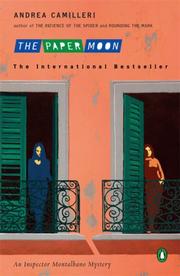
A more intricate plot than usual and one of the funniest books in the series. A good demonstration of Camilleri's control once the cast is fully established.

The darkest of the mid-run and structurally the most surprising, with an ending that some readers find genuinely upsetting. Worth reaching.

Won the CWA International Dagger and is often the book people name as the best of all. Its power depends on how long you have known Montalbano's squad.
The ending Camilleri wrote in advance
IntermediateFinish the series properly, and understand why this book was written decades before it was published.
▸ Study plan for this stage
Pace: A week for around 380 pages, and read nothing else while you are in it. This is the one book in the series that must not be read out of order, and it is also the one most worth reading slowly. If it has been more than a few months since the previous stage, spend an evening skimming your notes on the
- Riccardino was written in 2005, revised in 2016, and locked away to be published only after Camilleri's death — it is the deliberate final Montalbano, written decades before it appeared
- Camilleri wrote it partly as insurance against losing the ability to end the series himself, which is why it exists at all
- The author appears in the book as a character, and Montalbano argues with him about the version of himself in the novels and on television
- That device is the reason the book is meaningless out of order: it depends entirely on the reader having a settled idea of Montalbano to be contradicted
- The published version keeps the 2016 revision, so the language reflects late Camilleri while the plot structure is from 2005 — the seam is visible if you look for it
- It is a genuine ending rather than an open door: the series stops here and stays stopped
- The television adaptation is explicitly present in the book's argument, which makes this the one Montalbano where the screen version is part of the text
- Read it as a farewell, not as a mystery; the case is deliberately the least interesting thing in it
- What is the author-character actually arguing with Montalbano about, and who wins?
- How does the book distinguish between the Montalbano of the novels and the Montalbano of television, and why does Camilleri care?
- What does the book assume you know, and which of those assumptions would fail for a reader who started here?
- Camilleri wrote this decades before it was published. What does knowing that change about how the ending reads?
- Is this an ending to the story, to the character, or to the writing of the character? Argue from the last chapter.
- Before starting, write one paragraph describing Montalbano as you understand him. The book is going to test it directly.
- Mark every point where the novel refers to its own status as a novel, then decide whether the device is sustained or intermittent.
- Reread the final page of The Shape of Water and the final page of Riccardino together. Twenty-five years of a character are visible in the comparison.
- Decide what you make of the metafictional turn and write the case against it as well as for it — this is the one Montalbano readers genuinely disagree about.
Next up: The series is closed by its own author on his own terms, which is a rarer thing in crime fiction than it should be.

Written in 2005, revised in 2016 and published only after Camilleri's death — the deliberate final Montalbano, in which the author appears as a character. Read it last, whatever else you skip; it is meaningless out of order.
Discussion
Keep reading
Paths that share books, cover the same subject, or open a related topic.