HIIT and interval training: the best books to train smarter, in order
This curriculum builds from foundational exercise science and HIIT principles all the way to advanced programming, recovery, and sport-specific conditioning. Each stage deepens the reader's understanding of the physiological "why" before layering in the practical "how," ensuring that by the final stage the learner can design, execute, and periodize evidence-based interval training programs with confidence.
Foundations: Exercise Science & the HIIT Mindset
BeginnerUnderstand how the body responds to exercise stress, build core vocabulary (VO2 max, lactate threshold, aerobic/anaerobic systems), and grasp why high-intensity work produces outsized adaptations.
▸ Study plan for this stage
Pace: 6–8 weeks, ~25–30 pages/day. Start with "The First 20 Minutes" (2 weeks), move to "Spark" (2–3 weeks), then "The Sports Gene" (2–3 weeks). Build in 3–4 days between books for review and integration.
- The dose-response relationship: why short, intense exercise produces rapid physiological adaptations (Reynolds' central thesis)
- VO2 max and lactate threshold as measurable markers of aerobic capacity and exercise tolerance
- Aerobic vs. anaerobic energy systems and when each dominates during different exercise intensities
- How acute exercise stress triggers molecular signaling cascades that lead to mitochondrial growth and metabolic adaptation (Ratey's biochemical framework)
- The brain-body connection: exercise as a cognitive and mood enhancer, not just a physical tool (Ratey's neuroscience lens)
- Genetic predisposition vs. trainability: understanding which traits are inherited and which respond to training stimulus (Epstein's nature-nurture framework)
- The concept of 'responders' and 'non-responders' and individual variation in adaptation to training
- Why high-intensity intervals create a disproportionate training stimulus relative to time invested
- According to Reynolds, what is the 'first 20 minutes' principle, and why does short, intense exercise produce outsized metabolic benefits?
- Define VO2 max and lactate threshold, and explain how interval training affects each differently than steady-state cardio
- How do the aerobic and anaerobic energy systems differ, and at what exercise intensities does each system dominate?
- What is the molecular mechanism by which acute exercise stress (as described by Ratey) leads to mitochondrial adaptation and improved fitness?
- How does exercise influence brain function and mood according to Ratey, and what does this reveal about exercise beyond physical adaptation?
- What does Epstein mean by 'genetic predisposition' in athletic performance, and how does this concept reconcile with the trainability of aerobic capacity?
- Why are some people 'responders' and others 'non-responders' to interval training, and what factors influence individual variation in adaptation?
- Track your resting heart rate daily for 2 weeks before and after starting a beginner HIIT protocol (e.g., 30 sec hard / 90 sec easy × 8 rounds, 2×/week). Document the trend and connect it to VO2 max improvements discussed in Reynolds.
- Create a visual diagram mapping the aerobic and anaerobic energy systems: label ATP-PC, glycolysis, and oxidative phosphorylation; mark the intensity and duration ranges where each dominates; annotate with examples from the books.
- Perform a lactate threshold field test (e.g., 20-minute time trial at maximum sustainable effort) and estimate your threshold intensity. Compare your result to the theoretical framework in Reynolds and Ratey.
- Write a 500-word reflection connecting Ratey's brain-based benefits of exercise (focus, mood, memory) to your own experience after 2–3 weeks of interval training. Cite specific mechanisms from 'Spark.'
- Design a personalized 4-week HIIT program based on Epstein's concept of individual variation: assess your baseline fitness, identify whether you're a 'responder' to high-intensity work, and adjust volume/intensity accordingly. Document weekly progress.
- Interview or survey 3–5 people about their response to interval training (energy, mood, fitness gains). Categorize their responses as 'responder' or 'non-responder' traits and connect findings to Epstein's genetic and environmental factors.
Next up: This stage builds the physiological and neurobiological vocabulary and conceptual framework needed to understand how to structure, periodize, and optimize HIIT protocols in the next stage, where you'll move from theory to program design and advanced training methods.
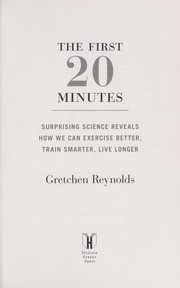
A science-journalist's accessible tour of exercise research — including early HIIT findings — that builds intuition about how the body adapts to intense effort without requiring a biology background.
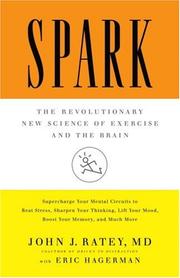
Explains the brain and hormonal side of vigorous exercise, giving the reader a motivational and neurological framework for why pushing intensity matters beyond just fitness.

Contextualizes individual response to training — crucial for understanding why HIIT protocols must be personalized — while keeping the science engaging and story-driven.
Core HIIT Science & Practical Introduction
BeginnerLearn the landmark research behind HIIT (Tabata, Gibala, Wingate protocols), understand work-to-rest ratios, and complete a first structured interval program safely.
▸ Study plan for this stage
Pace: 4–5 weeks, ~25–30 pages/day. Start with "The One-Minute Workout" (Week 1–2, ~200 pages), then "Body by Science" (Week 3–5, ~300 pages). Allocate 2–3 days per week for practical application and protocol testing.
- The Tabata protocol: 20 seconds all-out effort + 10 seconds rest, repeated 8 times (4 minutes total), and its origins in speed skating research
- Martin Gibala's research on time-efficient HIIT: achieving aerobic and anaerobic benefits in minimal time (15–30 minutes per week)
- Work-to-rest ratios and how they determine training intensity, recovery, and adaptation (1:1, 1:2, 1:3 ratios and their applications)
- The Wingate protocol: 30 seconds maximal effort on a bike with specific resistance, used to measure anaerobic power
- Acute vs. chronic adaptations: how single HIIT sessions differ from long-term training effects on VO₂ max, insulin sensitivity, and mitochondrial function
- Doug McGuff's High-Intensity Resistance Training (HIRT) principles: taking muscular effort to momentary failure, minimal rest, and whole-body stimulus
- The science of recovery and adaptation: why HIIT requires adequate rest days and why more volume isn't always better
- Safety considerations for beginners: baseline fitness assessment, gradual progression, and form integrity in resistance work
- What is the Tabata protocol, and what were the original research findings that made it significant for HIIT?
- How does Martin Gibala's research challenge the 'more is better' approach to cardio training, and what time commitment does he recommend for effective HIIT?
- Explain the relationship between work-to-rest ratios and training outcomes. How would you adjust these ratios for a beginner vs. an advanced athlete?
- What is the Wingate protocol, and how does it differ from Tabata in terms of duration, intensity, and measurement goals?
- Describe the physiological adaptations that occur from HIIT training (both acute and chronic). Which adaptations appear first?
- According to Doug McGuff in 'Body by Science,' what is the primary goal of High-Intensity Resistance Training, and why does he advocate for minimal frequency?
- Why is recovery as important as the training stimulus itself in HIIT, and what does the research say about optimal recovery windows?
- Complete a baseline fitness assessment: measure resting heart rate, perform a 3-minute step test, and note your current activity level. Document this as your starting point.
- Execute your first Tabata protocol session using a simple bodyweight exercise (burpees, mountain climbers, or jumping jacks): 20 seconds max effort, 10 seconds rest, 8 rounds. Record heart rate recovery at 1 minute post-exercise.
- Design a personalized work-to-rest ratio chart for three different HIIT goals (aerobic capacity, anaerobic power, fat loss). Justify each ratio choice using concepts from Gibala's research.
- Perform a modified Wingate test on a stationary bike (or estimate using perceived effort): 30 seconds all-out effort, measure distance/power if possible, rest 4 minutes, repeat 2–3 times. Compare your results across repetitions.
- Complete a full-body HIRT session following McGuff's principles: select 4–6 compound movements (squats, chest press, rows, etc.), take each to momentary muscular failure, rest 2–3 minutes between exercises. Track total time and effort level.
- Keep a 2-week training log documenting: session type (Tabata, HIRT, or mixed), work-to-rest ratios used, perceived exertion, heart rate data, and recovery quality. Identify patterns in your adaptation.
Next up: This stage establishes the scientific foundation and safe execution of landmark HIIT protocols, preparing you to explore sport-specific interval applications, advanced periodization strategies, and how to integrate HIIT with endurance or strength training in subsequent stages.

Written by one of the world's leading HIIT researchers, this is the single best entry point: it explains the science of interval training in plain language and provides ready-to-use protocols grounded in peer-reviewed studies.

Introduces the concept of high-intensity, low-frequency training and the underlying muscle-fiber physiology, bridging the gap between cardio-focused HIIT and resistance-based intensity — essential vocabulary for later stages.
Workout Design & Programming
IntermediateDesign periodized HIIT programs, manipulate variables (intensity, volume, density, modality), and understand how to progress intervals over weeks and months without overtraining.
▸ Study plan for this stage
Pace: 8–10 weeks, ~40–50 pages/day (mix of dense technical content and practical programming sections)
- VDOT (VO2 max) scoring and how to calculate individualized training paces from a recent race result
- The five primary running training systems (easy, marathon pace, threshold, interval, repetition) and their physiological targets
- Periodization frameworks: macrocycles, mesocycles, and microcycles for building fitness peaks and managing fatigue
- Training load variables—intensity, volume, and density—and how manipulating each affects adaptation and injury risk
- Progressive overload in interval training: how to increase work intervals, decrease recovery, raise intensity, or add volume without triggering overtraining
- Modality switching and cross-training principles to maintain aerobic adaptations while reducing repetitive stress
- Recovery and deload protocols as essential programming components, not afterthoughts
- Individual variability in response to training stimulus and how to assess and adjust based on performance data
- How do you calculate your VDOT score from a recent race, and how does it translate into specific training paces for easy runs, threshold work, and interval sessions?
- What are the five primary running training systems described by Daniels, and what is the physiological purpose of each?
- How would you structure a 12-week macrocycle for an intermediate runner preparing for a 10K, and what would each mesocycle emphasize?
- You want to progress an interval session from 6×3 minutes at 95% max HR to a harder stimulus. What are three different ways to manipulate the workout variables, and what are the trade-offs of each?
- What is the relationship between training density, volume, and intensity, and how do you avoid the trap of increasing all three simultaneously?
- How do periodization and deload weeks prevent overtraining, and what signs indicate you need to reduce training stress?
- Calculate your own VDOT score from a recent 5K or 10K race time using Daniels' tables, then determine your training paces for easy, threshold, and VO2 max intervals. Run one session at each pace and compare how they feel.
- Design a 16-week periodized training plan for yourself targeting a specific race (10K, half-marathon, or 5K). Include macrocycle phases, mesocycle focus areas, and at least 2 deload weeks. Document the rationale for each phase.
- Take a current interval workout you do regularly (e.g., 6×4 min at 90% effort). Create three progressions of this workout—one by increasing volume, one by increasing intensity, and one by increasing density. Predict the physiological adaptation each would drive.
- Audit your current training week: calculate total volume, average intensity (using Daniels' training zones), and training density (total hard minutes per week). Identify which variable is highest and whether the balance aligns with your goal.
- Conduct a 4-week mini-experiment: alternate between two modalities (e.g., track running and trail running, or running and cycling) for your aerobic base work while keeping one interval session on your primary modality. Track how cross-training affects your primary-modality performance.
- Review your last 8 weeks of training data (pace, HR, perceived effort, sleep, resting HR). Identify patterns where you increased two or more variables simultaneously, and reflect on whether fatigue or injury followed. Plan how to stagger progressions in your next cycle.
Next up: This stage equips you with the frameworks and tools to design coherent, periodized training plans and understand the mechanisms behind progression; the next stage will deepen your ability to diagnose individual limitations, troubleshoot plateaus, and adapt programming in real time based on physiological feedback and performance data.

The definitive evidence-based framework for interval programming in endurance sport; Daniels' VDOT system and training zones give the reader a precise, scientific language for prescribing intensity that applies far beyond running.

Applies polarized and interval training principles to real-world periodization, showing how to balance high-intensity work with aerobic base building — a model directly transferable to any HIIT program design.

Bridges cutting-edge exercise physiology with practical coaching, covering lactate dynamics, VO2 max intervals, and neuromuscular fatigue in a way that deepens the reader's ability to make intelligent programming decisions.
Recovery, Adaptation & the Complete Athlete
ExpertMaster the recovery side of the HIIT equation — sleep, nutrition timing, HRV monitoring, and deload strategy — and integrate everything into a sustainable, long-term high-performance lifestyle.
▸ Study plan for this stage
Pace: 5–6 weeks, ~25–30 pages/day. "Endure" (~400 pages, weeks 1–3) followed by "The Athlete's Guide to Recovery" (~200 pages, weeks 3–5), with week 6 reserved for integration and review.
- The neuromuscular and psychological limits to endurance performance—how fatigue is partly a brain-driven protective mechanism, not just a muscle phenomenon
- Sleep architecture and its role in athletic adaptation: REM, deep sleep, and circadian alignment for recovery and performance gains
- Nutritional timing and macronutrient strategies post-exercise to optimize muscle repair, glycogen repletion, and hormonal recovery
- Heart rate variability (HRV) as a biomarker for nervous system recovery and readiness to train—how to interpret and act on HRV data
- Deload and periodization principles: why planned recovery weeks are non-negotiable for long-term progress and injury prevention
- The interplay between stress, recovery, and adaptation: how chronic training stress without adequate recovery leads to overtraining syndrome
- Individual recovery needs and monitoring: recognizing that recovery is not one-size-fits-all and requires self-awareness and data tracking
- Integration of recovery modalities (massage, cold water immersion, compression) and their evidence-based efficacy in the HIIT context
- According to Hutchinson's 'Endure,' what role does the brain play in fatigue during high-intensity exercise, and how does this differ from purely muscular fatigue?
- What are the key sleep stages discussed in 'The Athlete's Guide to Recovery,' and why is deep sleep particularly critical for HIIT athletes?
- How should you time carbohydrate and protein intake after a high-intensity interval session to maximize glycogen repletion and muscle protein synthesis?
- What is heart rate variability (HRV), how do you measure it, and what does a declining HRV trend indicate about your readiness to train?
- Why is a planned deload week essential in a HIIT training cycle, and what should it look like in practice?
- What are the early warning signs of overtraining syndrome, and how can you use recovery monitoring tools to prevent it?
- Track your sleep for 2 weeks using a sleep app or wearable, logging sleep duration, bedtime consistency, and perceived sleep quality. Correlate this with your HIIT performance metrics (power output, heart rate recovery) to identify your personal sleep-performance relationship.
- Design a post-HIIT nutrition protocol: plan and execute a carbohydrate + protein meal or shake within 30–60 minutes after a hard interval session, then track recovery metrics (soreness, HRV, next-day performance) over 3 weeks to validate the strategy.
- Establish a daily HRV baseline: measure HRV each morning for 2 weeks using a consistent method (e.g., HRV4Training, Whoop, or Apple Watch), record it in a spreadsheet, and identify your personal baseline and variability range.
- Implement a deload week: reduce training volume by 40–50% for one full week while maintaining sleep and nutrition quality. Document how you feel, any changes in motivation, and whether HRV or resting heart rate improves post-deload.
- Create a circadian alignment audit: map your current sleep/wake times, meal times, and training times against your natural chronotype. Identify one misalignment and adjust it for 2 weeks, measuring the impact on sleep quality and recovery.
- Build a personal recovery dashboard: compile your key metrics (sleep hours, HRV, resting heart rate, subjective fatigue, training volume) into a weekly tracking sheet or spreadsheet, and review it every Sunday to inform the upcoming week's training intensity.
Next up: This stage equips you with the science and systems to sustain high-intensity training long-term; the next stage will likely focus on programming and periodization—how to structure HIIT workouts, progression models, and sport-specific or goal-specific interval protocols that leverage the recovery foundation you've now mastered.

A rigorous, research-backed exploration of the limits of human performance and the central-governor model of fatigue, giving advanced practitioners the mental and physiological framework to push intensity intelligently.

The most comprehensive evidence-based guide to recovery modalities — sleep, nutrition, active recovery, and monitoring tools like HRV — completing the HIIT picture by showing that adaptation happens between sessions, not during them.
Discussion
Keep reading
Paths that share books, cover the same subject, or open a related topic.