Rose gardening made simple: essential books for beautiful blooms
This curriculum takes a beginner rose gardener from first principles — soil, planting, and basic care — through the nuances of pruning, feeding, and pest management, and finally into the specialist world of rose types, breeding, and advanced cultivation. Each stage builds the vocabulary and hands-on confidence needed for the next, so by the end the learner can grow any rose — hybrid tea, climber, or shrub — with skill and understanding.
Foundations: Understanding Roses
BeginnerGrasp the basics of rose biology, site selection, soil preparation, and planting so that the first roses go in the ground with confidence.
▸ Study plan for this stage
Pace: 2–3 weeks, ~25–30 pages/day. "Roses for Dummies" is approximately 300–350 pages; read the foundational chapters (1–8) covering rose basics, site selection, soil prep, and planting techniques.
- Rose anatomy and growth cycle: understanding the parts of a rose plant (roots, canes, leaves, blooms) and how they grow through seasons
- Rose classification and types: distinguishing between hybrid teas, floribundas, shrub roses, climbers, and other categories to choose appropriate varieties
- Site selection fundamentals: identifying sunlight requirements (6+ hours), air circulation, and microclimate considerations for healthy roses
- Soil preparation and amendment: testing pH, adding organic matter, ensuring proper drainage, and creating nutrient-rich growing conditions
- Planting techniques: bare-root vs. container roses, proper depth, spacing, backfilling, and initial watering to establish strong root systems
- Basic rose care timeline: understanding when to plant, prune, fertilize, and water during the first growing season
- Common beginner mistakes: avoiding poor site choices, compacted soil, overwatering, and incorrect planting depth that doom new roses
- What are the five main parts of a rose plant, and what role does each play in the plant's health and blooming?
- Why is 6+ hours of direct sunlight critical for roses, and what problems arise from insufficient light?
- How do you test and amend soil to achieve the ideal pH and drainage for roses, and why does this matter?
- What is the difference between planting bare-root and container roses, and what are the key steps for each method?
- Which rose types (hybrid teas, floribundas, shrub roses, etc.) are best suited for a beginner, and why?
- What are the three most common planting mistakes that cause roses to fail, and how do you avoid them?
- Conduct a site assessment of your planting location: measure sunlight hours throughout the day, observe air circulation, note temperature extremes, and document findings in a garden journal.
- Perform a soil test using a home kit or local extension service; record pH, nutrient levels, and drainage rate; create a soil amendment plan based on results.
- Visit a local nursery and identify at least three rose varieties suitable for beginners; note their classification (hybrid tea, floribunda, shrub), mature size, and care requirements.
- Prepare a planting bed by removing weeds, amending soil with compost or peat moss, and creating a mounded or raised area; photograph before and after.
- Plant your first rose (bare-root or container) following Walheim's step-by-step instructions; document the process with photos and notes on depth, spacing, and backfill technique.
- Create a first-season care calendar marking key dates for watering, fertilizing, deadheading, and monitoring for pests or disease based on your local climate.
Next up: Mastering these foundational skills—selecting the right site, preparing healthy soil, and planting correctly—positions you to move into the next stage of active rose care and maintenance, where pruning, fertilizing, and pest management will build on this solid foundation.
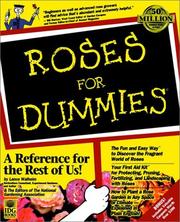
The ideal first book — plain language, no assumed knowledge, and covers every fundamental from choosing a site to planting bare-root and container roses. It builds the essential vocabulary used in every later text.
Core Care: Pruning, Feeding & Watering
BeginnerMaster the seasonal rhythm of rose care — when and how to prune each class, how to feed for fragrance and bloom, and how to water correctly.
▸ Study plan for this stage
Pace: 4–5 weeks, ~25–30 pages/day. Start with "RHS Pruning and Training" (2–3 weeks), then move to "The Organic Rose Garden" (2 weeks). Allocate extra time for seasonal pruning windows and hands-on practice.
- Rose classification systems and how each class responds differently to pruning (hybrid teas, floribundas, shrub roses, climbers, ramblers)
- Seasonal pruning timing and techniques: spring renovation, summer maintenance, and autumn preparation specific to your climate zone
- The physiological principles behind pruning—how cuts redirect growth, encourage branching, and promote flowering
- Organic feeding strategies for roses: nitrogen for foliage, phosphorus and potassium for blooms and fragrance, and timing applications to the growth cycle
- Water management fundamentals: soil moisture assessment, irrigation methods (drip vs. overhead), frequency adjustments by season, and disease prevention through proper watering
- Integration of pruning, feeding, and watering as an interconnected seasonal rhythm rather than isolated tasks
- How would you prune a hybrid tea rose differently from a floribunda, and why does each class require a distinct approach?
- What is the optimal timing for major spring pruning in your region, and what signs indicate a rose is ready to be pruned?
- Explain the relationship between pruning cuts and plant hormones: how does a cut above an outward-facing bud direct new growth?
- Design a seasonal feeding schedule for organic rose care that addresses fragrance, bloom production, and plant vigor across spring, summer, and autumn.
- Compare drip irrigation and overhead watering for roses: what are the disease prevention advantages of each method, and when would you use one over the other?
- How do pruning, feeding, and watering interact? For example, how does heavy feeding without proper pruning affect plant structure, or how does underwatering compromise the benefits of pruning?
- Prune at least three roses of different classes (e.g., hybrid tea, floribunda, shrub) using the techniques from Brickell's guide. Document your cuts, the reasoning behind each, and photograph the before/after to track new growth over 4–6 weeks.
- Create a seasonal pruning calendar for your specific climate zone, marking the optimal timing for spring renovation, summer deadheading, and autumn cleanup. Cross-reference this with local frost dates and your roses' bloom cycles.
- Conduct a soil test on your rose beds and design a custom organic feeding plan using recommendations from Druitt's book. Apply the plan over one full growing season and track bloom quality, fragrance intensity, and plant vigor.
- Set up a watering experiment: divide your rose garden into zones using different irrigation methods (drip line, soaker hose, hand watering). Monitor soil moisture, disease incidence, and plant health weekly for 8 weeks.
- Identify and correct a poorly pruned or neglected rose in your garden. Document its current state, develop a multi-week rehabilitation plan combining corrective pruning, organic feeding, and adjusted watering, and track recovery.
- Maintain a rose care journal for 4–5 weeks, recording pruning dates/techniques, feeding applications, watering frequency, and observed plant responses. Use this to refine your understanding of how these three practices interact in your specific garden conditions.
Next up: This stage establishes the foundational rhythm of seasonal rose maintenance; the next stage will build on this by introducing pest and disease management, showing how proper pruning, feeding, and watering create the conditions for plant health and resilience.
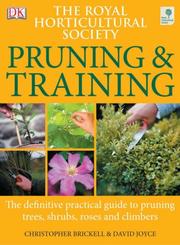
The definitive illustrated guide to pruning all woody plants, with dedicated rose chapters; reading it after the foundations stage means the learner already knows their rose class and can apply the right technique immediately.
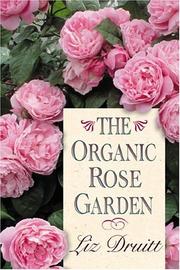
Focuses on feeding, soil health, and water management through organic methods — a perfect complement to Brickell's pruning focus, and introduces the idea that healthy soil prevents most problems before they start.
Pest, Disease & Problem Solving
IntermediateIdentify and manage the full range of rose pests and diseases — black spot, aphids, rust, and more — using both organic and conventional strategies.
▸ Study plan for this stage
Pace: 4–5 weeks, ~25–30 pages/day. Start with Olkowski's foundational pest-control principles (Week 1–2), then transition to Kukielski's chemical-free rose-specific strategies (Week 3–4), with Week 5 reserved for review and hands-on application.
- Integrated Pest Management (IPM) framework and why it prioritizes monitoring, identification, and threshold-based intervention over blanket pesticide use
- Identification of major rose pests (aphids, spider mites, sawflies, Japanese beetles) and diseases (black spot, powdery mildew, rust, rose rosette virus) by sight, damage pattern, and lifecycle
- Organic and biological control methods: beneficial insects, neem oil, sulfur, insecticidal soaps, horticultural oils, and cultural practices that reduce pest pressure
- Conventional chemical options (fungicides, insecticides) and their proper application timing, dosage, and safety protocols for roses specifically
- Disease prevention through sanitation, pruning, air circulation, watering technique, and resistant rose varieties
- Seasonal pest and disease cycles in roses and how to time preventive measures before infestations occur
- How to diagnose rose problems accurately (pest vs. disease vs. environmental stress) before selecting a control strategy
- What is Integrated Pest Management (IPM) and how does it differ from conventional pesticide-heavy approaches?
- How do you identify black spot, powdery mildew, and rust on roses, and what are the first steps to manage each?
- What are the most common rose pests (aphids, spider mites, sawflies) and how can you control them using organic methods?
- When and how should you apply neem oil, sulfur, insecticidal soap, and horticultural oils to roses without causing damage?
- What cultural and preventive practices (pruning, watering, spacing, sanitation) reduce the need for pest and disease control?
- How do you choose between organic and conventional control methods for a specific rose problem, and what are the trade-offs?
- Scout your roses weekly for 4 weeks: identify and photograph any pests or disease symptoms, record location and severity, and practice diagnosing the problem using Olkowski's identification keys and Kukielski's symptom guides.
- Set up a simple monitoring system: use sticky traps or hand-count pests on 3–5 rose plants weekly to establish population trends and determine if intervention is needed.
- Prepare and apply one organic treatment (neem oil, sulfur spray, or insecticidal soap) to affected roses following Kukielski's dosage and timing recommendations; document results over 2–3 weeks.
- Prune and sanitize one rose plant according to disease-prevention principles: remove diseased canes, improve air circulation, and dispose of debris properly; observe changes in plant health over 4 weeks.
- Create a seasonal pest and disease calendar for your climate zone, marking when each major rose pest and disease typically appears and when preventive measures should be applied.
- Compare two control strategies (organic vs. conventional) for a specific problem you observe in your garden; apply each to different plants or sections and document effectiveness, cost, and environmental impact.
Next up: This stage equips you with the diagnostic and management skills to keep roses healthy throughout the season, preparing you to move into advanced topics such as breeding for disease resistance, optimizing soil health for pest suppression, or mastering specialized techniques like companion planting and beneficial insect habitat design.
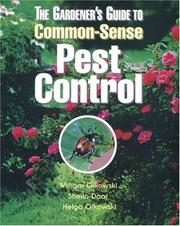
Establishes an integrated pest management (IPM) framework that applies directly to roses; reading it here means the learner can diagnose problems systematically rather than reaching for a spray bottle by reflex.

Applies IPM and disease-resistant variety selection specifically to roses, bridging general pest-control theory with rose-specific practice and reinforcing the organic principles introduced in Stage 2.
Going Deeper: Rose Types & Design
IntermediateUnderstand the distinct cultivation needs of hybrid teas, climbers, ramblers, shrub roses, and old garden roses, and learn how to use them effectively in garden design.
▸ Study plan for this stage
Pace: 6–8 weeks, ~40 pages/day (alternating between the two books to maintain engagement; approximately 3 weeks on Thomas, then 3–4 weeks on Quest-Ritson, with 1 week for review and synthesis)
- The classification system and botanical characteristics of hybrid teas, shrub roses, and old garden roses as detailed by Thomas, including growth habit, bloom patterns, and hardiness
- The distinct cultivation requirements (pruning, feeding, disease management) for each rose type, with emphasis on how Thomas differentiates care protocols
- The morphology and growth characteristics of climbing and rambling roses, and Quest-Ritson's framework for distinguishing between the two categories
- Design principles for integrating different rose types into garden compositions: using hybrid teas as focal points, climbers for vertical structure, and shrub/old garden roses for naturalistic planting
- The historical context and parentage of major rose groups (as explained by Thomas) and how this informs their modern horticultural use
- Practical hardiness zones, regional adaptation, and the role of rose selection in climate-appropriate garden design
- The aesthetic and functional differences between formal rose gardens (hybrid teas) and informal, naturalistic designs (shrub and old garden roses)
- What are the key differences between hybrid teas, shrub roses, and old garden roses in terms of growth habit, bloom frequency, and garden role, as outlined by Thomas?
- How do the cultivation and pruning requirements differ among hybrid teas, climbers, ramblers, and shrub roses, and why do these differences exist?
- According to Quest-Ritson, what botanical and behavioral characteristics distinguish climbing roses from rambling roses, and how should each be trained and maintained?
- How would you design a mixed border or garden composition that incorporates hybrid teas, climbers, and shrub roses, and what design principles guide their placement?
- What is the historical significance of the rose types covered in these books, and how does understanding their parentage help in selecting varieties for your garden?
- How do hardiness, disease resistance, and regional climate factors influence the choice of rose type for a specific garden location?
- Create a detailed cultivation chart comparing hybrid teas, shrub roses, old garden roses, climbers, and ramblers—include pruning timing, feeding schedules, disease management, and hardiness zones based on information from Thomas
- Visit a public rose garden or botanical collection and identify at least 5 roses from different categories (hybrid tea, shrub, old garden, climber, rambler); photograph them and note their growth habit, bloom form, and design role
- Design a garden plan (on paper or using a simple garden design tool) that incorporates at least one example each of a hybrid tea, a climbing rose, a rambler, and a shrub rose; justify your placement decisions using design principles from both books
- Read the detailed rose descriptions in Thomas's book and select 3 varieties (one from each major category); research their parentage and write a 1–2 page summary of how their heritage informs their modern use
- Prune or train a climbing or rambling rose (or observe a trained specimen); document the process with photos and notes on how Quest-Ritson's guidance applies to the specific variety
- Create a regional hardiness and disease-resistance guide for your climate zone, listing 5–8 recommended varieties from the books and explaining why each is suited to your area
Next up: This stage equips you with the knowledge to select and cultivate the right rose types for any garden context; the next stage will likely focus on advanced propagation, breeding, or specialized techniques (such as exhibiting, heritage rose restoration, or creating a comprehensive rose collection) that build on your now-solid understanding of rose diversity and design integration.
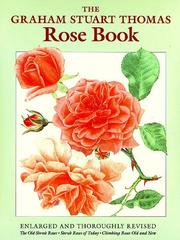
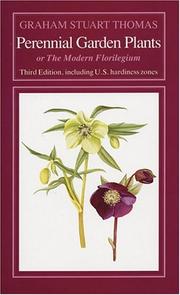
The classic authority on old garden roses and shrub roses by the 20th century's greatest rose expert; it deepens appreciation of rose history and teaches the specific pruning and placement needs of non-hybrid-tea classes.

The most thorough treatment of climbers and ramblers available, covering training, support structures, and variety selection — a natural next step after Thomas's shrub-rose focus.
Mastery: Advanced Cultivation & Fragrance
ExpertAchieve expert-level understanding of rose breeding history, fragrance chemistry, and the pursuit of the finest garden roses, enabling the learner to make sophisticated variety choices and push their garden to its full potential.
▸ Study plan for this stage
Pace: 8–10 weeks, ~40–50 pages/day (mix of dense historical/scientific content and garden narrative)
- Rose breeding history: from wild species through Old Garden Roses to modern hybrids, and the key breeders and selection pressures that shaped them
- Fragrance chemistry: volatile compounds, scent families, and how breeding for appearance has often compromised fragrance—and how to identify and select fragrant varieties
- The relationship between rose form, color, disease resistance, and fragrance as interconnected breeding traits with trade-offs
- Verey's design philosophy: how to integrate roses into a cohesive garden composition rather than treating them as isolated specimens
- Garden microclimates, soil preparation, and long-term cultivation strategies for achieving peak rose performance in your specific conditions
- The aesthetic and horticultural principles behind selecting 'finest' garden roses—moving beyond popularity to quality and suitability
- How historical context (Victorian obsessions, 20th-century breeding priorities) explains the rose varieties available today and their strengths/weaknesses
- Trace the major shifts in rose breeding objectives from the 18th century to the present day. What varieties emerged from each era, and why did breeders prioritize certain traits?
- Explain the chemistry of rose fragrance: what compounds create different scent profiles, and why have many modern roses lost fragrance despite being bred for other desirable traits?
- Compare the horticultural and aesthetic qualities of at least three rose varieties discussed in Potter's book. What trade-offs exist between disease resistance, fragrance, form, and color in each?
- How does Rosemary Verey approach rose selection and placement within a garden design? What principles guide her choices, and how do they differ from specimen-focused rose gardening?
- Describe the soil, climate, and cultivation conditions that allow roses to thrive in your region. What varieties from Potter's survey would be best suited to your garden, and why?
- What does it mean to pursue 'the finest garden roses'? How would you defend a choice to grow a less showy but more fragrant, disease-resistant variety over a prize-winning modern hybrid?
- Create a detailed timeline of rose breeding history (1700–present) with key breeders, varieties, and the traits they prioritized. Annotate with how each era's priorities shaped modern rose availability.
- Conduct a fragrance audit: visit a local rose garden or nursery and smell at least 10 varieties. Note the scent family (fruity, spicy, tea, musk, etc.), intensity, and any correlation with the variety's age/breeding era. Cross-reference with Potter's descriptions.
- Analyze three rose varieties in depth using Potter's book: document their breeding history, fragrance profile, disease resistance, form, color, and cultural requirements. Create a comparison chart highlighting trade-offs.
- Study Verey's garden photographs and design notes. Sketch how she uses roses within mixed borders, color schemes, and seasonal sequences. Then apply one of her principles to a sketch of your own garden.
- Soil test and amend: take a soil sample from your intended rose bed, test pH and nutrient levels, and create a detailed amendment plan based on the varieties you want to grow and Verey's cultivation philosophy.
- Visit a heritage rose nursery or specialty grower and interview the owner about fragrance, disease resistance, and regional suitability. Document their recommendations and compare with Potter's and Verey's guidance.
Next up: This stage equips you with the historical, chemical, and aesthetic knowledge to make expert variety choices and understand the 'why' behind rose behavior, preparing you to tackle specialized topics like rose propagation, advanced pest/disease management, or competitive exhibition in the next stage.

A richly researched cultural and horticultural history of the rose that gives the advanced grower deep context — understanding where roses come from and how they were bred sharpens every cultivation and selection decision.
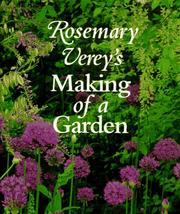
Elevates the learner from grower to garden-maker, showing how a master plantsperson integrates roses into a living, designed landscape — the final step from technical competence to artistic mastery.
Discussion
Keep reading
Paths that share books, cover the same subject, or open a related topic.