How to learn Becoming a sommelier
Becoming a sommelier is a journey from basic wine literacy through sensory mastery, regional depth, and finally the professional craft of service, pairing, and certification. This curriculum starts with approachable, story-driven introductions to build vocabulary and enthusiasm, then systematically deepens knowledge of grapes, regions, and tasting technique, before arriving at the rigorous, exam-ready material and hospitality skills demanded of a working sommelier.
Foundations: Wine Literacy
BeginnerBuild a confident working vocabulary around wine — grapes, regions, styles, and basic tasting language — so that more technical reading becomes accessible.
▸ Study plan for this stage
Pace: 3–4 weeks, ~20–25 pages/day (Wine Simple is approx. 320 pages, visually rich — allow extra time to study maps, charts, and flavor wheels)
- The major noble grape varieties (e.g., Chardonnay, Sauvignon Blanc, Pinot Noir, Cabernet Sauvignon, Syrah) and their defining flavor profiles as introduced by Sohm
- How climate and terroir shape a wine's character — Sohm's 'cold vs. warm climate' framework for understanding style differences
- The world's key wine regions and how region names often substitute for grape names on labels (Old World vs. New World labeling logic)
- The five fundamental components of wine: acidity, tannin, alcohol, sweetness, and body — and how to perceive each on the palate
- Sohm's accessible tasting language: using everyday fruit, earth, and texture descriptors rather than intimidating jargon
- How winemaking decisions (oak aging, malolactic fermentation, skin contact) visibly alter a wine's color, aroma, and taste
- Reading a wine label: producer, region, vintage, appellation, and what each element signals about the wine inside
- The concept of balance in wine and why it matters more than any single component in isolation
- Food and wine pairing principles based on matching weight, acidity, and flavor intensity
- Building a personal tasting vocabulary by anchoring descriptors to wines you have actually tasted
- What are the primary flavor differences between a cool-climate and a warm-climate Chardonnay, and which regions exemplify each?
- If a European wine label shows only a place name (e.g., Chablis, Barolo), how do you determine what grape is inside?
- How would you describe tannin to someone who has never heard the term — what does it feel like, and which wines are high in it?
- What winemaking technique is responsible for the buttery, creamy texture found in many California Chardonnays?
- Name three high-acid white grapes and explain why acidity makes a wine feel refreshing and food-friendly.
- What does 'balance' mean in the context of a finished wine, and what happens when one component dominates?
- How does oak aging change the aroma and texture of a red wine compared to a wine aged only in stainless steel?
- Why might a sommelier recommend a high-acid, low-tannin red wine with a rich fish dish rather than a full-bodied Cabernet?
- Taste-along reading: Each time Sohm introduces a new grape variety, open (or purchase a small pour of) an example bottle and taste it while reading his description — actively match his words to what you perceive.
- Label decoding drill: Collect 10 wine labels (from bottles, photos, or wine shop shelves) and practice identifying producer, region, vintage, and grape — note which labels require outside knowledge to decode.
- Component isolation exercise: Taste a very tart lemonade (acidity), strong black tea (tannin), a sweet dessert wine, and a high-ABV spirit side by side to isolate each of wine's four structural components before applying them to wine.
- Flavor mapping: After finishing the grape variety chapters, draw a simple grid (rows = grapes, columns = aroma/flavor, body, acidity, tannin, typical regions) and fill it in from memory using only Sohm's book as your source.
- Blind variety guessing: Have a friend pour two wines from grapes Sohm has covered without telling you what they are; write tasting notes using his vocabulary framework, then guess the grape and climate.
- Region-to-map exercise: Using the maps in Wine Simple, redraw (by hand) the major wine regions of France, Italy, and California from memory once per week — repetition cements geographic intuition.
- Food pairing journal: Cook or order three different meals and choose a wine pairing for each using Sohm's pairing principles; write one paragraph justifying each choice with specific component-matching logic.
- Vocabulary flashcards: Build a set of 30–40 flashcards from Wine Simple's key terms (e.g., 'terroir,' 'appellation,' 'malolactic fermentation,' 'tannic,' 'minerality') — review daily using spaced repetition.
Next up: Mastering Sohm's accessible vocabulary and regional framework gives you the confident baseline language needed to absorb more technical and region-specific writing in the next stage, where prose becomes denser, appellations more granular, and winemaking science more precise.

Written by one of the world's top sommeliers in a deliberately accessible, visual style, this is the perfect first book — it demystifies wine without dumbing it down and introduces the core framework of how to think about wine.
Tasting & Sensory Training
BeginnerDevelop a disciplined, repeatable approach to smelling, tasting, and describing wine — the single most important practical skill a sommelier possesses.
▸ Study plan for this stage
Pace: 8–10 weeks total: Weeks 1–5 on "The Wine Bible" (~40–50 pages/day, focusing on Part One's tasting framework and any varietal chapters used as tasting case studies); Weeks 6–10 on "How to Taste" (~20–25 pages/day, slower pace to allow active tasting alongside each chapter)
- The five basic components of wine — sweetness, acidity, tannin, alcohol, and body — and how each registers physically on the palate (from The Wine Bible's foundational tasting chapters)
- The role of the nose: distinguishing primary (fruit/floral), secondary (fermentation), and tertiary (oak/age) aromas before ever tasting the wine
- Robinson's systematic tasting grid: Appearance → Nose → Palate → Conclusions, and why a fixed sequence prevents bias and builds muscle memory
- Flavor vs. aroma: understanding that most of what we 'taste' is actually retronasal smell, and training accordingly
- Descriptive language discipline — moving from vague impressions ('nice,' 'fruity') to specific, communicable descriptors anchored in real-world references
- Balance and structure: recognizing when acidity, tannin, alcohol, and fruit are in harmony vs. when one element dominates or is deficient
- Finish and length as quality indicators: how to measure and articulate the persistence of a wine on the palate
- Blind tasting mindset: suspending label-driven expectations and letting sensory evidence alone drive conclusions (introduced in How to Taste)
- The difference between objective observation and subjective preference — a critical professional distinction Robinson emphasizes throughout
- Building a personal aroma library: deliberately smelling everyday ingredients (citrus peel, fresh herbs, leather, toast) to expand sensory vocabulary
- What are the five structural components of wine, and where exactly on the tongue/body does each one register?
- Walk through Robinson's tasting grid step by step — what are you looking for at each stage and why does sequence matter?
- What is the difference between an aroma and a flavor, and what does 'retronasal olfaction' mean for how you train your nose?
- How does The Wine Bible distinguish between primary, secondary, and tertiary aromas? Give two concrete examples of each.
- What does 'balance' mean in wine, and how would you describe a wine that is 'out of balance' to a guest or examiner?
- How do you assess finish/length, and why does Robinson treat it as a proxy for quality?
- What is the difference between describing a wine objectively (as a sommelier must) versus expressing personal preference (as a consumer might)?
- After completing both books, what is your personal repeatable tasting routine — describe it step by step as if teaching it to someone else?
- 'Component isolation' sessions: source wines that exemplify a single extreme — a very high-acid Riesling, a tannic young Cabernet, a high-alcohol Zinfandel — and taste them side by side to feel each structural element in isolation before encountering them blended in balance
- Daily aroma kit work: assemble 10–15 small jars filled with real ingredients (lemon zest, black pepper, dried rose, cedar shavings, mushroom, vanilla bean) and smell them blind each morning before reading, then map them to descriptors used in The Wine Bible
- Apply Robinson's tasting grid in writing for every wine you taste during these 10 weeks — fill out all four sections (Appearance, Nose, Palate, Conclusions) in a dedicated tasting journal before reading the label
- Comparative tasting of the same grape from two regions (e.g., Burgundy Pinot Noir vs. California Pinot Noir) using The Wine Bible's varietal chapters as your pre-reading, then see whether your tasting notes match MacNeil's descriptions
- Blind tasting practice (weekly): have a friend pour two wines in black glasses; use Robinson's grid to reach a conclusion about grape, region, and quality level — record your reasoning, then reveal and debrief
- Vocabulary-building drill: after each reading session, write 5 new descriptors you encountered, find a real-world object that matches each one, smell/taste it, and add it to your aroma journal
- 'Finish timer' exercise: after swallowing or spitting, count seconds of lingering flavor for each wine you taste and log it — build intuition for short (<5 sec), medium, and long (>15 sec) finishes as Robinson defines them
- End-of-stage mock assessment: taste three unknown wines and write a full tasting note for each using the combined vocabulary and structure from both books — then compare your notes to a professional critic's notes on the same wines
Next up: Mastering a repeatable sensory language and tasting grid gives you the precise descriptive toolkit you'll need in the next stage, where you'll apply those same analytical skills to mapping specific grape varieties and wine regions — because you can only reliably identify a Riesling or a Barolo blind once you know exactly what structural and aromatic fingerprints to look and taste for.
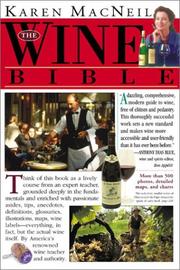
This comprehensive, narrative-rich reference bridges literacy and tasting by grounding every region and style in sensory description; reading it now trains the palate's imagination before formal tasting methodology is introduced.
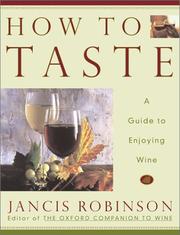
Robinson's concise guide lays out a rigorous, professional tasting grid and explains the science of perception — reading it after MacNeil means you already have the regional context to make the methodology immediately useful.
Going Deeper: Regions, Grapes & Winemaking
IntermediateAchieve the regional breadth and winemaking understanding required to speak authoritatively about any major wine on a restaurant list.
▸ Study plan for this stage
Pace: 16–20 weeks total. Weeks 1–10: "The World Atlas of Wine" — treat it as an active atlas, not passive reading; spend ~3–4 sessions per week covering one major region per session (e.g., Burgundy, Napa, Rioja), cross-referencing maps with tasting notes. Weeks 11–20: "Wine Grapes" — read 8–12 grape varie
- Old World vs. New World regional identity: how climate, soil, and tradition shape wine style in each major appellation covered in the Atlas
- Appellation systems and their legal significance: AOC (France), DOC/DOCG (Italy), DO/DOCa (Spain), AVA (USA), and equivalents worldwide
- Terroir as a multi-variable concept: the interplay of geology, topography, mesoclimate, and viticultural practice as mapped region-by-region in the Atlas
- Grape variety profiles from 'Wine Grapes': synonyms, genetic lineage, ideal climates, flavor signatures, and where each variety performs best globally
- Winemaking fundamentals embedded in regional chapters: fermentation vessel choices (oak vs. concrete vs. stainless), maceration length, élevage, and how they produce regional house styles
- Viticulture variables: vine training systems, yield management, harvest timing decisions, and how they differ across the Atlas's regions
- The relationship between variety and place: why Nebbiolo tastes different in Barolo vs. Barbaresco, or Riesling in Mosel vs. Alsace — using both books in tandem
- Reading and interpreting wine maps: elevation, river influence, aspect, and soil overlays as tools for predicting wine character
- Blending traditions vs. single-variety wines: regional logic behind blends (Bordeaux, Rhône, Champagne) versus varietal bottlings
- Vintage variation and its regional logic: how each major region's climate vulnerabilities create year-to-year differences documented in the Atlas
- For any major appellation in the Atlas (e.g., Pomerol, Priorat, Willamette Valley), can you describe its key soil types, dominant varieties, and the resulting wine style without looking at the map?
- Given a grape entry in 'Wine Grapes', can you name at least three regions where it thrives, explain why it suits those climates, and identify its key synonyms?
- How does the winemaking approach described for a region (e.g., Barolo's extended maceration, Burgundy's minimal-intervention cellar work) connect to the flavor profile of its wines?
- What distinguishes a Premier Cru from a Grand Cru in Burgundy, and how does the Atlas's mapping of those vineyards explain the price and style difference?
- Why does Cabernet Sauvignon dominate the Médoc's left bank but Merlot the right bank — and what do the soil maps in the Atlas reveal about this?
- Using 'Wine Grapes', explain the genetic parentage of at least five major varieties (e.g., Cabernet Sauvignon, Chardonnay, Syrah) and what that lineage tells us about their character.
- How would you describe the house style of three different Champagne producers based on the regional and winemaking information in the Atlas?
- If a guest orders a wine from an unfamiliar region in the Atlas, what four or five map-reading cues would you use to predict its style before tasting it?
- 'Blind map' drill: Cover the labels on the Atlas's regional maps and try to name the appellation, dominant grape, and likely wine style from soil and topography clues alone — do this for one new region each week.
- Parallel tasting sessions: Each week, select one region from the Atlas and taste 2–3 wines from it side by side while reading that region's chapter; annotate your tasting notes directly against the Atlas's flavor descriptors.
- Grape synonym flashcards: For every major variety in 'Wine Grapes', create a card with the variety on one side and its top 5 synonyms, home regions, and flavor keywords on the other; drill weekly.
- Producer research log: For each major region in the Atlas, identify 3 benchmark producers; research their winemaking philosophy and note how it aligns with the regional style described in the Atlas.
- Build a 'region one-pager': After finishing each Atlas chapter, write a single-page brief covering climate, soils, key appellations, dominant grapes (cross-referenced to 'Wine Grapes'), and house style — as if briefing a colleague before a wine dinner.
- Variety-to-region mapping exercise: Draw a blank world map and, using only 'Wine Grapes' entries, plot where each major variety is grown; then compare your map against the Atlas to find gaps in your knowledge.
- Restaurant list simulation: Print a real restaurant wine list and, using both books as references, annotate every wine with region, dominant grape(s), likely style, and a one-sentence selling description — aim to complete one full list per month.
- Vintage chart comparison: Using the vintage information in the Atlas, create a personal vintage chart for five key regions (Bordeaux, Burgundy, Barolo, Rioja, Napa) and practice explaining to a 'guest' why a specific year is or isn't a good choice.
Next up: The regional breadth and grape-variety fluency built through the Atlas and Wine Grapes create the factual scaffolding needed for the next stage, where sensory training and structured tasting methodology will transform that intellectual knowledge into reliable, real-time palate recognition at the table.
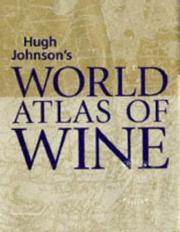
The definitive cartographic and editorial reference for every serious wine student; its maps and region-by-region analysis build the geographic intuition that underpins all sommelier exams and floor conversations.

A landmark reference covering over 1,300 grape varieties with history, synonyms, and flavor profiles — placed here so the reader can cross-reference it against the Atlas and dramatically deepen varietal knowledge.
The Sommelier's Craft: Service, Pairing & Business
IntermediateUnderstand the professional dimensions of the role — cellar management, food and wine pairing principles, beverage program design, and guest service — beyond pure wine knowledge.
▸ Study plan for this stage
Pace: 6–8 weeks total: Weeks 1–4 on "The Sommelier's Atlas of Taste" (~25–30 pages/day, including tasting notes and regional maps); Weeks 5–8 on "What to Drink with What You Eat" (~20–25 pages/day, with dedicated pairing sessions alongside each chapter).
- Terroir as a sensory framework: how Parr decodes place, climate, and soil into predictable flavor profiles across major wine regions
- The 'atlas' approach to tasting — building a mental map that links geography to taste memory rather than memorizing facts in isolation
- Old World vs. New World stylistic tension and how a sommelier uses this to anticipate a wine's character before opening the bottle
- Cellar philosophy and wine selection: curating a list that reflects a coherent point of view, not just popular labels
- The architecture of food-and-wine pairing from Dornenburg: the bridge ingredients, weight-matching, and contrast vs. congruence strategies
- Flavor affinity as a professional tool — understanding why certain pairings work at a molecular and sensory level, not just by tradition
- Beverage program design: balancing guest accessibility, kitchen collaboration, and financial margins
- Guest service dynamics: reading the table, guiding without imposing, and translating technical knowledge into approachable language
- Regional pairing conventions (e.g., local wine with local food) and when to break them intentionally
- Building a personal pairing lexicon that can be communicated clearly to both kitchen staff and guests
- After reading Parr, can you describe how the soils of Burgundy vs. the Rhône Valley produce structurally different wines, and how that difference informs your service recommendation?
- What does Parr mean by 'taste memory,' and how does a sommelier actively build and use it in a professional context?
- Using Dornenburg's framework, what are the three or four primary pairing strategies, and can you give a concrete food-and-wine example of each?
- How would you design a by-the-glass program for a farm-to-table restaurant using principles from both books?
- What is the difference between a 'bridge' ingredient pairing and a 'contrast' pairing? Give one example from Dornenburg for each.
- How does Parr's regional flavor atlas help a sommelier make confident recommendations when a guest orders a wine they've never personally tasted?
- What guest-service pitfalls does the professional dimension of this stage warn against, and how do you avoid them while still demonstrating expertise?
- How would you explain a complex pairing decision — say, an off-dry Riesling with spicy Thai cuisine — to a skeptical guest using language drawn from Dornenburg's principles?
- Blind tasting drill (weekly): Select one wine from a region covered in Parr that week. Taste blind, write a full note, then check the regional profile in the atlas. Track where your palate aligned and where it diverged.
- Build a 'flavor map': After each Parr chapter, draw a one-page visual map linking the region's key grape varieties, soil types, climate descriptors, and 3–5 signature flavor markers.
- Pairing journal (Dornenburg weeks): Cook or order one meal per week and pair it deliberately using Dornenburg's affinity lists. Write a 150-word post-meal reflection on what worked, what didn't, and why.
- Restaurant list audit: Find a real wine list from a restaurant online. Using Parr's regional lens, evaluate whether the list has a coherent point of view. Write a one-page critique and propose three changes.
- Kitchen collaboration simulation: Choose a 4-course hypothetical menu, then build a full pairing using Dornenburg's ingredient-affinity approach. Present it aloud as if pitching to a head chef.
- Guest role-play: Have a friend play a guest with a specific profile (budget-conscious, adventurous, allergic to tannins). Practice recommending and explaining a pairing using only non-technical language.
- Comparative tasting: Open an Old World and New World expression of the same grape (e.g., Burgundy Pinot Noir vs. Oregon Pinot Noir). Use Parr's framework to articulate the stylistic differences in writing.
- Affinity list expansion: Pick 10 ingredients from Dornenburg not covered in depth and research 2–3 wine pairings for each, then taste at least one pairing to validate or challenge the recommendation.
Next up: Mastering the sensory atlas and pairing logic in this stage gives the reader a confident professional vocabulary and palate framework, which is the essential foundation for tackling advanced topics such as blind tasting methodology, fine wine investment, and Master Sommelier-level critical analysis in the next stage.

Parr, a celebrated sommelier, reframes wine through the lens of terroir and flavor rather than scores and prestige — essential reading for developing the philosophical and sensory framework that separates great sommeliers from knowledgeable ones.
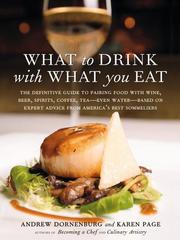
The most practical and thorough pairing reference available; reading it here, after building deep wine knowledge, allows the reader to internalize pairing logic rather than just memorize rules.
Certification & Mastery
ExpertPrepare rigorously for formal sommelier certification (Court of Master Sommeliers, WSET Diploma, or equivalent) and internalize the standards of a Master Sommelier.
▸ Study plan for this stage
Pace: 4–5 weeks, ~20–25 pages/day; given the advanced level, budget extra time for re-reading dense scientific passages and cross-referencing tasting notes
- The neuroscience and psychology of wine perception — how the brain constructs the experience of taste and aroma rather than passively receiving it
- The role of multisensory integration: how vision, sound, temperature, glassware, and context actively shape what we perceive in a wine
- Olfaction as the dominant sense in wine evaluation — the mechanics of orthonasal vs. retronasal smell and why they produce different impressions
- The subjectivity vs. objectivity debate in wine scoring: what formal tasting grids (CMS, WSET) actually measure and their inherent limitations
- Phenolic ripeness, 'green' vs. 'ripe' flavor compounds, and how viticulture decisions translate into sensory outcomes
- The concept of 'terroir' reexamined through a scientific lens — separating measurable chemical reality from romantic mythology
- Individual variation in taster sensitivity (supertasters, anosmia, genetic polymorphisms) and how to calibrate for personal bias in a certification exam context
- Expectation, priming, and placebo effects in professional tasting — and strategies to counteract cognitive bias during blind tasting
- The language of wine: how descriptors are formed, why they vary between tasters, and how to build a precise, reproducible personal lexicon
- Translating scientific understanding of perception into the structured, systematic blind-tasting methodology required by the Court of Master Sommeliers and WSET Diploma
- According to Goode, why is wine perception better described as a 'construction' of the brain rather than a direct readout of chemical compounds in the glass?
- How do orthonasal and retronasal olfaction differ mechanically, and why does Goode argue retronasal smell is more central to the wine-drinking experience?
- What specific environmental and contextual factors does Goode identify as capable of measurably altering a taster's perception, and how should a certification candidate control for these during an exam?
- How does Goode's scientific critique of 100-point scoring systems inform how you should interpret — and apply — the WSET Diploma or CMS structured tasting grid?
- What does current research say about supertaster status and wine expertise — does heightened sensitivity confer an advantage or a disadvantage in professional evaluation?
- How can an understanding of expectation and priming effects help a blind taster avoid being misled by a wine's color, price, or serving order?
- What is Goode's argument regarding the chemical basis of terroir, and how does it challenge or support the way terroir is discussed in formal sommelier examinations?
- How would you construct a personal, scientifically grounded aroma lexicon that remains consistent enough to be reliable across multiple blind-tasting sessions?
- Blind tasting calibration drill: taste the same wine in three different contexts (different glass, different lighting, different music) and document in writing how perception shifts — then map your findings to Goode's multisensory integration chapter
- Orthonasal vs. retronasal comparison: nose a wine for 60 seconds before tasting, write your aroma descriptors; then taste with nose pinched, release, and note the retronasal flood — compare both descriptor lists and analyze the gap
- Cognitive bias audit: have a study partner pour two identical wines, one described as 'a $15 table wine' and one as 'a $90 reserve' — taste blind, score both, then reveal the truth and write a one-page reflection on your bias patterns
- Build a 50-term personal aroma lexicon grounded in Goode's flavor-compound science (e.g., link 'bell pepper' to pyrazines, 'butter' to diacetyl) and use it consistently across 10 consecutive tasting sessions
- Structured CMS/WSET grid overlay: after each chapter of 'I Taste Red', translate one key scientific insight into a concrete adjustment to your formal tasting grid methodology and annotate your grid accordingly
- Supertaster self-assessment: perform the PROP (6-n-propylthiouracil) paper test and fungiform papillae count exercise; journal how your result aligns with your known tasting strengths and weaknesses
- Weekly mock exam: conduct a 6-wine blind flight using the full CMS or WSET Diploma grid under timed conditions, then debrief each wine using Goode's perceptual science framework to explain any misidentifications
- Reading journal: after each chapter, write a 'so what for my exam?' paragraph — one concrete, actionable change to your tasting practice or exam strategy derived directly from Goode's argument
Next up: Internalizing the perceptual science and cognitive self-awareness from "I Taste Red" equips the candidate with the analytical rigor and bias-free methodology needed to perform at the highest level in any subsequent practical examination, mentorship, or professional service stage that follows.

Goode's science-based exploration of wine perception, quality, and terroir provides the intellectual depth and critical thinking that distinguishes a Master Sommelier candidate — a fitting capstone that ties together tasting, science, and philosophy.
Discussion
Keep reading
Paths that share books, cover the same subject, or open a related topic.