Best Books to Become a Genetic Counselor
This curriculum is designed for an intermediate learner who already has some biology background and wants to build genuine expertise in genetic counseling — spanning clinical genetics, the therapeutic counseling relationship, risk communication, and career entry. The four stages move from clinical science foundations, through the art and psychology of counseling, into the specialized skill of communicating genetic risk, and finally into the practical steps of entering the profession.
Clinical Genetics Foundations
IntermediateBuild a solid, working knowledge of medical genetics — inheritance patterns, chromosomal and molecular mechanisms, and common genetic conditions — so that later counseling and risk content lands on a firm scientific base.
▸ Study plan for this stage
Pace: 8–10 weeks, ~40–50 pages/day (approximately 3–4 hours of focused study daily)
- Mendelian inheritance patterns (autosomal dominant, autosomal recessive, X-linked) and how to recognize them in pedigrees
- Chromosomal structure, meiosis, and mitosis; nondisjunction and aneuploidy as mechanisms of genetic disease
- Molecular basis of genetic variation: DNA replication, mutation types (point mutations, insertions, deletions, copy number variants), and how mutations alter protein function
- Gene expression and regulation: transcription, translation, and how disruptions cause disease phenotypes
- Common genetic conditions organized by inheritance pattern (e.g., cystic fibrosis, sickle cell disease, Huntington disease, Down syndrome) and their molecular/cellular mechanisms
- Genetic heterogeneity, allelic heterogeneity, and incomplete penetrance—why the same condition can present differently across individuals and families
- Population genetics fundamentals: allele frequencies, Hardy-Weinberg equilibrium, and carrier frequencies in different populations
- Multifactorial inheritance and the role of environmental factors in complex genetic diseases
- How would you distinguish between autosomal dominant, autosomal recessive, and X-linked inheritance patterns in a pedigree, and what are the characteristic features of each?
- Explain the molecular mechanism of a specific genetic condition (e.g., cystic fibrosis or sickle cell disease): what is the mutation, how does it affect the protein, and what is the resulting phenotype?
- What is genetic heterogeneity, and why might two individuals with the same clinical diagnosis have mutations in different genes?
- How do you calculate carrier frequency for an autosomal recessive condition in a population, and why does this frequency differ across ethnic groups?
- Describe the difference between a point mutation, a frameshift mutation, and a copy number variant, and give an example of how each might cause disease
- What is incomplete penetrance and variable expressivity, and how do these concepts affect genetic counseling predictions?
- Work through 10–15 pedigree problems from Thompson & Thompson, identifying inheritance patterns and calculating recurrence risks for each
- Create a detailed molecular 'disease card' for 5 genetic conditions covered in the text (e.g., cystic fibrosis, Huntington disease, hemophilia A, Down syndrome, Marfan syndrome): include the gene, mutation type, protein effect, and clinical features
- Practice Hardy-Weinberg calculations: given allele frequencies, predict genotype frequencies in a population; work backward from disease prevalence to estimate carrier frequency
- Draw and annotate diagrams of meiosis and mitosis, then explain how errors in these processes lead to aneuploidy and other chromosomal abnormalities
- Analyze 3–4 case studies (real or textbook-based) where you identify the likely genetic mechanism, predict inheritance pattern, and explain why the phenotype varies among family members
- Create a comparison table of 8–10 genetic conditions, organized by inheritance pattern, listing gene, mutation type, protein function, and key clinical features
Next up: This stage equips you with the scientific literacy to understand *why* genetic risks exist and *how* diseases manifest at the molecular level, preparing you to move into counseling-specific content where you'll learn to communicate these mechanisms to patients and families and translate genetic risk into actionable clinical guidance.
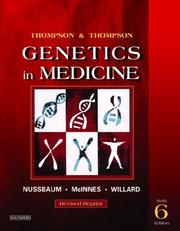
The single most widely used medical genetics textbook for health-professional students; covers Mendelian, chromosomal, and molecular genetics with clinical examples that directly mirror what genetic counselors encounter daily. Read this first to establish the scientific vocabulary for everything that follows.
The Counseling Relationship & Psychosocial Practice
IntermediateUnderstand the psychological, ethical, and relational dimensions of genetic counseling — including psychosocial assessment, client-centered communication, and the non-directive tradition — so you can move beyond genetics knowledge into genuine therapeutic skill.
▸ Study plan for this stage
Pace: 4–5 weeks, ~25–30 pages/day, with 2–3 days per week dedicated to reflective practice and case study work
- The non-directive counseling model and its application to genetic counseling practice
- Psychosocial assessment: identifying client needs, values, beliefs, and emotional responses to genetic information
- Client-centered communication: active listening, empathy, and validation in the counseling relationship
- Ethical dimensions of genetic counseling: autonomy, informed consent, and the counselor's role as facilitator rather than decision-maker
- The therapeutic alliance: building trust and rapport with clients across diverse backgrounds and family dynamics
- Recognizing and addressing psychological barriers to understanding genetic information and decision-making
- Cultural competence and sensitivity in genetic counseling relationships
- Self-awareness and reflective practice: understanding your own biases, values, and emotional responses as a counselor
- What does it mean to practice non-directive counseling in genetic counseling, and how does this differ from directive or prescriptive approaches?
- How would you conduct a psychosocial assessment with a client, and what key areas should you explore to understand their needs and context?
- Describe three core active listening techniques and explain how each supports the counseling relationship in genetic counseling.
- What are the ethical principles underlying genetic counseling practice, and how do they guide your role as a counselor?
- How can you recognize when a client is experiencing psychological distress or cognitive barriers to understanding genetic information, and what strategies would you use to address this?
- How do cultural values and family dynamics influence a client's receptiveness to genetic information and decision-making, and how would you adapt your approach?
- Read and annotate Baker's chapters on the counseling relationship and non-directive practice, highlighting key principles and marking passages that resonate with your own counseling philosophy.
- Conduct a mock psychosocial assessment with a peer or mentor using a realistic genetic counseling scenario; record or document your assessment and reflect on what information you gathered and what you missed.
- Practice active listening in role-play: have a partner present a genetic concern, and focus entirely on understanding their perspective without offering advice; afterward, summarize what you heard and ask clarifying questions.
- Analyze 2–3 case studies from Baker's text (or similar sources) and identify the ethical tensions, client values, and counselor decisions; write a brief reflection on how you would have approached each situation.
- Create a personal reflection journal documenting your own biases, values, and emotional triggers related to genetic issues, family dynamics, and decision-making; revisit this monthly to track your growing self-awareness.
- Observe or record a genetic counseling session (with permission) and analyze the counselor's use of non-directive language, empathy, and psychosocial assessment; compare their approach to Baker's framework.
Next up: This stage anchors you in the relational and ethical foundation of genetic counseling, equipping you with the communication and assessment skills needed to move into specialized practice areas—such as prenatal counseling, cancer risk assessment, or rare disease counseling—where you will apply these principles to specific clinical contexts and genetic conditions.
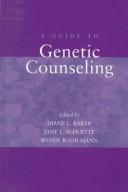
The field's definitive practice textbook, edited by leading genetic counselors; covers the counseling session structure, psychosocial models, case conceptualization, and ethical frameworks. This is the cornerstone text for understanding what genetic counselors actually do in the room with clients.
Genetic counseling draws heavily on humanistic and person-centered therapy traditions; this book deepens understanding of the counselor's use of self, empathy, and the therapeutic alliance — skills that distinguish excellent genetic counselors from merely competent ones.
Risk Communication & Decision-Making
ExpertMaster the science and art of communicating probabilistic genetic risk to diverse patients — understanding how people perceive, process, and act on risk information — and apply evidence-based strategies to improve comprehension and autonomous decision-making.
▸ Study plan for this stage
Pace: 4–5 weeks, ~25–30 pages/day, with 2–3 days per week dedicated to case analysis and reflection
- Risk perception vs. risk reality: how cognitive biases, emotions, and mental models shape how patients interpret probabilistic information differently from statistical facts
- The mental models approach: eliciting and understanding what patients already believe about genetic conditions, inheritance, and outcomes before communicating new information
- Numeracy and format effects: how presenting risk as percentages, frequencies, natural frequencies, or visual aids dramatically changes comprehension and decision-making
- Structured risk communication frameworks: using Fischhoff's evidence-based steps (define the decision, identify options, characterize consequences, evaluate tradeoffs) to organize counseling conversations
- Autonomy and informed decision-making: distinguishing between paternalistic guidance and supporting patients' own values and preferences in genetic testing and management decisions
- Uncertainty communication: how to honestly convey what is and isn't known about genetic risks, penetrance, and outcomes without overwhelming or paralyzing patients
- Tailoring to audience: adapting risk messages for different literacy levels, cultural backgrounds, health beliefs, and emotional states
- What is the difference between risk perception and risk reality, and why do patients often make decisions that don't align with statistical probabilities?
- How does the mental models approach improve risk communication, and what specific steps would you take to elicit a patient's existing beliefs about a genetic condition?
- Compare and contrast at least three different ways to present the same genetic risk numerically or visually, and explain which formats are most effective for different patient populations.
- Describe Fischhoff's structured decision-making framework and apply it to a specific genetic counseling scenario (e.g., carrier testing, predictive testing, or prenatal diagnosis).
- How do you balance providing accurate, complete information with avoiding information overload that leads to decision paralysis or anxiety?
- What strategies would you use to communicate uncertainty about penetrance, expressivity, or prognosis in a way that maintains patient trust and supports autonomous decision-making?
- Analyze 3–4 real or realistic genetic counseling vignettes: identify where risk perception gaps occur, what mental models the patient holds, and how you would restructure the communication using Fischhoff's framework.
- Create risk communication materials (written summaries, visual aids, or decision aids) for three different genetic conditions, presenting the same risk in multiple formats (percentages, frequencies, visual icons) and test them with peers for comprehension.
- Conduct a mock counseling session with a peer or mentor: practice eliciting the patient's mental model, then deliver risk information using a structured approach; record and review for clarity, pacing, and responsiveness to emotional cues.
- Design a decision aid or conversation guide for a specific genetic test (e.g., BRCA1/2, carrier screening, or predictive testing) that incorporates Fischhoff's steps and accounts for different numeracy levels and cultural contexts.
- Reflect on a past counseling interaction (your own or a case study): identify moments where the patient's risk perception diverged from the communicated risk, hypothesize why, and propose how you would revise your approach.
- Develop a brief training module or checklist for genetic counselors on how to recognize and mitigate common cognitive biases (anchoring, availability, framing effects) in risk communication.
Next up: This stage equips you with the evidence-based language, frameworks, and psychological insights to communicate genetic risk effectively; the next stage will likely focus on applying these skills in specific clinical contexts (prenatal counseling, cancer risk assessment, rare disease diagnosis) and managing the emotional and ethical dimensions of counseling relationships.

A rigorous, research-grounded guide to how people understand (and misunderstand) probabilistic information; published by the FDA and freely available, it is the essential scientific foundation for any health professional who communicates risk — read before the more genetics-specific material.
Getting Into & Navigating the Profession
IntermediateUnderstand the landscape of the genetic counseling profession — training program requirements, the application process, scope of practice, specialties, and career trajectories — so you can make a strategic and informed entry into the field.
▸ Study plan for this stage
Pace: 10–12 weeks total: Weeks 1–6 cover "Genetic Counseling as a Profession" by Biesecker (~25–30 pages/day, 4–5 days/week); Weeks 7–12 cover "The Principles of Clinical Medicine" by Atwal (~20–25 pages/day, 4–5 days/week), with one weekly review/reflection session throughout.
- The historical development and professional identity of genetic counseling as a distinct discipline, as traced in Biesecker's work
- Core competencies and ethical frameworks that define the scope of genetic counseling practice
- Training program structures, accreditation standards, and what admissions committees look for in candidates, per Biesecker
- Specialty tracks within genetic counseling (prenatal, pediatric, cancer, cardiovascular, etc.) and their differing career trajectories
- The psychosocial and counseling dimensions of the role — not just the science, but the human-centered practice model
- Foundational clinical medicine principles from Atwal that underpin a genetic counselor's ability to communicate with medical teams and understand patient presentations
- How genetic findings integrate into broader clinical decision-making and patient management, bridging Atwal's clinical lens with Biesecker's professional framework
- Strategic career planning: how to position yourself through rotations, certifications (ABGC), and professional networking
- According to Biesecker, what are the defining competencies that distinguish genetic counseling from other allied health professions, and how have they evolved historically?
- What does Biesecker identify as the key criteria and preparation strategies for successfully entering an accredited genetic counseling training program?
- How does the scope of practice differ across genetic counseling specialties (e.g., prenatal vs. oncology), and what career paths does each typically lead to?
- How do the clinical medicine principles outlined by Atwal inform the way a genetic counselor interprets and communicates a patient's genetic findings within a multidisciplinary care team?
- In what ways do Biesecker's ethical frameworks and Atwal's clinical principles together shape how a genetic counselor navigates complex patient cases?
- What professional milestones — such as board certification, supervised clinical hours, and specialty rotations — should a candidate map out when building a strategic entry plan into the field?
- Create a personal competency gap analysis: using Biesecker's outlined core competencies as a checklist, honestly rate your current proficiency in each area and draft a 6-month plan to address the gaps.
- Draft a mock personal statement for a genetic counseling training program application, drawing directly on the professional identity and values framework Biesecker describes.
- Build a specialty comparison chart: for at least four genetic counseling specialties discussed by Biesecker, map out typical patient populations, required skills, work settings, and long-term career trajectories.
- Using Atwal's clinical medicine principles, practice writing a one-page clinical summary for a hypothetical patient case that includes a genetic component — as if briefing a supervising physician.
- Shadow or conduct an informational interview with a practicing genetic counselor in a specialty that interests you, then cross-reference their day-to-day experience against the professional landscape Biesecker describes.
- Create a 12-month application timeline and checklist (GRE prep, observation hours, letters of recommendation, program research) grounded in the admissions landscape outlined in Biesecker's work.
Next up: By mastering the professional landscape and foundational clinical context established in Biesecker and Atwal, the reader is now equipped to move into deeper, case-based and specialty-specific study — where abstract competencies and clinical principles become applied skills in real genetic counseling scenarios.
Provides a scholarly yet accessible overview of the profession's history, identity, ethical codes, and evolving scope; essential reading for understanding what you are entering and how to articulate your fit in personal statements and interviews.
Discussion
Keep reading
Paths that share books, cover the same subject, or open a related topic.