Gabriel Allon Reading Order and Guide
Daniel Silva has published more than twenty Gabriel Allon novels about an Israeli intelligence officer who works undercover as an art restorer, and while each case is self-contained, the personal history is strictly cumulative — Allon's first marriage, the Vienna bombing, his recruitment and his eventual promotion all pay off across specific books. Read the first two to see whether the art-restoration conceit works for you, then the Holocaust-restitution novels that are the best in the run, then the Russian sequence, and then the late books. This is a route through a very long series rather than a complete list, and it is arranged so that no book spoils an earlier one.
Start Here: The First Two
BeginnerMeet Allon and his handler Ari Shamron, and learn the series' basic move — a restorer taken off a canvas and put back into the field.
▸ Study plan for this stage
Pace: 2 weeks. The Kill Artist is 433 pages and The English Assassin 400 — Silva's books are consistently 400 to 550 pages and read fast, so a week each at 60 pages a night is comfortable. Read both before deciding anything: the first novel is the weakest in this path and the second is where the series fi
- The premise: Gabriel Allon is an Israeli intelligence officer who works publicly as a restorer of Old Master paintings, and the series' basic move is pulling him off a canvas and putting him back in the field
- The restoration is not decoration — Silva uses it as a running argument about patience, damage and what can and cannot be repaired, and the metaphor is applied with a heavy hand
- The Kill Artist establishes the standing facts every later book assumes: the Vienna bombing that destroyed his family, his recruitment by Ari Shamron, and the Munich operation in his past
- Shamron is the series' second real character — the handler who keeps retrieving Allon from retirement — and the relationship carries more weight than any of the plots
- Cases are self-contained but the personal history is strictly cumulative, which is why the order in this path is arranged so no book spoils an earlier one
- The English Assassin introduces Christopher Keller, a recurring figure who becomes important much later, and turns to looted Nazi art and Swiss banking
- That subject — the theft of European art and the money that laundered it — is what the series is actually about, and Silva found it in book two
- A plain note on politics: these novels are written firmly from the perspective of Israeli intelligence, and they are not neutral about the conflicts they dramatise. Read them knowing that
- What does the art-restoration conceit let Silva do that a straightforward operative would not allow, and where does it become mechanical?
- What is the Vienna bombing, and how much are you told about it in these two books versus how much is withheld?
- How does the Shamron relationship work — what does each man want from the other?
- The English Assassin is a better book than The Kill Artist. What specifically improved?
- Is the series interested in the moral cost of what Allon does, or only in his weariness about it?
- Keep a one-page file on Allon's biography — family, Vienna, Munich, the years in Cornwall. The whole series is built on it and the later books stop explaining.
- Note the paintings named in each book. Silva chooses them deliberately and the restoration subplot usually rhymes with the case.
- Write down what you know about Christopher Keller after The English Assassin. He returns in stage three and the payoff depends on remembering.
- Decide after two books whether the politics are something you can read alongside. The series does not become more even-handed later.
Next up: The subject is now established, and the next three books are the series taking it seriously enough to produce its best run.

The first novel: Allon pulled out of retirement to hunt a Palestinian assassin, with the Vienna bombing that destroyed his family in the near background. The only sensible start, because every later book refers back to it.
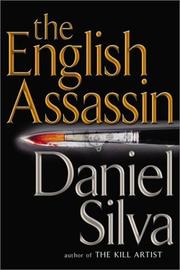
A murdered Zurich banker and looted Nazi art. Read second because it introduces Christopher Keller, a recurring figure, and it is where Silva finds the subject the series is actually about.
The Restitution Novels
BeginnerRead the early trilogy about the Holocaust, the Church and the theft of European art, which most readers consider the peak of the series.
▸ Study plan for this stage
Pace: 4–5 weeks. The Confessor is 567 pages, A Death in Vienna 463 and Prince of Fire 374. Read them consecutively and in this order — A Death in Vienna continues the emotional line from The Kill Artist, and Prince of Fire pays off all four preceding books. The Confessor is the densest of the three and wo
- Most readers consider this trilogy the peak of the series, and there is a reason: the historical material is real, contested, and gives the thrillers something to be about
- The Confessor takes on the Vatican's conduct during the Second World War, with a murdered scholar in the archives and a fictional pope trying to make an admission
- It is where Silva shows he will make a real historical argument rather than use history as scenery, and it is the most substantial book of the early run
- A Death in Vienna is about an Austrian war criminal living openly under another name, and the postwar arrangements that made that possible
- It also returns Allon to the city where he lost his son, which is why it must not be read before The Kill Artist has told you what happened there
- Prince of Fire finally explains the Vienna bombing — who ordered it and why — and it is the book the first four have been building toward
- Reading Prince of Fire early would gut the three novels before it, which is the single strongest argument for following this order rather than dipping
- The Holocaust material across all three is handled seriously and at length; these are the books in the path where the history is doing more work than the plotting
- What historical claim is The Confessor actually making, and how does Silva protect himself by fictionalising the papacy?
- How does A Death in Vienna use the gap between what was known after the war and what was prosecuted?
- Prince of Fire reframes Allon's motivation entirely. Does the reframing hold up, or does it over-explain a character who worked better unexplained?
- Across these three, where does Silva let an opposing view be argued properly, and where does he not?
- Is the restitution subject better material than the counterterrorism plots that follow? Say why.
- Read a short factual summary of the postwar art restitution effort before The Confessor. The novels assume more background than they supply.
- Track what you learn about the Vienna bombing across all five books read so far, book by book. The staged disclosure is the series' best structural work.
- Note where the plot of each book turns on a document rather than on violence. It happens more here than anywhere else in the series.
- If you were only going to read three Silva novels, this is the stage most readers would pick. Decide now whether you want to continue past it.
Next up: Allon's own history is closed off, which frees the middle books to make him an operator running teams rather than a man chasing his past.
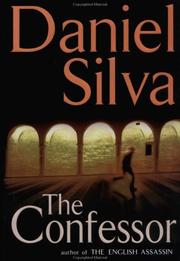
The Vatican's wartime silence, and a murdered scholar in the archives. The most substantial book of the early run and the one that established Silva's willingness to take on a real historical argument.
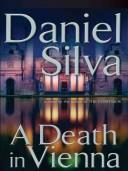
An Austrian war criminal hiding in plain sight, and the case that returns Allon to the city where he lost his son. Directly continues the emotional line from The Kill Artist and should not be read before it.
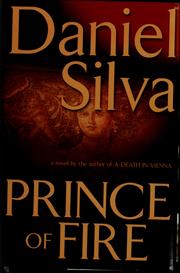
The Vienna bombing is finally explained. This is the book the first four have been building to; reading it early would gut them.
The Middle Run
IntermediateFollow Allon through the arms-dealer and Russian-intelligence years, where he stops being a lone operator and starts running teams.
▸ Study plan for this stage
Pace: 6–7 weeks. Moscow Rules is 433 pages, The Defector is its direct sequel, Portrait of a Spy 455 and The English Girl 482. Read Moscow Rules and The Defector back to back with nothing in between — they are effectively one story in two volumes. The other two can be spaced out. Note that this stage skip
- This is a route through a very long series rather than a complete list — Silva has published more than twenty Allon novels and this path selects around thirteen
- Books skipped between these titles are self-contained cases; a reader who wants everything should simply read the series in publication order, and nothing here will spoil that
- Moscow Rules starts the series' best sustained sequence: a murdered Russian journalist and an oligarch selling weapons to al-Qaeda, and it is a clean re-entry point if the earlier books have blurred together
- The Defector abducts the previous book's defector from London and is a direct continuation — reading it without Moscow Rules removes both the stakes and the guilt driving Allon
- Across these books Allon stops being a lone operator: he runs teams, manages an organisation, and the tradecraft becomes procedural rather than personal
- Portrait of a Spy recruits a Saudi heiress as an agent inside a terror-financing network, and it is the strongest of the standalone middle books
- The English Girl is the best Keller novel — a kidnapping on Corsica that turns into something else entirely — and it lands because The English Assassin established him a decade earlier
- The formula is fully visible by now: an atrocity in the opening chapters, a recruitment, a European tour, and an operation in the last hundred pages. Whether that is comfort or fatigue is the honest question this stage poses
- What makes Moscow Rules and The Defector work as a pair — what does the second book do that a single longer novel could not?
- How has Allon's role changed since Prince of Fire, and does he become less interesting as he becomes more senior?
- Portrait of a Spy turns on recruiting and running an agent. Is Silva more interesting on tradecraft than on action?
- What does Keller give the series that Allon cannot, and why does he need his own books?
- Where in this stage did you feel the formula, and did feeling it spoil the book?
- Before The Defector, reread the last chapter of Moscow Rules. The sequel opens on its consequences without recapping.
- List the recurring team members — Chiara, Eli Lavon, Yaakov, Mikhail — and what each is for. The later books deploy them like chess pieces.
- Sketch the standard Silva plot skeleton from these four books, then check it against the next one you read. It will fit.
- Look up which novels this path skips and decide whether you want them. It is a legitimate choice either way.
Next up: With Allon running operations and the supporting cast established, the late books can put him in charge of the whole service.

A murdered Russian journalist and an oligarch selling weapons to al-Qaeda. The start of the series' best sustained sequence and a clean re-entry point if the earlier books have run together.
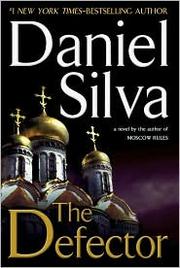
A direct sequel to Moscow Rules, with the previous book's defector abducted from London. The two are effectively one story and must be read together and in order.
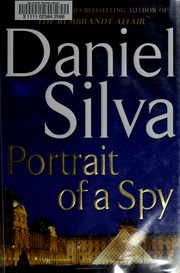
Allon recruits a Saudi heiress as an agent inside a terror-financing network. The strongest of the standalone middle books, and it introduces a character who returns.

A kidnapping on Corsica that becomes something else entirely. The best Keller novel, which is why it belongs after The English Assassin has established him.
The Late Books
IntermediateRead the recent novels, where Allon runs the service and the plots track real-world events closely.
▸ Study plan for this stage
Pace: 6–7 weeks. The Black Widow is 528 pages, House of Spies 528, The Order 464 and The Cellist 480. Read The Black Widow and House of Spies back to back, as with the Moscow pair. The Order and The Cellist are more self-contained. This stage is the stopping point the path recommends, not the end of the s
- The Black Widow sends a doctor undercover into ISIS and is the strongest of the later run; it was published shortly before events that resembled its plot closely, which gave it a reputation it has kept
- House of Spies is its direct sequel, hunting the same target through Morocco, and the two must be read as one story
- The late books track real-world events closely, sometimes within months, which is their main pleasure and their main risk — they date faster than the historical novels
- Allon is now the chief of the service, which changes the books structurally: he authorises more than he does, and Silva has to keep inventing reasons for him to be personally in the field
- The Order returns to the territory of The Confessor — a dead pope and a suppressed gospel — and it is satisfying this late precisely because you read The Confessor seventeen books ago
- The Cellist is Russian money laundering through London with characters returning from the Moscow sequence, and it closes the loop on that run
- It is the right place to stop: the personal history is complete, the best sequences have paid off, and what follows is more of the same at a consistent level of competence
- A reader who wants everything should continue in publication order from here — nothing in the remaining novels requires a special route, which is itself a comment on how the series now works
- The Black Widow's plot anticipated real events. Does that make it a better novel, or only a luckier one?
- How does the series solve the problem of a spymaster who must keep going into the field himself, and is the solution convincing?
- The Order revisits The Confessor's subject. What does the later book gain from your having read the earlier one, and what does it merely repeat?
- How current do the late books' politics feel now, and what does that suggest about writing fiction on the news cycle?
- Having read thirteen of these, where does the series peak, and where would you tell a friend to stop?
- What is the actual pleasure of this series — the plots, the tradecraft, or the accumulated familiarity of the cast?
- Before House of Spies, reread the final section of The Black Widow. The sequel starts mid-operation.
- Set The Order beside The Confessor and list what has changed in Silva's handling of the Church across seventeen years.
- Write a one-paragraph recommended route through the series for a new reader, departing from this one wherever you disagree.
- Decide explicitly whether you are continuing into the remaining novels in publication order, and note what you would be reading for.
- Return to your Allon biography file from stage one and complete it. It is now the record of a character built across roughly 6,000 pages.
Next up: The series' long threads are closed and the best books are behind you — from here it is publication order, one competent case at a time, for as long as you want them.

A doctor sent undercover into ISIS, and the book that turned out to be alarmingly close to events shortly after publication. The strongest of the later run.

The direct sequel to The Black Widow, hunting the same target through Morocco. Another pair that has to be read as one.

A dead pope and a suppressed gospel. It returns explicitly to the territory of The Confessor, which is what makes it satisfying this late rather than early.

Russian money laundering through London, and a return of characters from the Moscow sequence. A good place to stop before deciding whether to read the remaining novels straight through in publication order.
Discussion
Keep reading
Paths that share books, cover the same subject, or open a related topic.