The Best Books to Learn Film Producing, in Order
This curriculum takes an intermediate learner from a solid conceptual grounding in how the film industry actually works, through the craft of development and financing, and finally into the advanced operational and strategic realities of shepherding a project from script to screen. Each stage builds on the last—vocabulary and deal structures learned early make the later, more technical books immediately actionable.
How the Industry Works
IntermediateUnderstand the ecosystem of Hollywood and independent film—who the players are, how projects move, and how money flows—so that later books on specific crafts make immediate sense.
▸ Study plan for this stage
Pace: 6–8 weeks, ~40–50 pages/day (accounting for dense industry content and case studies)
- The studio system and its role as financier, distributor, and gatekeeper in mainstream Hollywood production
- Independent film financing models: equity, debt, pre-sales, and how they differ fundamentally from studio backing
- Deal structures: how producers, directors, and investors negotiate rights, profit participation, and creative control
- The role of agents, managers, and lawyers in shepherding projects from development through distribution
- How films move through the pipeline: development, greenlight, production, post-production, and the distribution bottleneck
- The economics of theatrical vs. alternative distribution and how box office, ancillary markets, and prestige factor into profitability
- Case studies of successful indie films (Miramax model, Sundance pathway) and their structural advantages and constraints
- What are the key differences between studio financing and independent financing, and what trade-offs does each model present to a filmmaker?
- Walk through the journey of a film project from pitch to distribution: who makes decisions at each stage, and what are the major decision points?
- How do agents and managers differ in their roles, and why are both often necessary in a producer's ecosystem?
- Explain a typical deal structure for an independent film: who gets paid first, how is profit participation allocated, and what happens if the film underperforms?
- What is the Miramax model, and how did it change the relationship between independent and mainstream cinema?
- How does the distribution landscape constrain or enable profitability for different types of films?
- Create a financing breakdown for a hypothetical indie film ($2–5M budget): identify three realistic funding sources, sketch the deal terms, and calculate how much equity/control each investor would receive
- Map out the full supply chain for one film mentioned in the books (e.g., a Miramax title from Biskind): trace its path from development through distribution, noting key decision-makers and turning points
- Write a one-page deal memo for a producer-director-investor agreement, including budget, profit participation, and creative control clauses—use the frameworks from Moore's book as your template
- Analyze the economics of two films from the books (one studio, one indie): compare their budgets, revenue streams, and profitability; explain why the indie succeeded or failed relative to its model
- Interview a local producer, line producer, or production manager about how they've financed or structured a real project; document the actual deal points and compare them to the textbook models
- Create an org chart for a production company (studio or indie) showing reporting lines, decision authority, and how money and creative control flow through the hierarchy
Next up: This stage equips you with the structural and economic literacy to understand why specific crafts (cinematography, editing, production design) matter strategically—you'll now know who pays for them, who controls them, and how they affect a film's market position and profitability.
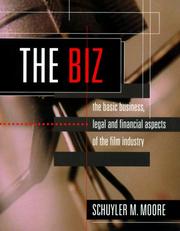
A practicing entertainment lawyer demystifies the business and legal structure of Hollywood—studios, distributors, guilds, and deal-making—giving you the vocabulary every subsequent book assumes you already have.
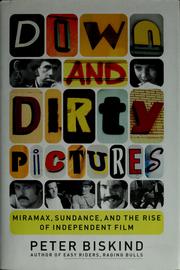
A deeply reported narrative of the indie film boom of the 1990s that illustrates, through real cases, how producers actually get films made outside the studio system—essential context before studying the craft directly.
Financing the Film
IntermediateUnderstand the full spectrum of film financing—from equity and gap financing to co-productions and tax incentives—and learn how to structure deals that actually get a film greenlit.
▸ Study plan for this stage
Pace: 4–5 weeks, ~25–30 pages/day, with 2–3 days per week dedicated to exercises and deal-structure practice
- Equity financing fundamentals: how investors provide capital and what returns/control they expect
- Gap financing and mezzanine financing: bridging the shortfall between production budget and secured funding
- Co-production structures: international partnerships, co-financing agreements, and territorial rights management
- Tax incentives and rebates: how federal, state, and international tax programs reduce effective production costs
- Deal structuring essentials: negotiating terms, understanding cash flow, and creating bankable financial models
- Greenlight decision-making: how producers present financing packages to studios and investors to secure approval
- Risk mitigation in film finance: completion bonds, insurance, and contingency planning
- The producer's role in financing: balancing creative vision with financial realities and stakeholder interests
- What are the key differences between equity financing, gap financing, and mezzanine financing, and when would you use each in a film project?
- How do tax incentives and rebates impact the overall financing structure of a film, and which jurisdictions offer the most attractive programs?
- What elements must be included in a bankable financial model to convince equity investors or gap financiers to commit capital?
- How do co-production agreements work, and what are the advantages and challenges of international co-financing?
- What is the producer's responsibility in structuring a deal, and how do you balance investor expectations with production needs?
- What role do completion bonds and insurance play in film financing, and how do they affect a project's bankability?
- Build a simple financing model for a hypothetical indie film ($2–5M budget): identify funding sources, calculate gap, and propose a financing structure using concepts from 'The Reel Truth'
- Analyze a real film's financing (research a recent indie or mid-budget film): identify the equity investors, gap financiers, and any tax incentives used; write a one-page breakdown
- Draft a one-page equity investment summary for a fictional film project, including budget, revenue projections, and investor return scenarios
- Research and compare tax incentive programs in three different jurisdictions (e.g., Louisiana, Canada, UK); calculate the rebate impact on a $3M budget in each location
- Create a simplified co-production deal memo between a US producer and an international partner, outlining territorial rights, funding split, and creative control
- Conduct a mock pitch: prepare a 5-minute verbal pitch of a film's financing package to an imaginary investor, addressing budget, sources, and risk mitigation
Next up: Mastering financing structures and deal-making in this stage equips you to move into production management and budgeting, where you'll learn how to execute the financial plan you've built and manage cash flow in real-world production scenarios.
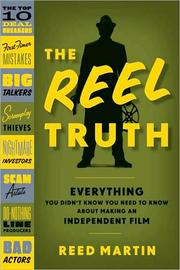
An unflinching, practical guide to independent film financing and distribution that corrects common misconceptions, making it the ideal first book on money before tackling legal and structural detail.
Physical Production: Scheduling, Budgeting & Line Producing
ExpertDevelop command of the physical production process—breaking down a script, building a schedule and budget, and managing a shoot—so you can oversee a production with authority.
▸ Study plan for this stage
Pace: 8–10 weeks, ~40–50 pages/day (mix of reading and workbook exercises)
- Script breakdown methodology: identifying all elements (cast, locations, equipment, stunts, effects) that drive scheduling and budgeting decisions
- One-line schedules and detailed day-out-of-days: translating script analysis into production calendars that optimize crew efficiency and minimize costs
- Budget line items and above-the-line vs. below-the-line costs: understanding how every department's needs translate into financial allocations
- Crew scheduling and labor regulations: managing union rules, turnaround times, and department-specific requirements to build realistic, legal schedules
- Contingency planning and problem-solving: identifying production bottlenecks (weather, locations, actor availability) and building flexibility into schedules and budgets
- Line producer's role as production authority: balancing creative vision with financial and logistical constraints while maintaining crew morale and safety
- Practical tools and forms: mastering the templates, charts, and software workflows used in real productions
- How do you conduct a complete script breakdown, and what elements must you identify to build an accurate schedule and budget?
- What is the difference between a one-line schedule and a day-out-of-days, and when would you use each in production planning?
- How do above-the-line and below-the-line budget categories differ, and why does understanding this distinction matter for a line producer?
- What are the key union rules and labor regulations that constrain your scheduling decisions, and how do you build them into your calendar?
- How do you identify production bottlenecks (e.g., limited locations, actor availability, weather) and adjust your schedule and budget to mitigate them?
- What contingencies should you build into a budget and schedule, and how do you communicate trade-offs to producers and directors?
- Break down a short script (5–10 pages) using Singleton's methodology: identify all cast, locations, equipment, stunts, and special requirements, then organize by shooting day
- Build a one-line schedule for your broken-down script, then create a day-out-of-days chart showing which elements appear on which days
- Create a simplified budget for your script breakdown using the line-item categories from Honthaner's handbook; estimate costs for key departments (camera, grip, locations, catering)
- Work through at least 3 scenarios from Singleton's workbook: adjust your schedule and budget when a location becomes unavailable, an actor's availability changes, or weather delays shooting
- Interview a working line producer or production manager about their real-world scheduling and budgeting process; document how they handle unexpected changes and manage stakeholder expectations
- Produce a complete production package for a 3–5 day shoot: script breakdown, one-line schedule, day-out-of-days, budget, and a one-page contingency plan identifying your top 3 production risks
Next up: Mastery of scheduling and budgeting establishes you as the production's financial and logistical backbone, preparing you to manage the actual shoot—coordinating departments, solving real-time problems, and keeping the production on track and on budget.
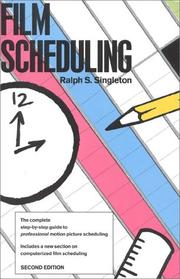
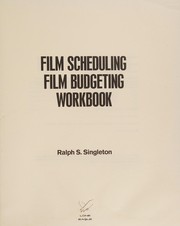
The canonical text on breaking down a script and building a production board and shooting schedule; reading this first establishes the logic that budgeting books build directly upon.
The natural companion to Singleton's scheduling book, walking through every line of a production budget with the same systematic rigor—best read immediately after to see how schedule drives cost.
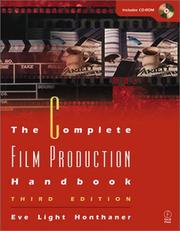
A comprehensive operational reference covering contracts, crew deals, insurance, clearances, and post-production paperwork—the definitive desk reference for a producer managing an actual production.
From Greenlight to Screen: Strategy & the Long Game
ExpertSynthesize everything into a strategic understanding of how producers shepherd projects through the full lifecycle—from pitch to festival to release—and build a sustainable career.
▸ Study plan for this stage
Pace: 6–8 weeks, ~25–30 pages/day, with 2–3 days per week for reflection and exercises
- The pitch as a strategic tool: how to frame a project's commercial and creative potential to secure greenlight
- The producer's role as a translator between creative vision and studio/market realities throughout development and production
- Deal-making and negotiation: understanding contracts, backend participation, and how financial structures shape creative decisions
- The changing Hollywood ecosystem: how technology, streaming, and shifting audience tastes have transformed the greenlight and financing process
- Building relationships and reputation as a producer's primary asset—how trust and track record open doors
- The festival circuit and prestige strategy: using festivals to build momentum, secure distribution, and position projects for awards
- Release strategy and the long tail: how producers influence marketing, distribution windows, and audience reach post-production
- Sustainable career building: balancing commercial viability with artistic integrity, managing risk, and developing a production slate
- What are the key elements of a compelling pitch, and how do they differ depending on your audience (studio executive, independent financier, agent)?
- How has the role of the producer evolved in response to changes in technology, streaming platforms, and audience behavior?
- What are the major decision points in a project's lifecycle from greenlight to release, and what role does the producer play at each?
- How do financial structures (backend deals, profit participation, financing arrangements) influence creative decisions and producer leverage?
- What strategies can a producer use to build and maintain relationships that lead to future opportunities and greenlight decisions?
- How do festivals function as a strategic tool for building audience awareness, securing distribution, and positioning a film for awards consideration?
- Pitch workshop: Write a 1-page pitch for a real or fictional project, then rewrite it three times—once for a studio executive, once for an independent financier, and once for a festival programmer. Note how the framing changes.
- Deal anatomy: Select a real film deal (from trade publications or case studies) and map out the financial structure, backend participation, and how it might have influenced creative decisions.
- Relationship audit: List 10 people in your professional network (or aspiring network) and identify what value you bring to each and what doors they might open. Create a 6-month plan to deepen 3 of these relationships.
- Festival strategy document: Choose a completed film (or a project you're developing) and create a 2–3 page festival strategy: which festivals to target, in what order, and how each serves your long-term goals.
- Ecosystem analysis: Compare how a single project (book, article, or film) would be greenlit and released in 2005 vs. 2024. What changed? How would a producer's approach differ?
- Career roadmap: Outline a 5-year production slate with 4–5 projects at different stages (development, pre-production, post-production, distribution). Identify funding sources, audience targets, and how each project builds your reputation.
Next up: This stage equips you with the strategic and relational frameworks to navigate the full producer's journey; the next stage will likely deepen your mastery of specific production domains (financing mechanisms, international co-productions, genre-specific strategies) or shift focus to emerging opportunities (digital platforms, independent models, global markets).
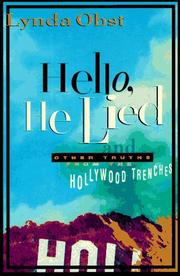
A veteran producer's candid, witty account of navigating studio politics, creative crises, and the full arc of getting a film made—brings the human and strategic dimensions of producing into sharp focus.

Obst's follow-up examines how the new economics of global distribution and the decline of the mid-budget film have transformed what producers must do to survive—the ideal capstone for understanding the modern landscape.
Discussion
Keep reading
Paths that share books, cover the same subject, or open a related topic.