Counterpoint and voice leading are among the few musical subjects where the traditional teaching order is essentially non-negotiable. You learn species counterpoint first — one deliberate constraint at a time — because it builds the ear and hand discipline that every later freedom depends on. Skip it and your part-writing stays muddy no matter how much theory you absorb.
This path follows that classical progression: strict counterpoint, then functional harmony, then the deeper structural view of how voices move across an entire piece.
Begin with strict species counterpoint
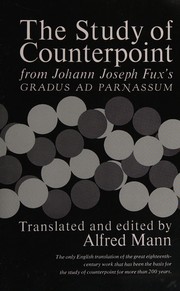
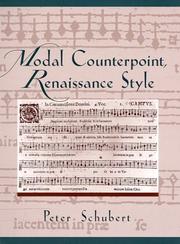
Start where the tradition starts, with The study of counterpoint by Johann Joseph Fux, the eighteenth-century text that taught Mozart and Beethoven and still teaches today. Then Counterpoint, the polyphonic vocal style of the sixteenth century by Knud Jeppesen refines it through the Palestrina style, and Modal counterpoint, Renaissance style by Peter Schubert makes that same modal practice approachable for modern students.
Add functional harmony
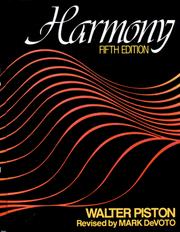
Counterpoint and harmony are two views of the same thing, so Harmony by Walter Piston and Tonal Harmony by Stefan Kostka give you the chord-based framework that voice leading operates inside. These are the standard college texts for good reason — thorough, clear, and full of examples.
Reach toward structure and analysis
Counterpoint in composition by Felix Salzer bridges strict exercises and real composition, showing how contrapuntal thinking shapes actual pieces. Immerse yourself in the repertoire with Bach Riemenschneider 371 Harmonized Chorales And 69 Chorale Melodies with Figure, the canonical collection every voice-leading student works through.
Finally, Free Composition by Heinrich Schenker and Harmony and voice leading by Edward Aldwell reveal the deep structural layers beneath the surface — how a whole movement can prolong a single harmonic idea. Follow the full path and you'll hear music as motion between voices, not just chords in a row.
Follow the full reading path →
Ready to learn something deeply?
Build a reading path — free