The Best Books on Electronic Music History, in Order
This curriculum traces the full arc of electronic music history — from the earliest experiments with sound machines to the global explosion of techno, house, and rave culture — building knowledge in deliberate layers. It begins with accessible, narrative-driven histories to establish cultural and sonic context, then moves into deeper dives on specific scenes, technologies, and the visionaries who shaped them. By the end, the reader will have both a panoramic view and a granular understanding of how machines fundamentally rewired modern music.
Foundations: The Big Picture
BeginnerEstablish a broad, engaging overview of electronic music's entire sweep — from early 20th-century experiments to the digital age — and build the vocabulary needed for deeper study.
▸ Study plan for this stage
Pace: 4–5 weeks, ~40–50 pages/day (approximately 280–350 pages total across all three books)
- The analog synthesizer as a revolutionary instrument: how voltage-controlled oscillators, filters, and envelopes transformed sound design from the 1960s onward
- Key pioneers and their contributions: Robert Moog, Don Buchla, Wendy Carlos, and other figures who shaped the synthesizer's development and cultural adoption
- The evolution from modular to portable synthesizers: how the Minimoog democratized synthesis and enabled electronic music to reach mainstream audiences
- Electronic music's roots in early 20th-century experimentation: Theremin, Ondes Martenot, and the conceptual groundwork laid before analog synthesis
- The relationship between technology and artistic vision: how composers and musicians adapted synthesizers to create new genres and aesthetic possibilities
- The vocabulary of synthesis: oscillators, filters, envelopes (ADSR), modulation, and patch-based thinking as a compositional method
- Electronic music's integration into classical, popular, and experimental contexts: from Kraftwerk to film scores to avant-garde composition
- The transition from analog to digital: how digital synthesis and sampling built upon and transformed analog foundations
- What are the key technical components of an analog synthesizer (oscillators, filters, envelopes), and how do they work together to shape sound?
- Who were the most influential pioneers in synthesizer design and electronic music composition, and what specific innovations did each contribute?
- How did the Minimoog change the accessibility and cultural impact of synthesizers compared to earlier modular systems?
- What early 20th-century instruments and experiments (Theremin, Ondes Martenot, etc.) laid the conceptual foundation for analog synthesis?
- How have different musical genres and composers—from classical to pop to experimental—adapted synthesizers to their own artistic goals?
- What is the relationship between the physical design of a synthesizer (patch cables, knobs, layout) and the creative possibilities it enables?
- How did electronic music transition from a niche avant-garde pursuit to a mainstream cultural force, and what role did specific instruments and artists play?
- Create a timeline poster or digital document mapping major synthesizer milestones from 1920–1980, including key instruments, designers, and musical breakthroughs mentioned across all three books
- Listen to 5–8 landmark recordings cited in the books (e.g., Wendy Carlos's Switched-On Bach, Kraftwerk albums, or classical pieces using early electronic instruments) and write brief notes on how the synthesizer or electronic technique shapes each piece's character
- Draw or diagram a simple analog synthesizer signal flow (oscillator → filter → envelope → output), labeling each stage and explaining how adjusting parameters changes the sound
- Write a 500–750 word profile of one pioneer (Moog, Buchla, Carlos, or another figure from the books) covering their background, key innovations, and influence on electronic music culture
- Compare two synthesizers mentioned in the books (e.g., Moog modular vs. Minimoog, or Buchla vs. Moog) in a short chart: design philosophy, portability, cost, and artistic applications
- Conduct a listening comparison: find recordings of the same piece or artist before and after synthesizer adoption (if applicable), and analyze how electronic instruments changed the sound and compositional approach
Next up: This stage equips you with the historical narrative, technical vocabulary, and cultural context needed to dive deeper into specific genres, regional scenes, or technical specializations—whether that's the development of specific synthesis techniques, the rise of electronic dance music, or the role of electronic music in film and media.
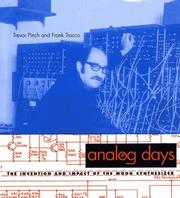
A highly readable account of the Moog synthesizer's invention and cultural impact, this is the perfect entry point — it tells a human story about how one machine changed everything, introducing key concepts like synthesis, timbre, and the tension between technology and artistry.

A visually rich, chronological guide to the history of synthesizers from the Theremin to modern digital instruments. Reading it second cements the hardware timeline and gives the beginner a concrete map of the machines that will appear throughout the rest of the curriculum.
This landmark history of 20th-century music places electronic experimentation in its full classical and avant-garde context — Stockhausen, musique concrète, and beyond — giving the reader the cultural scaffolding to understand why electronic music was so radical.
Pioneers & Experimenters
BeginnerUnderstand the visionary composers, engineers, and artists who first pushed sound into electronic territory, and how their experiments laid the groundwork for popular electronic music.
▸ Study plan for this stage
Pace: 4–5 weeks, ~25–30 pages/day. Start with "Kraftwerk" (2 weeks), then "How to wreck a nice beach" (2–3 weeks). Allow extra time for re-reading dense technical passages and listening sessions.
- Kraftwerk's evolution from experimental krautrock to electronic pop pioneers, and their role in establishing the synthesizer as a primary instrument rather than an effect
- The Man-Machine concept: how Kraftwerk blurred the line between human performance and mechanical precision, influencing decades of electronic music aesthetics
- DJ culture and hip-hop sampling as direct descendants of earlier electronic experimentation, particularly through the lens of turntablism and production techniques
- The technical foundations of electronic sound: synthesizers, drum machines, sequencers, and how early pioneers understood and manipulated these tools
- The cultural and social contexts that enabled electronic music's emergence in post-war Germany and later in urban American hip-hop communities
- How constraint and limitation (early synthesizer capabilities, turntable mechanics) became creative advantages rather than obstacles
- The relationship between avant-garde art, electronic experimentation, and popular music—how 'difficult' art became accessible and commercially viable
- How did Kraftwerk's approach to the synthesizer differ from earlier electronic music pioneers, and why was this shift significant for popular music?
- What is the 'Man-Machine' philosophy, and how did it shape Kraftwerk's artistic output and influence on subsequent electronic music?
- According to 'How to wreck a nice beach,' what is the connection between early electronic experimentation and the development of hip-hop production and DJ culture?
- What specific technical innovations or constraints (synthesizers, drum machines, turntables) did the artists discussed use creatively, and how did they overcome limitations?
- How did the post-war German cultural context contribute to Kraftwerk's emergence, and how does this compare to the urban American context that shaped hip-hop?
- What examples from these books demonstrate how experimental electronic music transitioned from avant-garde art to mainstream popular music?
- Create a timeline mapping Kraftwerk's albums and key technological innovations they adopted (synthesizers, drum machines, sequencers), then annotate it with how each album reflected their evolving philosophy
- Listen to Kraftwerk's discography chronologically (from 'Kraftwerk' through 'The Robots' era) while reading relevant chapters, noting how the sound evolves and identifying specific production techniques discussed in Bussy's book
- Research and document 3–4 hip-hop or electronic artists mentioned in 'How to wreck a nice beach,' then trace their sampling or production techniques back to the electronic pioneers discussed—create a visual 'influence map'
- Analyze a specific Kraftwerk track (e.g., 'Autobahn' or 'The Robots') and a hip-hop track that samples or references it; write a 1–2 page comparison of how each uses electronic elements and rhythm
- Conduct a 'constraint experiment': using free or low-cost music software, create a short 30–60 second piece using only one or two synthesizer sounds and a drum machine pattern, reflecting on how limitation shapes creativity
- Write a 500-word reflection comparing the 'Man-Machine' concept in Kraftwerk's work with the aesthetic of turntablism and sampling culture as described in Tompkins' book—how do both blur human and mechanical agency?
Next up: Having understood how Kraftwerk and early electronic experimenters established the foundational tools, aesthetics, and philosophies of electronic music, you're now prepared to explore how these innovations were adopted, adapted, and transformed by subsequent genres—from synth-pop and industrial to techno, house, and beyond.

Kraftwerk are the essential bridge between avant-garde experimentation and popular electronic music. This biography, read after establishing the broader context, shows exactly how one band translated academic ideas into a global cultural force.

A deep, obsessive history of the vocoder — from military encryption to hip-hop and electronic pop. It illuminates how a single technology can migrate across genres and decades, reinforcing the idea that machines carry cultural meaning.
Club Culture: House, Techno & Rave
IntermediateUnderstand the sociological, racial, and geographic forces that produced house music in Chicago, techno in Detroit, and rave culture across the UK and Europe — and how the dancefloor became the primary site of electronic music's evolution.
▸ Study plan for this stage
Pace: 8–10 weeks, ~40–50 pages/day. Start with "Last Night a DJ Saved My Life" (weeks 1–5, ~350 pages), then "Energy Flash" (weeks 6–10, ~400 pages). Allocate 1–2 days per week for reflection and exercises.
- The geographic and racial origins of house music in Chicago's South Side Black queer community and its connection to disco, funk, and imported European synth-pop
- Detroit techno as a distinct aesthetic response to deindustrialization, Motown's legacy, and the influence of Kraftwerk and European electronic pioneers
- The role of DJs as producers, remixers, and cultural architects—how turntablism and mixing became compositional tools rather than mere playback devices
- Rave culture as a mass phenomenon: the transition from underground warehouse parties to stadium events, and the role of Ecstasy (MDMA) in creating collective euphoria and social bonding
- The dancefloor as a laboratory for sonic experimentation and social liberation—how electronic music created spaces for marginalized communities (Black, queer, working-class, youth) to assert agency
- The relationship between technology (drum machines, synthesizers, samplers) and cultural expression—how affordable gear democratized music-making
- The global circulation of electronic music: how UK acid house and rave movements transformed American house and Detroit techno into new forms
- The tension between underground authenticity and commercial mainstreaming—how rave went from illegal warehouse parties to licensed mega-events
- How did the specific social and economic conditions of Chicago's South Side in the 1980s create the conditions for house music to emerge, and what role did the Black queer community play in its development?
- What distinguishes Detroit techno from Chicago house music in terms of sound, cultural context, and the artists who pioneered it?
- How did DJs transition from being entertainers who played records to being producers and composers in their own right, and what technologies enabled this shift?
- What was the relationship between Ecstasy/MDMA and the rise of rave culture, and how did this drug shape the music, aesthetics, and social dynamics of the dancefloor?
- Trace the journey of house and techno from underground/illegal spaces to mainstream commercial success—what were the key moments and what was lost or gained in this transition?
- How did UK and European producers and ravers transform American house and Detroit techno into new forms (acid house, breakbeat hardcore, drum and bass), and what does this tell us about electronic music as a global phenomenon?
- Create a timeline mapping the key figures, venues, and releases in Chicago house (1982–1990) and Detroit techno (1985–1995) using evidence from 'Last Night a DJ Saved My Life.' Annotate with the social/economic context for each period.
- Listen to 5–7 canonical tracks from each scene (e.g., Frankie Knuckles, Juan Atkins, Derrick May) while reading the relevant chapters. Write 200–300 words on how the music embodies the geographic and cultural forces described in the text.
- Diagram the 'supply chain' of rave culture as described in 'Energy Flash': track how a track moves from producer to DJ to dancefloor to radio to commercial release. Identify where authenticity is gained/lost.
- Interview or survey 3–5 people who attended raves or club nights in the 1990s–2000s (in person or online). Ask about their experience of community, the role of music/drugs, and how they felt about commercialization. Compare their accounts to Reynolds' analysis.
- Curate a 90-minute DJ mix (using Spotify, YouTube, or a DJ app) that tells the story of house → techno → rave as described across both books. Write liner notes explaining your track selection and transitions.
- Write a 500–750 word critical essay: 'How did the dancefloor become the primary site of electronic music's evolution?' Use specific examples from both books to argue how the social dynamics of clubs and raves shaped the sound and meaning of the music itself.
Next up: This stage grounds you in the sociological and geographic roots of electronic music, establishing how marginalized communities and specific places generated the sonic and cultural innovations that define the genre—preparing you to explore how these movements fragmented, globalized, and evolved into the diverse subgenres and scenes of the 1990s–2000s.
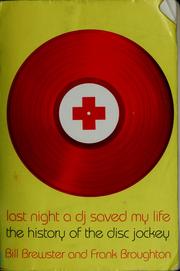
The definitive history of the DJ as artist and cultural figure, tracing the lineage from disco and funk through house and techno. It provides the essential social and musical context for understanding club culture before diving into specific scenes.
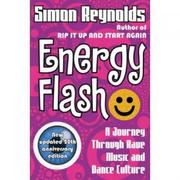
The most comprehensive and critically acclaimed account of rave, techno, jungle, and dance music culture ever written. Reynolds combines musicology, sociology, and cultural criticism — this is the cornerstone text of the entire curriculum and rewards the vocabulary built in earlier stages.
Deep Dives: Technology, Race & Identity
ExpertCritically analyze the intersections of race, technology, capitalism, and identity that shaped electronic music — moving beyond narrative history into cultural theory and the politics of sound.
▸ Study plan for this stage
Pace: 6–8 weeks, ~40–50 pages/day with weekly synthesis sessions
- Techno as a Black American cultural form rooted in Detroit's post-industrial context and African diasporic sonic traditions
- The role of technology (synthesizers, drum machines, production equipment) as both liberation tool and commodity within capitalist markets
- How race, class, and geography shaped who could access production technology and whose music was legitimized in mainstream institutions
- Techno's relationship to Afrofuturism, Black speculative imagination, and resistance to systemic marginalization
- The distinction between techno as lived cultural practice versus techno as commodified genre consumed by predominantly white European and North American audiences
- Sound itself as a political and racialized phenomenon—how timbre, rhythm, and production aesthetics carry ideological meaning
- The role of independent labels, pirate radio, and underground distribution networks in preserving Black creative autonomy outside corporate gatekeeping
- How did Detroit's deindustrialization and Black working-class experience directly shape the sonic and thematic content of early techno music?
- What role did synthesizer and drum machine technology play in democratizing music production, and how did race and class affect who could actually access these tools?
- How does Sicko argue that techno represents a form of Black resistance or self-determination, and what evidence does he provide?
- How did the commodification and 'Europeanization' of techno in the 1980s–90s affect the relationship between Black Detroit producers and the global techno market?
- What is the connection between Afrofuturism and techno music as discussed in the book, and how do artists use speculative/futuristic imagery to critique present conditions?
- How did independent record labels and underground distribution networks allow Black producers to maintain creative and economic control outside mainstream industry structures?
- Close-listen analysis: Select 3–4 key tracks mentioned in Techno Rebels (e.g., Juan Atkins, Derrick May, Kevin Saunderson) and write 500-word analyses examining production choices, sonic texture, and how they reflect the book's themes about technology, race, and resistance
- Historical timeline mapping: Create an annotated timeline of Detroit techno (1980–1995) integrating Sicko's narrative with specific album releases, label histories, and the socioeconomic context—identify how each milestone reflects the book's arguments about race and technology
- Comparative listening journal: Listen to a Detroit techno track alongside a European house or techno track from the same era; write reflectively on sonic differences and what Sicko's framework suggests about how race/geography shaped production aesthetics
- Producer biography deep-dive: Select one Detroit techno pioneer discussed in the book and research their interviews, production techniques, and career trajectory; write a 1000-word essay connecting their individual story to Sicko's larger arguments about access, autonomy, and commodification
- Critical reading response: Write 3–4 short essays (500 words each) responding to key chapters, focusing on moments where Sicko makes explicit arguments about race, technology, or capitalism—interrogate his evidence and consider counterarguments
- Sound politics seminar prep: Prepare 2–3 discussion questions per chapter that push beyond plot summary toward theoretical implications (e.g., 'How does Sicko's analysis of techno production challenge or complicate broader narratives about technology as neutral?')
Next up: This stage grounds you in the specific historical and cultural conditions that produced techno, equipping you to examine how electronic music's politics of race, technology, and identity evolved globally and how these frameworks apply to other genres and contemporary digital culture.
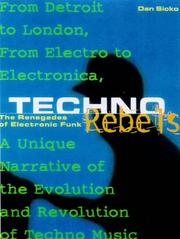
The authoritative history of Detroit techno, centering the Black American visionaries — Derrick May, Juan Atkins, Kevin Saunderson — who invented the genre. It corrects the record on who built electronic music's most influential sound and why.
Discussion
Keep reading
Paths that share books, cover the same subject, or open a related topic.