Best Books to Learn Fashion Illustration (in Order)
This curriculum takes a beginner from the very first pencil strokes of the fashion figure all the way through fabric rendering and professional portfolio presentation. Each stage builds directly on the last — you must understand the body before you can dress it, and you must be able to render convincingly before you can sell your vision to an industry audience.
The Fashion Figure: Proportions & Pose
BeginnerUnderstand the elongated fashion croquis, master basic figure proportions (the 9–10 head standard), and sketch confident poses from scratch.
▸ Study plan for this stage
Pace: 4–5 weeks, ~25–30 pages/day with daily sketching practice (30–45 minutes)
- The 9–10 head proportion system: how the fashion croquis elongates the figure compared to realistic anatomy (typically 7.5 heads)
- Head placement and facial landmarks: positioning the head, eyes, and features to establish the figure's orientation and expression
- Torso construction: understanding ribcage, waist, and hip placement using the head as a unit of measurement
- Limb proportions and joints: arm and leg length, elbow/knee placement, and how elongation affects realistic anatomy
- Stance and weight distribution: how to convey balance, movement, and posture through the croquis line and center of gravity
- Dynamic pose variation: S-curves, contrapposto, and asymmetry to create visual interest and fashion-forward silhouettes
- Quick sketching and gesture drawing: developing speed and confidence to rough out poses before refining details
- How does the fashion croquis differ from realistic human proportions, and why is the 9–10 head standard used in fashion illustration?
- How do you construct a balanced croquis using the head as your unit of measurement for torso, limbs, and overall figure height?
- What is the role of the center line and weight line in conveying pose and movement in a fashion figure?
- How do you sketch confident, dynamic poses from scratch using basic shapes and gesture lines before adding anatomical detail?
- What are the key differences between a static, frontal pose and a three-quarter or profile pose in terms of construction and visual impact?
- How do you use S-curves and asymmetry to create fashion-forward silhouettes that feel elegant and elongated?
- Measure and draw 10 croquis heads-to-toe using the 9–10 head proportion grid; compare your results to reference figures in Kiper and Tatham
- Sketch 20 quick gesture poses (2–3 minutes each) focusing on the center line and weight distribution before adding anatomical detail
- Construct 5 full-figure croquis in different stances (frontal, three-quarter, profile, sitting, walking) using only basic shapes and proportion lines
- Copy 8–10 posed figures directly from Kiper and Tatham, paying close attention to how they position the head, torso, and limbs relative to the head unit
- Create 15 original fashion poses from imagination, varying the S-curve, arm placement, and leg angle to convey movement and elegance
- Draw the same pose 5 different ways (different angles, weight shifts, arm positions) to explore variation and build pose confidence
Next up: Mastering the proportional croquis and confident pose construction provides the structural foundation needed to add clothing, fabric drape, and garment details in the next stage.

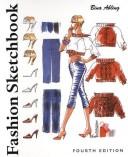
A highly accessible, visually rich starting point that introduces the fashion figure, basic proportions, and line quality — perfect for absolute beginners with no prior drawing background.
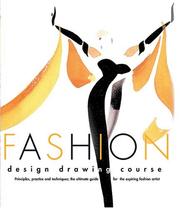
Builds on figure basics by walking through the full drawing process step-by-step, reinforcing proportion rules and introducing movement and attitude in poses.
Drawing the Dressed Figure
BeginnerLearn how garments sit, drape, and move on the body, and begin rendering different clothing silhouettes accurately over the croquis.
▸ Study plan for this stage
Pace: 4–5 weeks, ~25–30 pages/day, with 2–3 dedicated drawing sessions per week
- The relationship between the croquis (fashion figure template) and how garments drape over anatomical landmarks
- How different fabric weights and textures affect silhouette and folds—from stiff tailoring to fluid draping
- Proportion and balance in the dressed figure: how hemlines, necklines, and seams create visual rhythm
- Rendering techniques for depicting fabric surfaces, shadows, and highlights to convey material quality
- Translating design intent into illustration: how fashion designers use line, value, and detail to communicate garment construction
- Common silhouettes (fitted, A-line, oversized, structured) and how to construct them consistently over the croquis
- The role of gesture and movement in fashion illustration—how posture affects how garments sit and fold
- How does the underlying croquis structure inform where garments will sit and fold on the body?
- What are the key differences in how a stiff fabric (like denim or structured wool) drapes versus a fluid fabric (like silk or chiffon)?
- How do fashion designers use line weight, shading, and detail to communicate the material and construction of a garment in illustration?
- What visual strategies can you use to create a sense of movement and weight in a dressed figure?
- How do you maintain consistent proportions and silhouette when rendering the same garment across different poses or figure positions?
- What is the relationship between the neckline, armhole, and waistline placement and the overall visual balance of a dressed figure?
- Using Stecker's croquis templates, draw 10 basic silhouettes (fitted dress, A-line skirt, oversized shirt, tailored jacket, etc.) with accurate proportions and minimal detail—focus on outline and balance
- Select 5 illustrated garments from Borrelli's book and analyze the rendering technique: identify how the designer used line, shading, and texture to convey fabric weight and movement
- Drape study: sketch the same simple garment (e.g., a basic shirt or wrap dress) on 5 different croquis poses, noting how folds and silhouette shift with body position
- Render a fitted garment and a fluid garment side-by-side, using Stecker's guidance on construction and Borrelli's rendering techniques to show the difference in how they sit on the body
- Create a mood board of 8–10 real-world garments (photos or fabric swatches) organized by silhouette type, then sketch each as a fashion illustration using the principles from both books
- Redraw one illustration from Borrelli's book, focusing on replicating the designer's approach to line, proportion, and fabric rendering—analyze your choices afterward
Next up: Mastering how garments drape and render on the croquis establishes the technical foundation needed to move into more complex design communication—such as adding color, pattern, and detail work, or exploring how to illustrate garments in motion and from multiple viewpoints.

Bridges the gap between the bare figure and the dressed figure, explaining how fabric weight and cut affect how clothes look when drawn on the body.
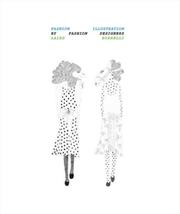
Exposes the learner to a wide range of professional illustrators' approaches to the dressed figure, building visual vocabulary and stylistic awareness before moving into advanced rendering.
Developing a Personal Style & Advanced Illustration
IntermediateMove beyond technical correctness to develop a distinctive illustrative voice, experiment with mixed media, and understand how professional illustrators compose full looks.
▸ Study plan for this stage
Pace: 4–5 weeks, ~25–30 pages/day, with 2–3 dedicated illustration practice days per week
- Developing a personal illustrative voice and signature style beyond copying techniques
- Understanding contemporary fashion illustration trends and how they differ from classical approaches
- Mastering mixed media techniques (combining digital, traditional, collage, and experimental materials)
- Composing complete looks: coordinating garments, accessories, and styling with cohesive visual narratives
- Analyzing how professional illustrators use proportion, line quality, and abstraction to convey personality
- Building a portfolio-ready body of work that demonstrates both technical skill and creative vision
- Understanding the relationship between illustration style and target audience/market positioning
- What distinguishes a personal illustrative style from technically correct but generic fashion drawing?
- How do the contemporary approaches in 'Fashion Illustration Next' challenge or expand on traditional methods covered in 'The Complete Book of Fashion Illustration'?
- What mixed media techniques can you combine to create unique visual effects in fashion illustration, and when is each most effective?
- How do professional illustrators use composition, color, and abstraction to tell a complete story about a look rather than just depicting individual garments?
- What elements of your own work would you emphasize or develop to create a recognizable personal brand as an illustrator?
- How do you balance technical accuracy with stylistic freedom when illustrating fashion?
- Complete 5–7 full-look illustrations using only one mixed media combination (e.g., ink + watercolor, collage + gouache, digital + hand-drawn elements) to develop mastery and consistency
- Analyze 3–4 professional illustrators featured in both books; create a style analysis document identifying their signature techniques, proportions, line weights, and compositional choices
- Illustrate the same outfit 4 different ways using distinctly different styles (minimalist, maximalist, abstract, photorealistic) to explore stylistic range and intentional choice
- Create a 10-piece mini-collection where each illustration uses a different mixed media approach; write a brief statement explaining your creative choices for each
- Redraw one of your earlier fashion illustrations using techniques learned from the books; document what changed and why
- Develop a mood board + 3 finished illustrations for a fictional fashion brand or client, demonstrating how style choices communicate brand identity
Next up: This stage equips you with a distinctive visual voice and portfolio-ready mixed media skills, preparing you to move into specialized applications such as editorial work, digital fashion design, or commercial illustration where your personal style becomes your competitive advantage.
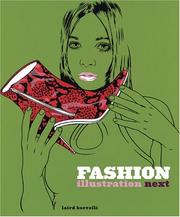
Showcases cutting-edge contemporary illustrators and their experimental approaches, pushing the learner to question conventions and develop their own aesthetic.
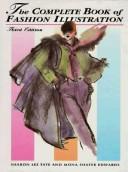
A comprehensive intermediate-to-advanced reference that consolidates figure, fabric, and composition skills, serving as a bridge into portfolio-level work.
Discussion
Keep reading
Paths that share books, cover the same subject, or open a related topic.