Esthetician: the reading path to skincare, licensure, and the treatment room
This curriculum takes a beginner from zero skincare knowledge to state board exam readiness, moving through skin science fundamentals, professional treatment techniques, business skills, and finally targeted exam preparation. Each stage builds the vocabulary and conceptual foundation needed for the next, mirroring the progression of an accredited esthetics program — though hands-on clinical training at a licensed school remains essential for licensure.
Foundations of Skin Science
BeginnerUnderstand the biology of skin — its structure, functions, and basic conditions — so that all future study of treatments and techniques has a scientific anchor.
▸ Study plan for this stage
Pace: 8–10 weeks, ~40–50 pages/day. Start with Milady Standard Foundations (weeks 1–6, focusing on skin structure, physiology, and conditions), then transition to The Skin Type Solution (weeks 7–10, applying foundational knowledge to skin classification and personalized assessment).
- Skin structure and layers: epidermis, dermis, and hypodermis—their composition, cell types, and functions
- Skin physiology: barrier function, pH regulation, thermoregulation, and sensory perception
- Cell turnover and keratinization: how skin cells are produced, mature, and shed
- Common skin conditions and disorders: acne, eczema, psoriasis, rosacea, and hyperpigmentation—their causes and characteristics
- Skin type classification: the Baumann system (oily/dry, sensitive/resistant, pigmented/non-pigmented) and how it differs from skin condition
- The relationship between skin biology and treatment response: why understanding structure and function informs safe, effective esthetic procedures
- Factors affecting skin health: genetics, age, environment, lifestyle, and skincare ingredients
- Professional assessment skills: how to analyze and identify skin types and conditions in a client consultation
- What are the three main layers of skin, and what key structures and cell types are found in each?
- How does the skin barrier function, and why is maintaining barrier integrity essential in esthetic treatments?
- What is the difference between skin type and skin condition, and why does this distinction matter for treatment planning?
- Describe the Baumann skin type system: what are the four dimensions, and how do they help personalize skincare recommendations?
- What causes common inflammatory skin conditions like acne and rosacea, and how does understanding their biology inform treatment approaches?
- How do age, genetics, and environmental factors alter skin structure and function, and what implications does this have for esthetic practice?
- Using the Milady workbook diagrams, label and identify all layers of the epidermis, dermis, and hypodermis; then describe the function of at least three cell types (keratinocytes, melanocytes, Langerhans cells, fibroblasts).
- Create a visual comparison chart: list 5–6 common skin conditions (acne, eczema, psoriasis, rosacea, hyperpigmentation) and for each, note the biological cause, affected skin layer, and visible symptoms.
- Take the Baumann Skin Type Quiz (referenced in The Skin Type Solution) and determine your own skin type across all four dimensions; write a 1–2 page analysis of your results and what they mean for your skincare routine.
- Conduct a mock client consultation: practice assessing a peer's or family member's skin using the assessment framework from both books—identify their skin type (Baumann system) and any visible conditions, then explain your findings using proper anatomical and physiological terminology.
- Create a study guide on skin barrier function: explain the role of lipids, natural moisturizing factors (NMF), and the acid mantle; then describe how common esthetic treatments (exfoliation, cleansing) affect barrier integrity.
- Research and write a 2–3 page case study: select one skin condition from Milady (e.g., acne or rosacea), explain its biological mechanism using the book's content, and hypothesize how understanding this mechanism would guide treatment selection.
Next up: This stage establishes the scientific foundation—skin structure, physiology, and classification—that is essential for the next stage, which will focus on specific esthetic treatments, products, and techniques that work *because* of how skin is biologically organized and functions.

The industry's most widely used foundational textbook; it introduces anatomy, physiology, skin structure, and the vocabulary of esthetics in a clear, beginner-friendly format. Start here to build the shared language of the profession.
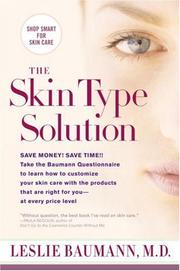
Written by a dermatologist, this book translates skin science into practical skin-type analysis — a core skill for every esthetician. Reading it second reinforces the biology from Milady with real-world client application.
Ingredients, Products & Skin Health
BeginnerLearn how cosmetic ingredients work, how to read formulations critically, and how product selection connects to skin conditions and client goals.
▸ Study plan for this stage
Pace: 4–5 weeks, ~40–50 pages/day (mix of workbook exercises and textbook reading)
- Cosmetic ingredient chemistry: emollients, humectants, occlusives, actives, and preservatives and their functions in formulations
- How to read and interpret product labels, ingredient lists (INCI nomenclature), and concentration levels to assess product quality and efficacy
- Skin barrier structure and function: stratum corneum, lipid matrix, and how ingredients penetrate or support barrier health
- Matching product ingredients and formulations to specific skin conditions (acne, sensitivity, aging, hyperpigmentation, dehydration)
- The relationship between pH, stability, and ingredient efficacy in skincare formulations
- Active ingredients (retinoids, vitamin C, AHAs/BHAs, peptides, niacinamide) and their mechanisms of action on skin
- Client assessment protocols to determine skin type, condition, and sensitivities before recommending products
- Professional product selection and customization based on individual client goals and contraindications
- What is the difference between an emollient, humectant, and occlusive, and why would you recommend each for different skin conditions?
- How do you read an INCI ingredient list, and what does ingredient order tell you about product concentration and formulation intent?
- Explain how the skin barrier works and describe three types of ingredients that support or compromise barrier health.
- What are the mechanisms of action for at least three active ingredients (e.g., retinoids, vitamin C, AHAs), and which skin conditions benefit from each?
- How would you assess a client's skin type and condition, and what product recommendations would you make for a dehydrated, acne-prone client versus a mature, sensitive client?
- Why is pH important in skincare formulations, and how does it affect ingredient stability and skin safety?
- Complete all workbook exercises in Milady's Standard Esthetics Advanced Student Workbook related to ingredients, formulations, and product selection; focus on labeling and ingredient identification tasks.
- Collect 5–10 real product labels from professional skincare lines and practice reading INCI lists: identify the base ingredients, active ingredients, preservatives, and pH (if listed); categorize each ingredient by function.
- Create a product recommendation matrix: list 5 common skin conditions (acne, sensitivity, dehydration, aging, hyperpigmentation) and recommend specific products or ingredient combinations from the books, with written justifications based on mechanism of action.
- Conduct mock client consultations with a study partner: perform a skin assessment, identify skin type and condition, and recommend a customized skincare routine with 3–4 products, explaining your choices using ingredient knowledge.
- Write detailed product profiles for 3 active ingredients (e.g., retinol, niacinamide, salicylic acid): include mechanism of action, ideal skin types, concentration ranges, contraindications, and expected results timeline.
- Perform a comparative analysis of two similar products (e.g., two vitamin C serums or two moisturizers): compare INCI lists, ingredient concentrations, pH, and formulation stability; assess which is better suited for which client and why.
Next up: This stage equips you with the scientific foundation to understand how ingredients and products address skin health, preparing you to move into advanced clinical assessment and treatment planning where you'll apply this knowledge to complex, multi-condition clients and integrate professional treatments with homecare regimens.

Picks up where Fundamentals leaves off, covering advanced skin analysis, chemical exfoliation, and specialty treatments — essential reading before diving into ingredient chemistry.
A rigorous, evidence-based guide to how cosmetic ingredients interact with skin; reading it after the Milady Advanced text lets you evaluate product claims with scientific confidence.
Professional Treatments & Techniques
IntermediateDevelop a working knowledge of the full menu of esthetic services — facials, chemical peels, waxing, and more — and understand the protocols, contraindications, and client-care principles behind each.
A practitioner-focused guide that bridges textbook knowledge and real treatment room protocols, helping the learner think like a working esthetician before exam prep begins.
Business of Esthetics & Client Relations
IntermediateUnderstand the professional and entrepreneurial side of esthetics — building a clientele, salon/spa operations, ethics, and communication — so licensure leads to a sustainable career.
▸ Study plan for this stage
Pace: 4–5 weeks, ~40–50 pages/day (focusing on business, client relations, and professional practice chapters)
- Professional ethics and standards in esthetics and barbering — scope of practice, legal responsibilities, and client safety
- Building and maintaining a loyal clientele through communication, consultation, and personalized service
- Salon and spa operations — sanitation protocols, inventory management, pricing, and business fundamentals
- Client consultation and assessment techniques — understanding skin/hair types, needs, and contraindications
- Professional image and personal branding — grooming standards, workplace conduct, and reputation building
- Conflict resolution and difficult client situations — handling complaints, managing expectations, and retention strategies
- Licensing, regulations, and legal compliance — state board requirements, record-keeping, and liability awareness
- What are the key ethical obligations of an esthetician or barber, and how do they protect both the client and the practitioner?
- How do you conduct an effective client consultation to identify needs, contraindications, and realistic service outcomes?
- What sanitation and safety protocols must be followed in a salon/spa environment, and why are they non-negotiable?
- How do you build and retain a loyal clientele, and what communication strategies strengthen client relationships?
- What are the essential business operations (pricing, inventory, scheduling, record-keeping) required to run a profitable salon or spa?
- How do you handle difficult client situations, complaints, or unmet expectations professionally and ethically?
- Conduct mock client consultations with peers or mentors, practicing intake forms, asking diagnostic questions, and documenting findings
- Create a personal professional brand statement and grooming/image plan that aligns with salon standards and target clientele
- Develop a pricing strategy for 3–5 common esthetic or barbering services based on time, materials, and local market research
- Role-play difficult client scenarios (e.g., unsatisfied with results, requesting unsafe services, boundary violations) and practice professional responses
- Audit a salon's sanitation and safety protocols against state board requirements; identify gaps and propose corrections
- Build a client record-keeping system (digital or paper) that tracks preferences, service history, contraindications, and follow-up notes
- Research your state's esthetics/barbering licensing requirements and regulations; create a checklist of compliance obligations
Next up: Mastering the business, ethical, and interpersonal foundations of esthetics prepares you to apply advanced technical skills with confidence, knowing how to position services, manage client expectations, and operate within legal and professional boundaries — essential before specializing in advanced treatments or expanding into salon management or entrepreneurship.
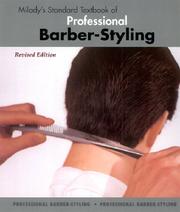
While barbering-focused, its business, sanitation, and professional-standards chapters are directly applicable to any licensed beauty professional and are referenced on many state board exams.
A candid, practical guide to navigating salon employment, booth rental, and building a client base — essential reading for turning a license into a livelihood.
State Board Exam Preparation
ExpertConsolidate all prior knowledge into exam-ready mastery of both the written (theory) and practical components of the esthetics state board examination.
▸ Study plan for this stage
Pace: 8–10 weeks, ~40–50 pages/day with daily practice drills and weekly full-length practice exams
- Comprehensive skin anatomy, physiology, and pathology relevant to esthetic treatments and contraindications
- Professional standards, sanitation, disinfection, and safety protocols required for state board compliance
- Facial and body treatment procedures, product chemistry, and equipment operation with precise technical knowledge
- Business and professional ethics, client consultation, and communication skills tested on the written exam
- Practical application of makeup, waxing, chemical peels, microdermabrasion, and other hands-on techniques to state standards
- Regulatory compliance, licensing requirements, and scope of practice specific to your state board jurisdiction
- Test-taking strategy, time management, and identification of high-yield content areas from Milady's exam review
- What are the key differences between various skin conditions (acne, rosacea, hyperpigmentation, aging) and the appropriate esthetic treatments and contraindications for each?
- How do you properly sanitize, disinfect, and sterilize tools and equipment according to state board standards, and what are the legal consequences of non-compliance?
- What is the correct procedure, product selection, and safety protocol for performing chemical peels, microdermabrasion, facials, waxing, and makeup application?
- How do you conduct a professional client consultation, identify client needs, document informed consent, and communicate treatment limitations and realistic outcomes?
- What are the regulatory requirements, scope of practice limitations, and ethical standards that govern estheticians in your state?
- Can you identify the active ingredients, pH levels, and contraindications of common esthetic products (serums, masks, exfoliants, sunscreen)?
- How do you manage time effectively during the practical exam, and what are the most common mistakes that cause candidates to fail?
- Complete all chapter-by-chapter practice questions in the Exam Review, tracking your accuracy and reviewing every incorrect answer with the textbook
- Take full-length timed practice exams (120 questions, 2 hours) weekly, simulating actual test conditions and analyzing weak content areas
- Create flashcards for all skin conditions, product ingredients, equipment names, and sanitation procedures; review daily for 15–20 minutes
- Perform hands-on practice of all required techniques (facials, waxing, makeup application, chemical peels if applicable) on mannequins or willing partners, timing yourself to meet practical exam speed requirements
- Conduct mock client consultations with a study partner, practicing communication, intake forms, patch testing, and contraindication assessment
- Review your state board's specific laws and regulations alongside Milady content, creating a supplemental study guide on jurisdiction-specific requirements
- Identify your lowest-scoring content areas from practice exams and dedicate focused review sessions (2–3 hours) to those topics using Milady's detailed explanations
Next up: Upon completion of this stage, you will be fully prepared to sit for your state board examination with mastery of both written theory and practical skills, positioning you to pass the exam on your first attempt and transition into professional esthetic practice.

The gold-standard exam prep companion to the Milady textbooks; its Q&A format systematically tests every domain covered on state board exams, revealing gaps to review before test day.
Discussion
Keep reading
Paths that share books, cover the same subject, or open a related topic.