Cosmetology and hairstyling: the reading path to a beauty career
This curriculum takes a complete beginner from the foundational science of hair and skin all the way through advanced salon techniques and licensing exam readiness. Each stage builds on the last — starting with the "why" (biology and chemistry), moving into hands-on skills, then professional practice, and finally exam mastery — so that by the end the learner is both technically skilled and career-ready.
Foundations: Science of Hair & Skin
BeginnerUnderstand the biological and chemical foundations of hair, skin, and nails — the essential vocabulary and science that underpin every technique in cosmetology.
▸ Study plan for this stage
Pace: 4–5 weeks, ~25–30 pages/day (alternating between Milady's workbook sections and Davis-Sivasothy's science text for conceptual depth)
- Hair structure: cortex, medulla, and cuticle layers and their chemical composition (keratin, proteins, hydrogen bonds, disulfide bonds)
- The hair growth cycle: anagen, catagen, and telogen phases and how they affect service timing and outcomes
- Skin anatomy and physiology: epidermis, dermis, hypodermis, and the role of pH balance in skin health
- Chemical properties of hair: porosity, elasticity, and density, and how they determine service suitability and product selection
- Melanin production and pigmentation in hair and skin, with specific attention to melanin distribution in different hair types
- Nail structure and growth: matrix, nail bed, and plate composition, and common nail conditions
- How moisture, protein, and lipid balance affect hair and skin integrity across different textures and ethnicities
- The science behind common cosmetology services: how chemical bonds are broken and reformed during chemical treatments
- What are the three layers of the hair shaft, and what role does each play in hair strength and appearance?
- Explain the three phases of the hair growth cycle and why understanding them matters for services like relaxers or color treatments.
- What is the difference between porosity and elasticity, and how do you assess these properties to determine appropriate treatments?
- How does pH affect the cuticle layer, and why is pH balance critical in cosmetology products and services?
- What is the relationship between melanin, hair color, and skin tone, and how does this vary across different populations?
- Describe the structure of the nail and explain why the matrix is the most important part for nail health and growth.
- Complete all anatomy and physiology sections in Milady's workbook with diagrams—label the hair shaft layers, skin layers, and nail structures from memory.
- Conduct a personal hair and skin assessment: determine your own hair porosity (float test), elasticity (stretch test), and density; document findings and compare to concepts in Davis-Sivasothy.
- Create a visual study guide (poster or digital) mapping the hair growth cycle with timelines and explaining why each phase matters for chemical services.
- Read and annotate the melanin and pigmentation chapters in Davis-Sivasothy, then write a 1–2 page summary explaining how melanin distribution differs across hair types and ethnicities.
- Work through practice questions in Milady's workbook on hair and skin chemistry; score at least 85% before moving forward.
- Perform a microscopic or close-up examination of different hair samples (if available) and identify visible differences in cuticle condition, color, and texture; correlate observations to porosity and elasticity concepts.
Next up: This stage equips you with the scientific vocabulary and understanding of hair, skin, and nail structure necessary to predict how different treatments will affect these tissues—preparing you to move into the next stage where you'll learn specific techniques (cutting, coloring, chemical treatments) and how to select and apply them safely based on client needs.

The single most widely used cosmetology textbook in the United States, covering anatomy, skin, hair, and nails from the ground up. Start here to build the core vocabulary and scientific framework the entire field is built on.

Provides an in-depth, science-based look at hair biology, porosity, and moisture balance — especially for textured hair types. Reading it after Milady deepens your understanding of hair structure and why products and techniques work differently across hair types.
Core Techniques: Hair & Color
BeginnerLearn the hands-on fundamentals of cutting, coloring, and chemical services, building practical technique on top of the science already studied.
▸ Study plan for this stage
Pace: 8–10 weeks, ~40–50 pages/day with hands-on practice sessions 3–4 times per week
- Hair cutting fundamentals: sectioning, angles, and guide lines for basic cuts (bobs, layers, fades)
- Hair coloring theory and application: mixing ratios, timing, processing, and safety protocols
- Chemical services: permanent waves, relaxers, and straightening treatments with proper sectioning and tension control
- Practical safety and sanitation in all chemical and mechanical services
- Proper tool handling, maintenance, and ergonomics to prevent injury and ensure precision
- Client consultation and communication techniques to assess hair type, condition, and desired outcomes
- Troubleshooting common mistakes in cutting, coloring, and chemical services
- What are the key sectioning patterns used in basic haircuts, and how do guide lines determine the final shape?
- How do you calculate and mix color formulas, and what factors affect processing time and results?
- What are the safety precautions and step-by-step procedures for applying permanent waves and chemical relaxers?
- How do you assess hair texture, porosity, and condition to determine appropriate service choices?
- What are the most common cutting and coloring mistakes, and how do you correct or prevent them?
- How should you maintain and sanitize cutting and coloring tools between clients?
- Practice sectioning patterns on mannequin heads (minimum 10 repetitions each for basic cuts)
- Perform at least 5 complete haircuts on practice heads, focusing on guide lines and angles
- Mix and apply color formulas on swatches and practice heads, timing each application
- Practice permanent wave wrapping on mannequin heads with proper tension and rod placement
- Conduct mock client consultations with peers, documenting hair analysis and service recommendations
- Create a personal reference guide with photos of sectioning patterns, color mixing ratios, and chemical service procedures
- Perform a complete chemical service (perm or relaxer) on a practice head under supervision, documenting each step
Next up: This stage equips you with the core mechanical and chemical skills needed to perform services independently; the next stage will likely focus on advanced techniques, specialty services, and business/client management skills to operate as a professional stylist.

The official companion workbook to the Milady textbook, reinforcing techniques through step-by-step exercises and self-assessments. Working through it immediately after the main text cements procedural knowledge before moving to more specialized skills.
Skin, Nails & Esthetics
IntermediateExpand beyond hair into skin care and nail services — the other pillars of a full cosmetology license — and understand how these disciplines connect in a salon environment.
▸ Study plan for this stage
Pace: 8–10 weeks, ~40–50 pages/day. Week 1–6: Milady Bundle (foundational esthetics theory, anatomy, treatments); Week 7–10: The Skin Type Solution (personalized skin analysis and client matching).
- Skin anatomy and physiology: layers, cell turnover, and how products penetrate the epidermis and dermis
- The four pillars of professional esthetics: cleansing, exfoliation, hydration, and sun protection
- Nail anatomy, growth cycles, and common pathologies to recognize and refer appropriately
- The Baumann Skin Type System: how to classify clients into 16 skin types using the ONT matrix (Oily/Dry, Normal/Sensitive, Thick/Thin)
- Matching treatments and product recommendations to individual skin types and conditions
- Professional salon protocols: client consultation, patch testing, contraindications, and safety standards
- How skin care, nail services, and hair services integrate into a cohesive client experience and business model
- Ethical boundaries: when to refer clients to dermatologists or medical professionals
- What are the five layers of the epidermis, and which layer contains melanin and is responsible for cell turnover?
- How do you classify a client into one of the 16 Baumann Skin Types, and why is this classification more useful than generic 'oily' or 'dry' labels?
- What are the structural and functional differences between the three main parts of a nail, and what do nail conditions reveal about overall health?
- Describe a complete professional facial treatment protocol from consultation through product application and aftercare recommendations.
- When should you refer a client to a dermatologist instead of treating a skin concern in-salon, and what are the red flags?
- How do you perform a patch test, and why is it essential before recommending a new product or treatment?
- Complete a full skin-type analysis on 3–5 volunteer clients using the Baumann system; document their OONT classification and create a customized skincare routine for each.
- Practice the Milady standard facial protocol on a mannequin or willing partner, timing each step and narrating the purpose of each product and technique.
- Create a reference chart mapping the 16 Baumann Skin Types to specific product recommendations and treatment contraindications from the Milady bundle.
- Perform nail health assessments on 5 people, identifying any signs of fungal infection, ridging, discoloration, or other pathologies; document findings and appropriate referrals.
- Conduct mock client consultations (with peers or mentors) that integrate hair, skin, and nail concerns; practice asking diagnostic questions and recommending a coordinated service plan.
- Research and compile a salon protocol document covering patch-test procedures, contraindications, emergency procedures, and when to refer to medical professionals.
Next up: Mastery of skin and nail fundamentals, combined with the ability to classify and customize treatments for individual clients, prepares you to advance into specialized treatments (chemical peels, microdermabrasion, advanced nail services) and to understand how to build a profitable, integrated salon business that serves the whole client.

The authoritative textbook for skin care within the cosmetology world, covering skin anatomy, facial treatments, and product chemistry. Reading it at this stage rounds out your licensure knowledge beyond hair.
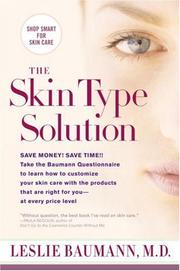
Written by a dermatologist, this book deepens your understanding of skin types, conditions, and ingredient science — giving you a clinically grounded perspective that elevates client consultations and product recommendations.
Salon Business & Professionalism
IntermediateUnderstand the business side of cosmetology — client relations, salon culture, booth rental vs. employment, and building a sustainable career — so technical skills translate into real income.
▸ Study plan for this stage
Pace: 4–5 weeks, ~25–30 pages/day, with 2–3 review days per week
- Salon business models: booth rental vs. employee status, legal and financial implications of each
- Client relationship management: consultation techniques, communication, retention, and handling difficult clients
- Professional standards and salon culture: dress code, punctuality, teamwork, and ethical conduct
- Financial literacy for cosmetologists: pricing services, managing expenses, taxes, and building personal income
- Career planning and growth: specialization, continuing education, and long-term sustainability in the industry
- Salon operations and management: understanding how salons function, scheduling, inventory, and profitability
- Personal branding and client loyalty: building a reputation, social media presence, and referral systems
- What are the key differences between booth rental and employment in a salon, and what are the financial and legal implications of each?
- How do you conduct an effective client consultation, and what communication techniques help build long-term client relationships?
- What professional standards and behaviors are expected in a salon environment, and why does salon culture matter to your career success?
- How do you price your services competitively while ensuring profitability, and what expenses should you account for as an independent or employed cosmetologist?
- What strategies can you use to build personal branding and client loyalty, and how does this translate into sustainable income?
- How does understanding salon operations and management help you make better career decisions, whether as an employee or booth renter?
- Create a financial comparison spreadsheet: calculate monthly income, expenses, and net profit under both booth rental and employee scenarios based on realistic salon rates in your area
- Role-play 3 client consultations (with a friend or mentor): practice active listening, asking clarifying questions, and setting realistic expectations for services
- Draft a personal service menu: list 5–8 services you plan to offer, research competitor pricing, and justify your pricing based on time, materials, and expertise
- Develop a 90-day client retention plan: identify strategies for follow-up communication, loyalty incentives, and referral systems you'll implement
- Observe or shadow a salon professional for 4–6 hours: document salon operations, client flow, professional interactions, and areas where you'd want to improve
- Write a professional code of conduct for yourself: outline your standards for punctuality, appearance, client confidentiality, teamwork, and ethical behavior in the salon
Next up: This stage equips you with the business acumen and professional mindset needed to apply your technical cosmetology skills in a real salon environment, setting the foundation for the next stage's focus on specialized techniques and advanced service delivery.
Covers the professional and business skills specific to salon work: client communication, ethics, infection control, and career planning. It is the natural bridge between technical training and entering the workforce.

Pivot Point's curriculum-based text offers a second authoritative perspective on both technique and salon professionalism, reinforcing and expanding on what Milady covers and exposing the learner to industry-standard workflows used in many top schools.
Licensing Exam Mastery
ExpertConsolidate all prior knowledge into targeted exam preparation, ensuring the learner can pass both the written and practical portions of their state cosmetology licensing exam with confidence.
▸ Study plan for this stage
Pace: 8–10 weeks, ~40–50 pages/day with daily practice drills and mock exams
- Exam format, question types, and time management strategies for written and practical licensing exams
- State board regulations, sanitation/disinfection protocols, and safety standards specific to cosmetology practice
- Hair structure, scalp analysis, and chemical processes (coloring, perming, relaxing) with troubleshooting techniques
- Skin analysis, facial treatments, makeup application, and contraindications for esthetic services
- Nail care, manicure/pedicure techniques, and nail pathology recognition and referral protocols
- Client consultation frameworks, communication skills, and professional ethics in salon settings
- Business fundamentals: pricing, inventory management, and salon operations relevant to licensing expectations
- Practical demonstration standards: proper sectioning, application techniques, and quality control for all services
- What are the key differences between written and practical exam formats, and what time management strategies should you employ for each?
- How do state board regulations and sanitation standards directly impact your daily practice, and what violations could result in license suspension?
- Given a client scenario with specific hair type and condition, how would you diagnose the issue and recommend or perform the appropriate chemical service?
- What are the contraindications and safety protocols for facial treatments and esthetic services, and when should you refer a client to a medical professional?
- How do you recognize common nail pathologies, and what is your responsibility as a licensed professional when you encounter them?
- How would you structure a client consultation to gather necessary information, set realistic expectations, and document informed consent?
- What are the business and operational standards that licensing boards expect licensed professionals to understand and uphold?
- Can you demonstrate proper sectioning, product application, timing, and finishing techniques for at least three core services (e.g., color, perm, facial)?
- Complete full-length practice exams (written) under timed conditions weekly; track weak areas and review corresponding sections in Milady's Master Educator
- Create a state-specific study guide by cross-referencing your state board's exam outline with Milady's Master Educator chapters; highlight high-frequency topics
- Perform live or recorded demonstrations of five core services (haircut, color application, perm, facial, manicure) and critique yourself against licensing standards
- Conduct mock client consultations with a study partner, practicing intake forms, patch tests, allergy screening, and informed consent documentation
- Build flashcard decks for sanitation/disinfection procedures, nail pathologies, skin conditions, and chemical process troubleshooting; review daily
- Practice hair and skin analysis on mannequins and willing peers; document findings and treatment recommendations as you would for exam evaluators
- Simulate practical exam stations: set up workstations, manage time across multiple services, and perform quality checks as an examiner would
- Study your state's specific cosmetology laws and regulations; create a summary document and quiz yourself weekly on compliance scenarios
Next up: This stage equips you with the comprehensive knowledge, exam-specific strategies, and demonstrated technical skills required to pass your state licensing exam; upon completion, you will be ready to sit for the exam and transition into your professional career as a licensed cosmetologist.

While aimed at future educators, this text forces a deep review of every cosmetology domain at a higher level of comprehension — reading it as a study tool dramatically strengthens exam performance and long-term retention.
A focused, question-and-answer review resource designed specifically for state board exam prep. Use it last, after all conceptual learning is complete, to drill terminology, procedures, and safety rules until they are second nature.
Discussion
Keep reading
Paths that share books, cover the same subject, or open a related topic.