Electronic music history rewards a chronological reading because the genres make far more sense as a lineage. Techno without Kraftwerk, or rave without the synthesizer's invention, reads like effects without causes. Following the story in order shows how each scene inherited and rebelled against the one before it.
This path starts with the instrument's birth, moves through its cultural spread, and lands on the dance movements and futurist visions that electronic music produced.
Start with the machines
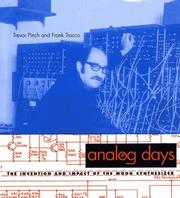
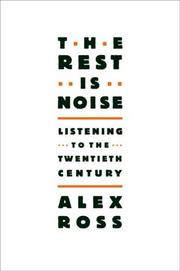
Begin with Analog days by Trevor Pinch, the definitive history of the Moog synthesizer and the moment music went electronic. Synthesizer Evolution by Oli Freke maps the instruments that followed, giving you the hardware family tree. For the wider context of twentieth-century sound experimentation, The Rest Is Noise by Alex Ross places electronic music inside the century's musical upheaval.
Trace the cultural spread
Kraftwerk by Pascal Bussy chronicles the band that turned machines into pop and seeded nearly everything after. How to wreck a nice beach by Dave Tompkins follows the vocoder from war rooms to hip-hop, a wonderfully strange thread through the whole story.
Enter the dancefloor
The DJ and the club reshaped everything. Last night a dj saved my life by Bill Brewster is the essential history of DJ culture, and Energy Flash by Simon Reynolds is the landmark chronicle of rave and its many offspring. Rave On by Jonathan Fleming captures the scene from inside as it exploded.
Reach the visions and legacies
Techno rebels by Dan Sicko tells the story of Detroit techno and the Black futurism at its root, and Afrofuturism by Kodwo Eshun expands that into the broader sonic imagination of the African diaspora. Read in this order, the path turns a scattered set of genres into one continuous, human story. Follow the full path to hear the whole lineage.
Follow the full reading path →
Ready to learn something deeply?
Build a reading path — free